






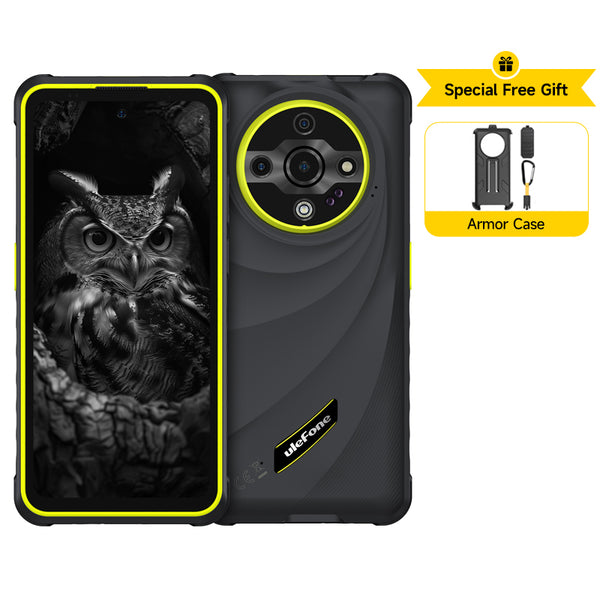
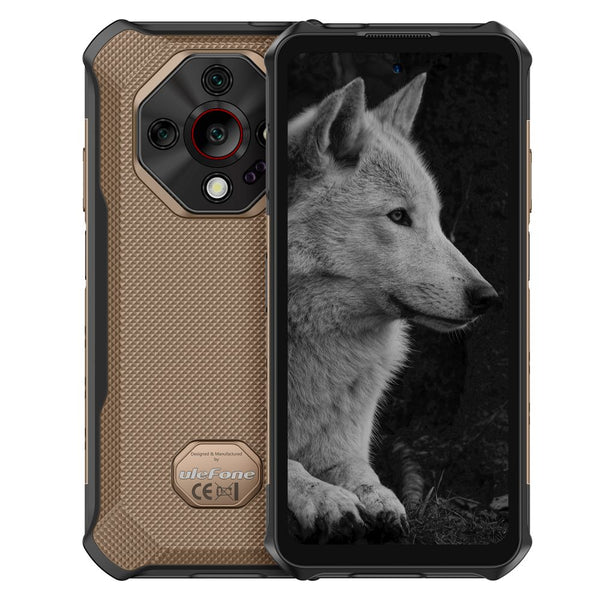
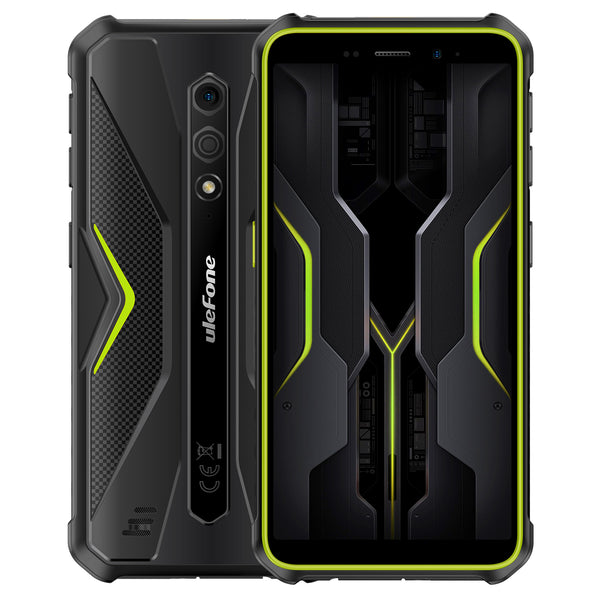
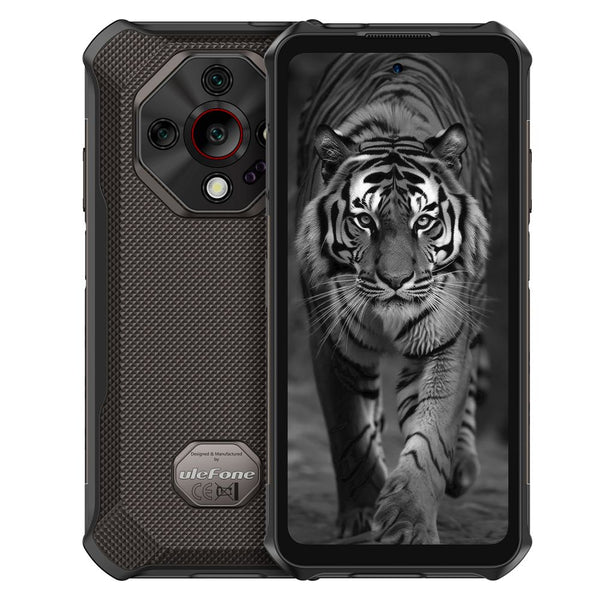










You know the moment. The phone slips out of your hand on the driveway, lands screen-down, and there's that one horrible second before you dare to flip it over. With a flagship, that second ends in a cracked screen, a $300 repair, and two days without your phone. With a rugged phone, you pick it up, wipe it off, and keep walking.
I've spent the past few years testing rugged phones alongside normal ones, and I get why people are skeptical. They look chunky. They're not in any flagship commercials. But every time someone actually switches, the reaction is the same: "why didn't I do this sooner." So let me explain what a tough phone really is, where it saves you, and how to pick one without overthinking it.
What a Rugged Phone Actually Is
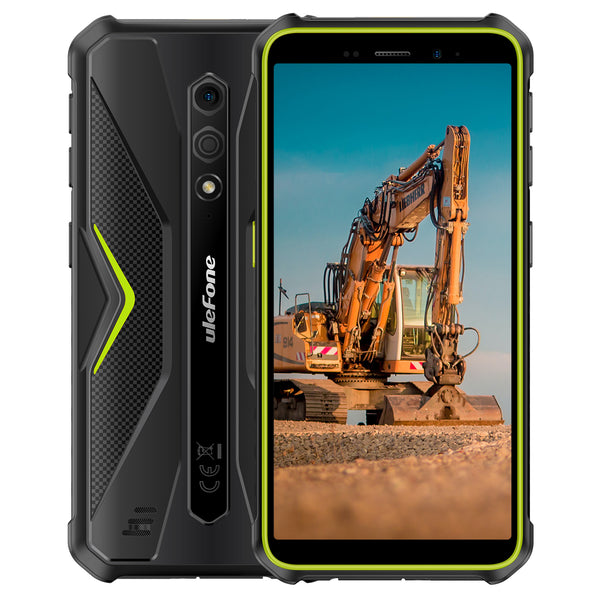
Let's start with what it's not. A rugged smartphone isn't a normal phone squeezed into a thicker case. The whole thing is built differently — the frame is reinforced, the corners are armored, the glass sits behind raised bezels so it doesn't hit the ground first. Drop it from a table, a ladder, a truck bed, and the phone shrugs it off in a way a slim flagship just doesn't.
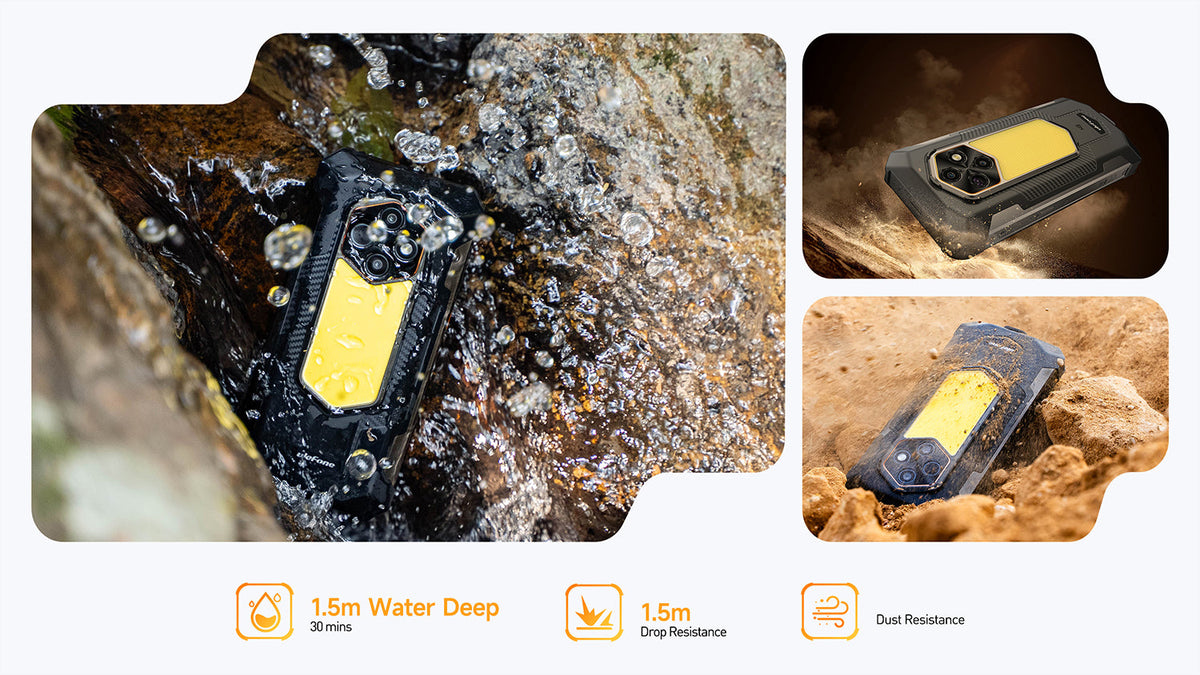
Then there's the sealing. Dust, rain, mud, spray from a pressure washer — none of it gets inside. You'll see ratings like IP68 or IP69K in the spec sheet, and that's a real thing: these phones are tested to keep water and dust out under defined conditions. I'm not going to turn this into a standards lecture — the short version is that they handle weather and dirt that would kill a normal phone.
And the part most people don't expect: battery. Rugged phones routinely carry two or three times the battery of a flagship, because they're built for people who can't charge at lunch. That single fact changes how you use the phone more than anything else.
The honest trade-off is weight. A rugged phone is thicker and heavier — 400g in a pocket is noticeable. But you stop worrying about your phone in a way that's genuinely hard to explain until you've lived with one for a week.

Where a Tough Phone Earns Its Keep
Talk to anyone who actually uses one and the same stories come up over and over.
I know a guy who runs an electrical contracting crew. His phone lives in a holster on his belt, gets dropped onto concrete at least a couple times a month, and has been hosed down with mud more than once. His last normal phone died in eight months. His rugged phone is three years old and still going.
Farmers, dock workers, roofers, people who work outdoors — they all tell the same story. It's not that they're careless. It's that their phone lives in the same environment they do, and a normal phone isn't built for that.
Then there's the long day. A 12-hour shift, a weekend hike, a road trip where the nearest outlet is a gas station two hours away. With 10,000mAh or more, you stop planning your day around charging. You just use the phone and charge it when you get home, or whenever you get around to it.
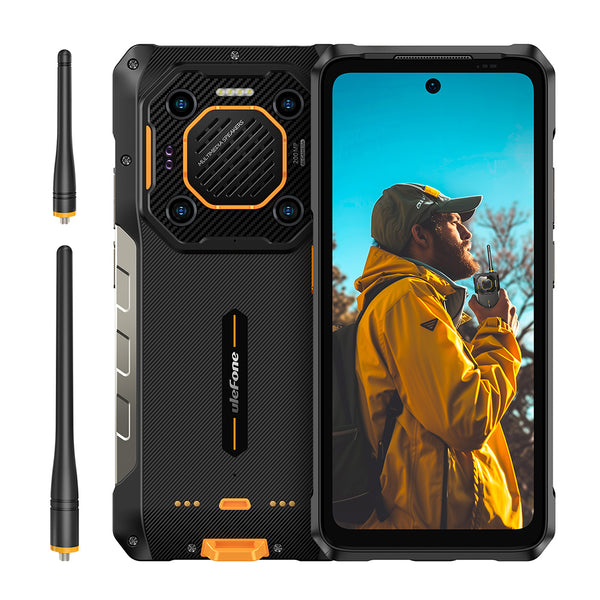
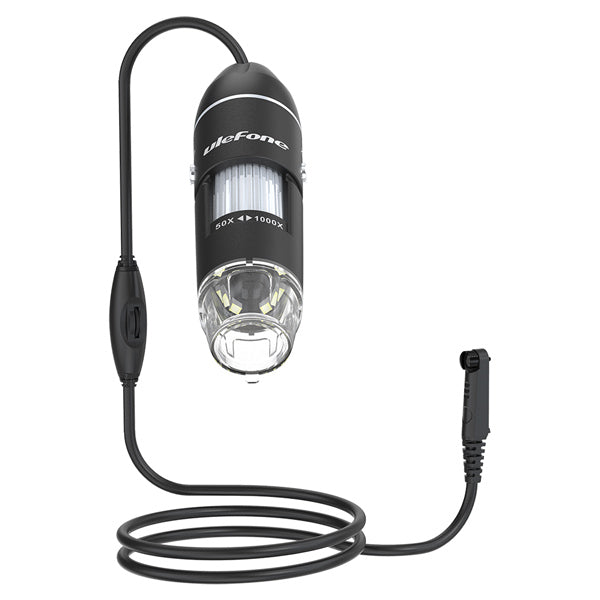
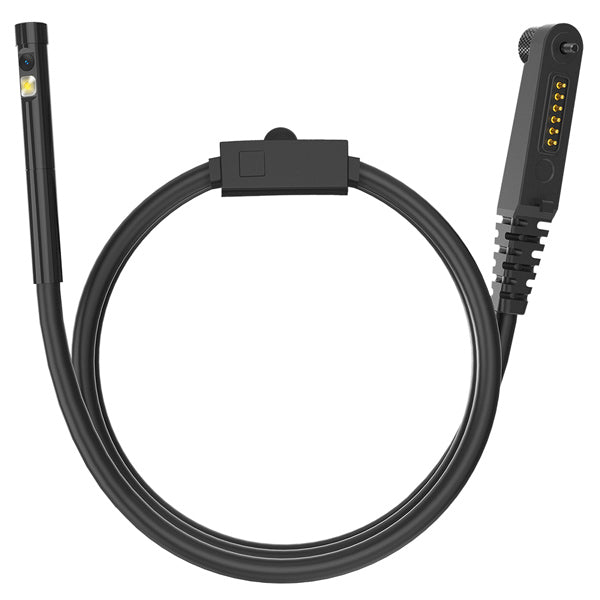
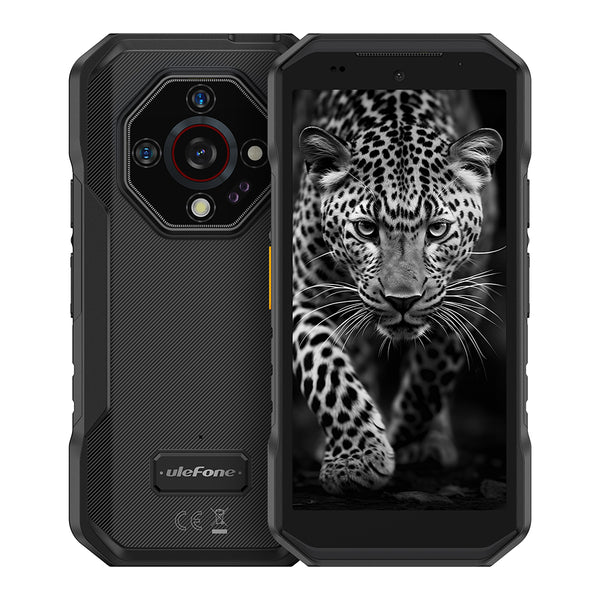
And here's the part nobody mentions in reviews: the field tools. A lot of rugged phones carry things flagships simply don't — a proper LED light that can light up a dark room, an IR blaster for hotel TVs and AC units, a custom button you can set to open the flashlight or camera, and on the higher-end ones, night vision or a thermal camera. On a job, that's the difference between carrying one device and carrying three.

What to Check Before You Buy
If you're comparing rugged mobile phones, don't overthink it. Four things decide it for most people.
Battery first. This is the number that matters most in real life. Anything at 10,000mAh and up means you're charging every few days instead of every night; the 20,000mAh-plus models are in a different league entirely. Pair it with fast charging so a short stop actually tops you up.
Protection rating second. Go for the highest dust-and-water rating and military-standard drop testing you can find, and remember the rating is based on test conditions — treat the phone sensibly and it'll repay you.
Performance third, and don't assume rugged means slow. Current rugged phones run proper mid-range chips, and a bright screen matters a lot if you work outside. 600 nits is fine; 2,000-plus nits is genuinely visible in full sun.
Field extras last. A loud speaker, a night-vision camera, a thermal sensor, an LED light, a programmable button — only pay for the ones you'd actually use.
Two Ulefone Models That Keep Coming Up
Ulefone builds a whole lineup of rugged phones, and over the past year two models keep getting recommended back to me by people who bought them.
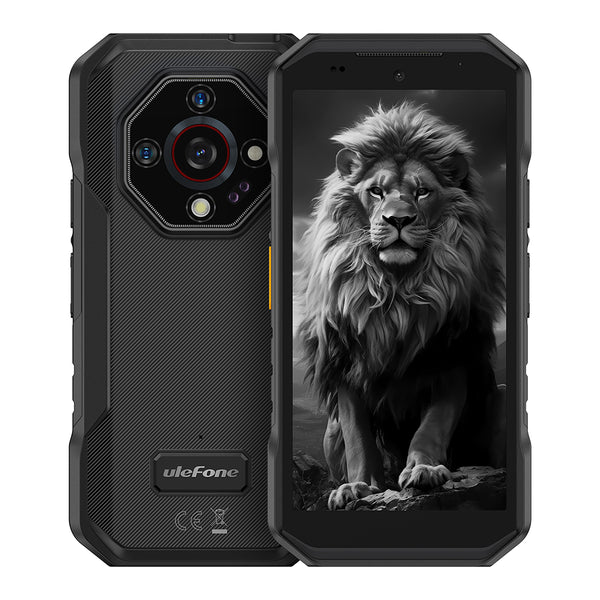
**The big one: Armor 34 Pro+.** The Armor 34 Pro+ is what you pick when you want the biggest battery and every field feature in one box. A 25,500mAh battery is the biggest you'll find on a phone — serious endurance that lets you stop planning your day around charging. It also has a 1100-lumen LED on the back that doubles as a work light, a 98dB speaker that cuts through site noise, a built-in DLP projector for downtime, plus IP68/IP69K sealing, MIL-STD-810H certification, a Dimensity 7400X chipset and 16GB of RAM. It's heavy — 825g, no way around it — but you're not carrying a phone, you're carrying a toolbox.
**The easy one: Armor X16 Pro.** Most people don't need 25,500mAh. The Armor X16 Pro keeps the full rugged package — IP68/IP69K, MIL-STD-810H, 5G, Android 15, night-vision camera — in a 394.5g body with a 10,360mAh battery and 33W charging. That's the balance most people actually want: real protection and multi-day endurance without carrying a brick. If you're moving from a fragile phone to your first tough phone, this is the one that makes the switch painless.
How They Compare With the Alternatives
Worth a quick look at what else is out there, because "rugged phone" covers a lot of ground:
|
Model |
Battery |
Charging |
Weight |
Protection |
Standout Feature |
|
Ulefone Armor 34 Pro+ |
25,500mAh |
66W |
825g |
IP68/IP69K, MIL-STD-810H |
1100-lumen LED + DLP projector |
|
Ulefone Armor X16 Pro |
10,360mAh |
33W |
394.5g |
IP68/IP69K, MIL-STD-810H |
Budget 5G rugged phone |
|
Samsung Galaxy XCover 6 Pro |
4,050mAh |
15W |
\~235g |
IP68, MIL-STD-810H |
Replaceable battery |
|
Blackview BV9300 Pro |
15,080mAh |
33W |
525g |
IP68/IP69K, MIL-STD-810H |
Big battery, big display |
The XCover 6 Pro is lighter and fits a normal pocket, but 4,050mAh means daily charging — it's a rugged-shaped normal phone. The Blackview brings a big battery but weighs 525g. The two Ulefone picks hit the balance most buyers actually want: everything-and-the-kitchen-sink if you take the Armor 34 Pro+, or full protection without the bulk if you take the X16 Pro.
A Few Questions People Actually Ask
**Are rugged phones slow?** Not anymore. Mid-range chips are the norm in this category now — the Armor 34 Pro+ runs a Dimensity 7400X with 16GB of RAM, and even the lighter X16 Pro handles daily apps, navigation, and camera work without complaint.
**How long does the battery really last?** Depends on the model and your usage, so I won't promise specific days. What I can tell you is that a 10,000mAh phone like the X16 Pro comfortably gets you through a long weekend without a charger, and the 25,500mAh Armor 34 Pro+ is in another league entirely. The pattern is the point: you stop thinking about chargers.
**Do I need one if I never drop my phone?** Honestly, maybe not. If your phone never hits hard surfaces and never sees weather, a normal phone is fine and lighter. The moment drops, dust, water, or long days enter your routine, a tough phone stops being a luxury and starts being the sensible choice.
**What's the actual catch?** Size and weight. That's physics — protection and battery have to go somewhere. The trade is that it survives what a flagship can't, and for anyone who's killed a phone on a job or a trip, that's an easy trade to make.
So, Should You Get One?
Here's my honest take. A rugged phone isn't a downgrade from a flagship — it's a different tool for a different life. If your days involve drops, weather, long hours, or outdoor work, a tough phone like the Armor 34 Pro+ or the lighter Armor X16 Pro will outlast a fragile flagship by years — and pay for itself the first time it hits the ground and keeps working.


Dejar un comentario
Todos los comentarios se revisan antes de su publicación.
Este sitio está protegido por hCaptcha y se aplican la Política de privacidad de hCaptcha y los Términos del servicio.