


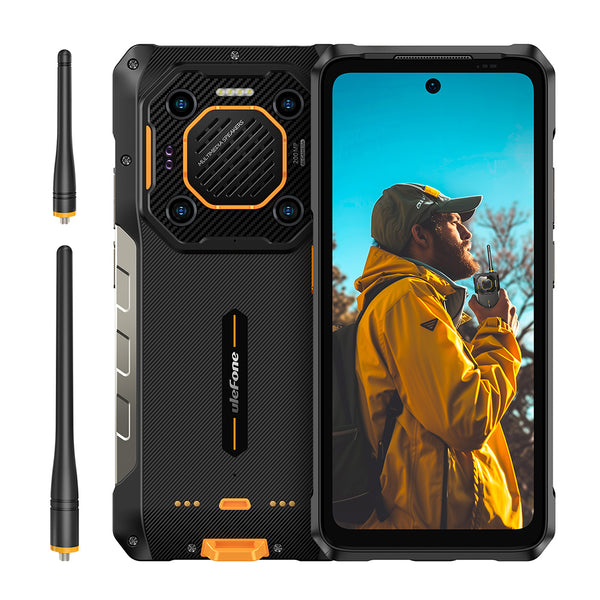




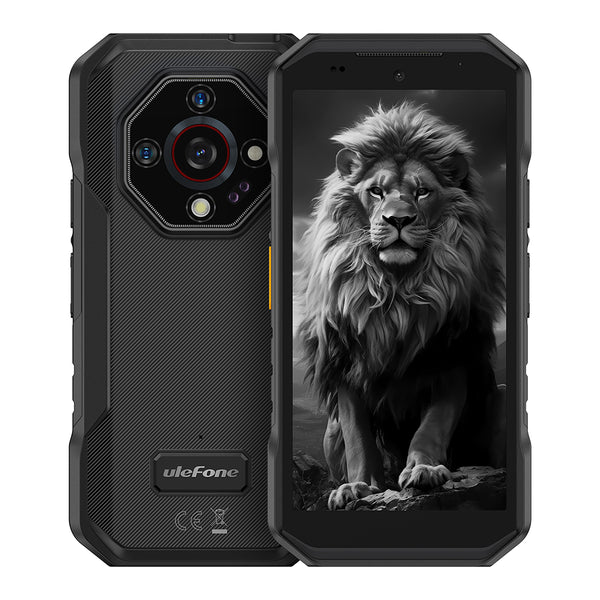
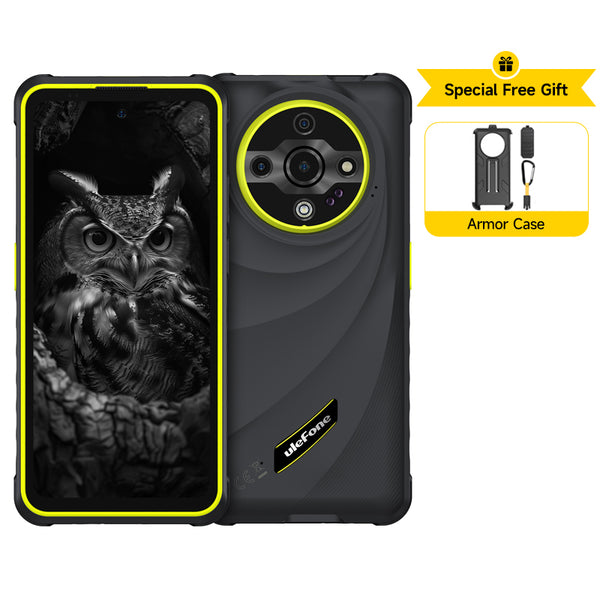
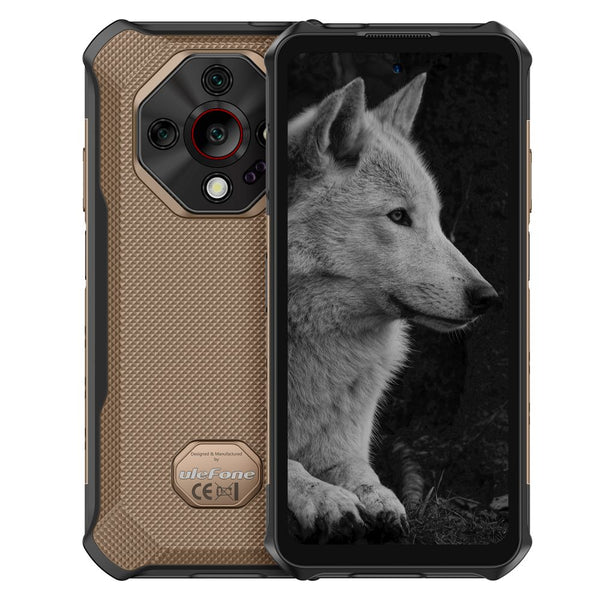
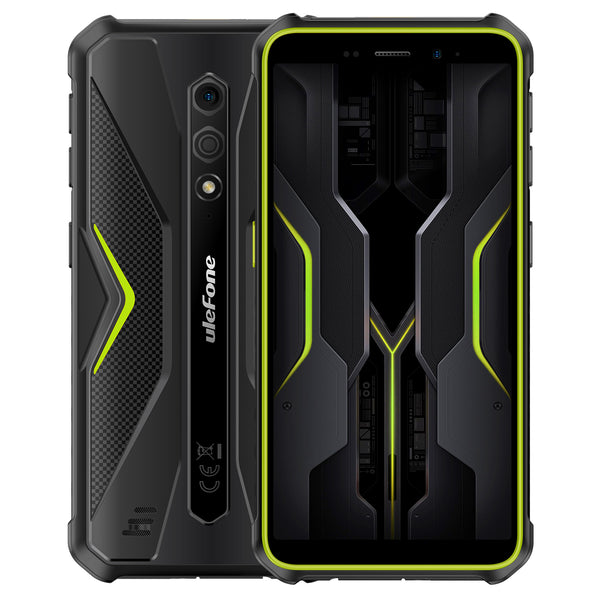
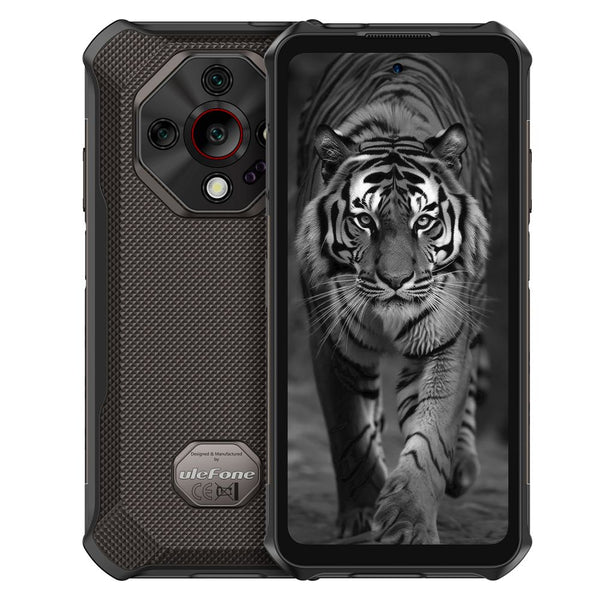










There's a myth that rugged phones are expensive. Flip through the specs of an Armor 28 Ultra or an 8849 Tank and sure, the top of the range runs to $700-plus. But the category has quietly changed. Right now you can buy a genuinely tough phone — IP68/IP69K sealed, MIL-STD-810H certified, with a battery that lasts for days — for about the same money as a mid-range Samsung.
I've been testing cheap rugged smartphones for a while now, and the honest headline is this: the $350 tier is where the value lives. You don't get the flagship camera or the 120W charging. You do get the protection, the battery, and the field features that are the whole point of buying rugged in the first place. Here's what to look for, and the two models I'd actually spend my own money on.
What a $350 Rugged Phone Does and Doesn't Get You
Let's be straight about the trade-offs, because every review that skips this part is doing you a disservice.
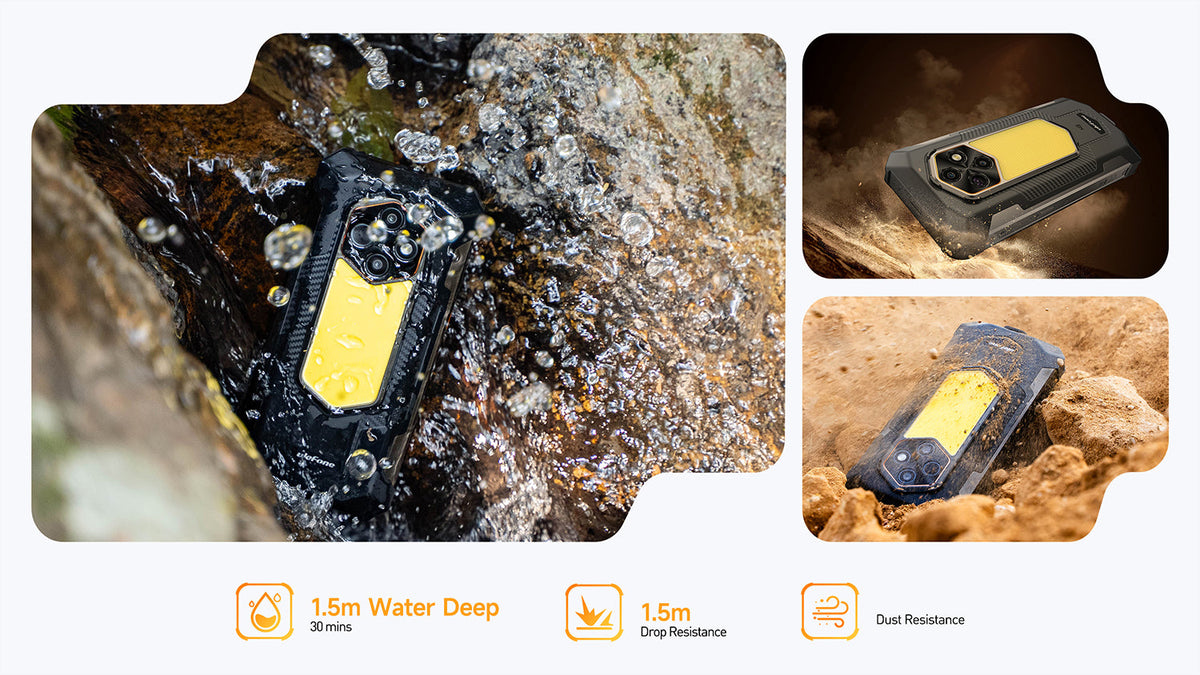
**You get the protection.** This is the non-negotiable core, and the budget tier doesn't cheap out here. A cheap rugged smartphone at this price still carries IP68/IP69K dust and water resistance and MIL-STD-810H drop certification — the same ratings as the flagship rugged phones. Rain, mud, drops onto concrete: handled.
**You get a serious battery.** 10,000mAh is the baseline in this tier, and it goes up from there. Compare that with a flagship's 4,000-5,000mAh and you'll quickly see why people switch.
**You get field extras.** Night-vision cameras, bright LED lights, programmable buttons — these show up in budget rugged phones far more often than in flagships at any price.
**What you give up.** The chip won't beat a flagship in benchmarks, though it'll handle daily apps and navigation without complaint. The main camera is good rather than great. And the phones are heavy — that's the price of the battery and armor. If you need a 1-inch camera sensor or a 120W charge, you'll need to look above this tier. If you need a phone that survives your actual life, you won't.

What to Check When You're Buying on a Budget
When you're comparing rugged budget smartphones, keep the checklist short.
Battery first, always. Look at the mAh number before anything else — it's the spec that shapes your day more than any other. Anything 10,000mAh and up is fine; 20,000mAh is a different lifestyle.
Protection next. Confirm IP68/IP69K and MIL-STD-810H, then treat the phone sensibly — ratings describe test conditions, not magic armor.
Performance third. You don't need a flagship chip, but you do want a recent Android version and enough RAM that the phone doesn't choke on normal use. 8GB is the floor I'd accept; more is better.
Extras last, and only ones you'd use. A night-vision camera earns its keep if you work or camp after dark. A proper LED light is worth more than any spec sheet suggests. A custom button that opens the flashlight is the sort of thing you don't appreciate until you need it in a hurry.

Two Ulefone Budget Rugged Phones Worth Your Money
Ulefone has been making rugged phones for 16 years and their mid-range lineup is where I keep coming back. Two models, two different answers to the same question.
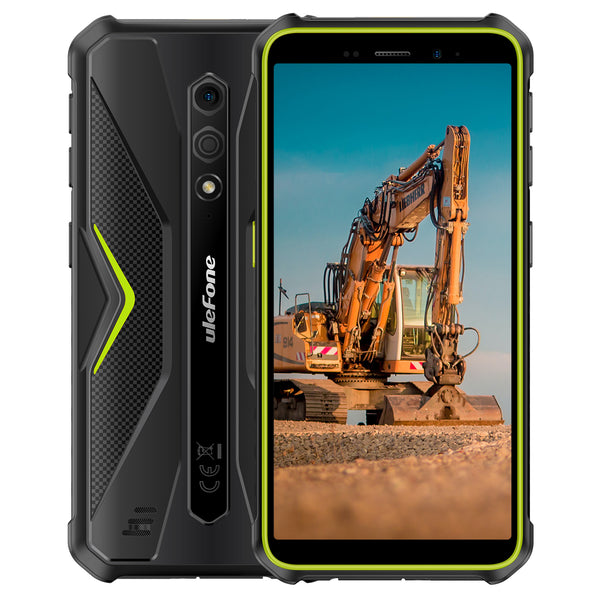
**Armor X16 Pro — the all-rounder.** At $319.99, the Armor X16 Pro is the cheap rugged smartphone I recommend most often. It's the full package in a manageable size: IP68/IP69K and MIL-STD-810H, a 10,360mAh battery with 33W PD charging, Android 15, and a 6.56-inch 120Hz display that hits 910 nits — bright enough to read outside. Under the hood is a Dimensity 6300 5G chip with 16GB of RAM (8+8), 256GB of storage, and a 64MP Sony main camera plus a 25MP night-vision camera for pitch-black conditions. At 394.5g it's the lighter end of the rugged spectrum, which makes it the easiest budget rugged smartphone to carry every day.
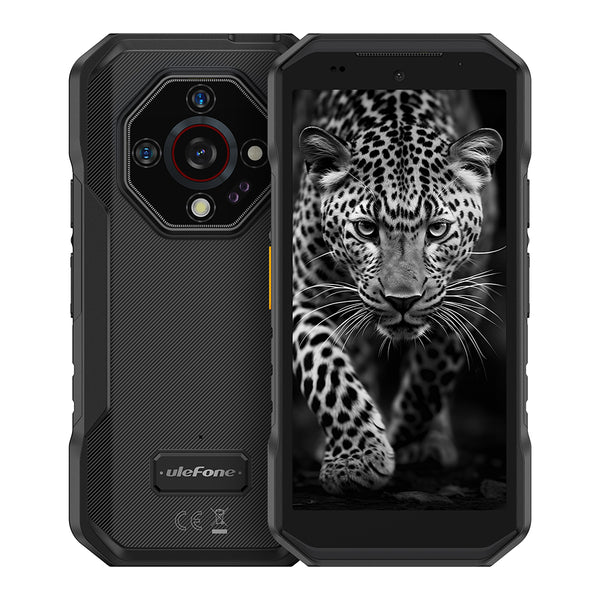
**RugKing 5 Pro — the battery monster.** If your day is defined by being away from power, the RugKing 5 Pro at $299.99 is the one. It packs a 20,000mAh battery — double what most rugged phones offer — with 33W charging, and a 976-lumen LED light on the back that genuinely works as a work light or campsite lamp. The 6.78-inch display hits 910 nits, the phone runs Android 16 with 16GB (8+8) RAM and 256GB of storage, and the 64MP camera is joined by a 20MP night-vision camera. It's 4G rather than 5G, and it's heavier at 629g — but for anyone who works, camps, or drives long days, that battery makes it the easiest phone decision you'll make all year. It's also the rugged budget smartphone that keeps surprising me with how much it includes for the price.
How They Compare With the Rest of the Budget Field
A quick table, because "budget" covers a lot of ground and the numbers make the difference obvious:
|
Model |
Battery |
Charging |
Weight |
Price |
Standout Feature |
|
Ulefone Armor X16 Pro |
10,360mAh |
33W |
394.5g |
$319.99 |
5G + night vision |
|
Ulefone RugKing 5 Pro |
20,000mAh |
33W |
629g |
$299.99 |
976-lumen LED, huge battery |
|
OUKITEL WP56 5G |
16,000mAh |
45W |
524g |
$329.99 |
128dB speaker + camping light |
|
Blackview BV7300 |
15,000mAh |
45W |
528g |
$347.99 |
Night vision + camping light |
The OUKITEL WP56 5G packs a 16,000mAh battery with 45W charging and a 128dB speaker for $329.99, and the Blackview BV7300 pairs 15,000mAh with night vision at $347.99 — both solid alternatives in the same price band. For the money, the Ulefone pair is still the sweet spot: X16 Pro if you want 5G and a lighter carry, RugKing 5 Pro if you want the biggest battery in the category at the lowest price.
Questions People Ask Before Buying
**Are cheap rugged smartphones actually durable, or do you pay for the name?** The ratings don't lie — IP68/IP69K and MIL-STD-810H are the same standards regardless of price. At $350 you're not buying less protection; you're buying an older chip and a simpler camera instead of a flagship one.
**Is a budget rugged phone slow?** No. The Dimensity 6300 in the X16 Pro and the octa-core in the RugKing 5 Pro handle everyday apps, streaming, navigation, and camera work fine. You'll notice the difference in heavy gaming, not in daily use.
**How long does a 20,000mAh battery really last?** I won't quote specific days because real usage varies wildly, but the pattern is clear: a 10,000mAh phone gets you through a long weekend, and 20,000mAh stretches that far beyond. The point of the category is that you stop planning your day around chargers.
**What's the catch?** Weight, mostly — 400-630g is a different pocket experience than a slim flagship. And if you want the very best camera or the fastest charging on the market, you're shopping above this tier. For protection, battery, and the core rugged experience, $350 is genuinely enough.
The Short Version
You don't need to spend flagship money to get a real rugged phone. A budget rugged smartphone like the Armor X16 Pro or the RugKing 5 Pro gives you the same protection, a battery that changes how you plan your day, and the night-vision and light features that make these phones genuinely useful — for less than the price of a mid-range flagship. If you've been putting off the switch because you assumed rugged meant expensive, that assumption is the only thing you need to drop.


Dejar un comentario
Todos los comentarios se revisan antes de su publicación.
Este sitio está protegido por hCaptcha y se aplican la Política de privacidad de hCaptcha y los Términos del servicio.