






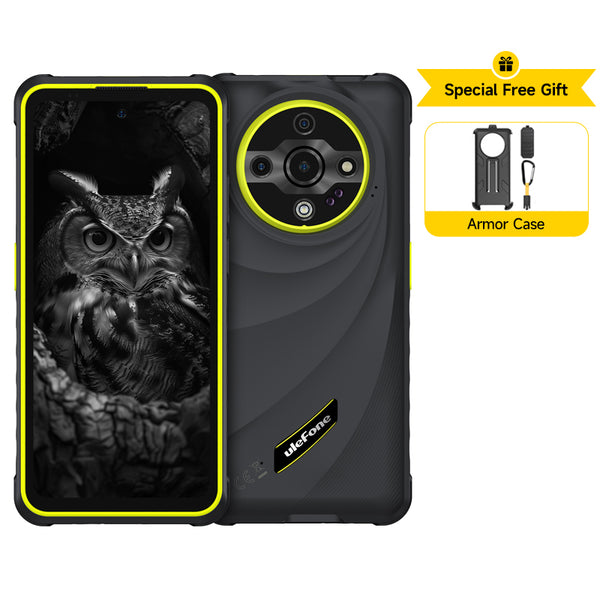
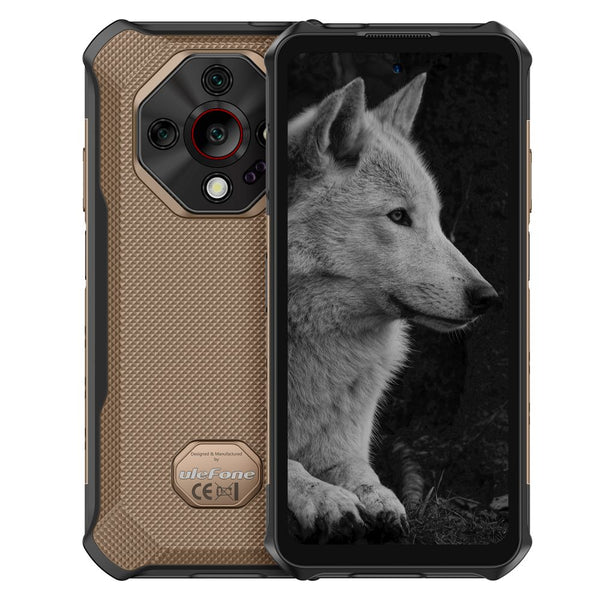
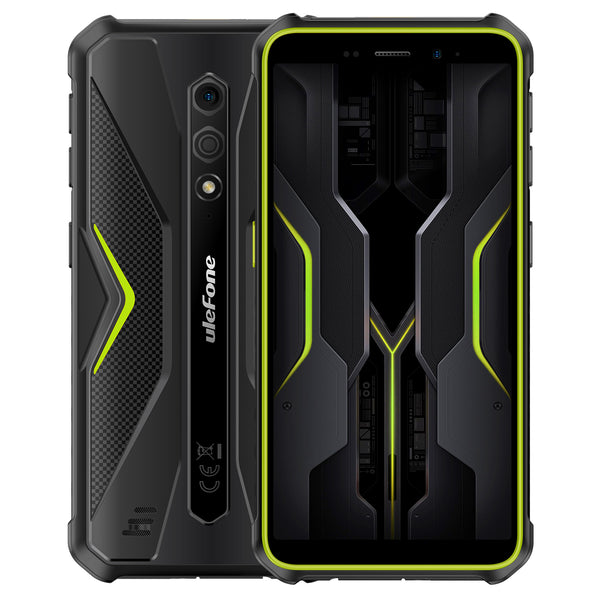
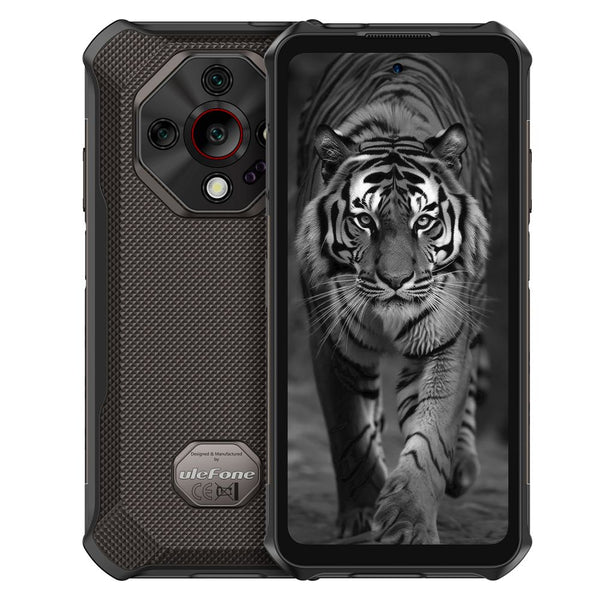










Ask anyone about the best camera phone in 2026 and the answer is always the same three names: the Galaxy S26 Ultra, the iPhone 16 Pro Max, and the Pixel 10 Pro. They're excellent, and they deserve the hype. But they share two weaknesses nobody talks about: they cost $1,000+, and they crack the first time you drop them on a job site.
This guide does two things: it lays out exactly what those flagship camera systems deliver (so you can decide if you need them), and it looks at what the rugged segment now offers — because one rugged phone, the Ulefone Armor 28 Pro, quietly punches above its weight for outdoor and work photography.
What the Flagship Camera Phones Actually Offer
If you compare camera specs the way TechRadar and The Verge do — sensor size, aperture, focal length, not just megapixels — here's what the 2026 top three bring:
|
Model |
Main Camera |
Main Sensor |
Telephoto |
Ultra-Wide |
Front Camera |
|
Samsung Galaxy S26 Ultra |
200MP |
1/1.3", f/1.4, 23mm |
50MP 5x + 10MP 3x |
50MP, 120° |
12MP |
|
Apple iPhone 16 Pro Max |
48MP |
1/1.28", f/1.78 |
12MP 5x |
12MP |
12MP TrueDepth |
|
Google Pixel 10 Pro |
50MP |
Large main sensor |
48MP periscope |
48MP ultrawide |
— |
|
Ulefone Armor 28 Pro |
50MP |
Sony IMX989 1-inch, f/1.8 |
|
50MP Samsung JN1 |
16MP |
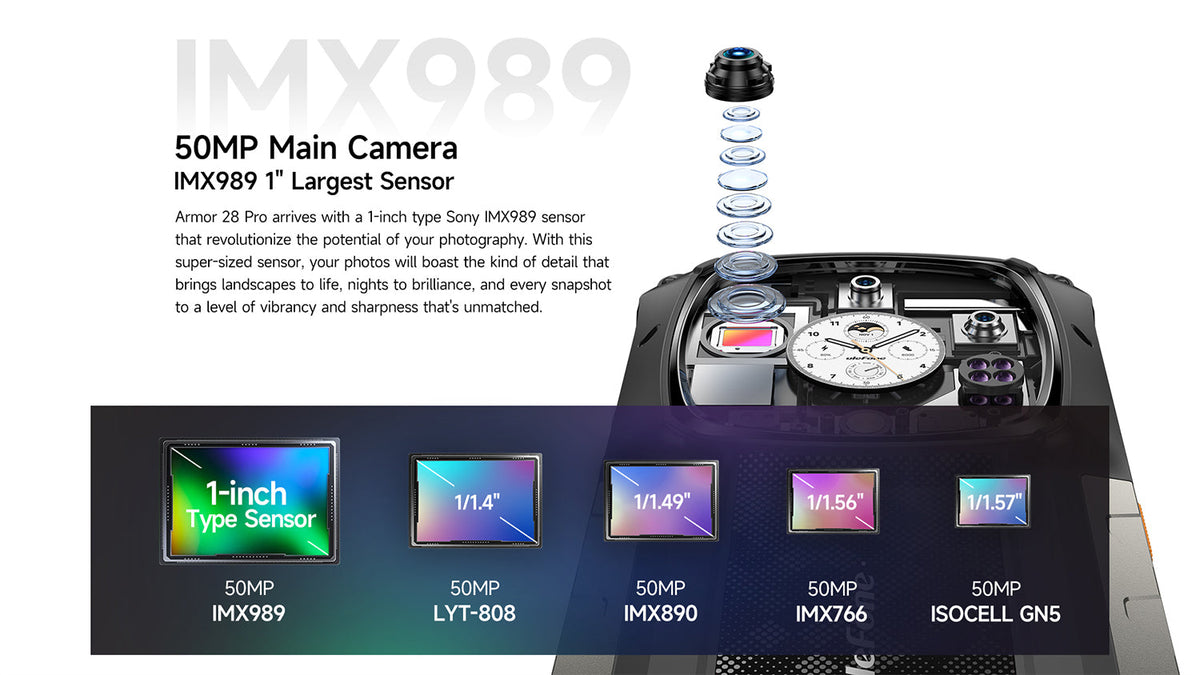
Read that table carefully. The Galaxy S26 Ultra wins on zoom (two telephoto lenses), the iPhone wins on video processing and color consistency, the Pixel wins on computational photography. But look at the main sensor column: the Armor 28 Pro's Sony IMX989 is a 1-inch sensor — physically larger than the main sensor in all three flagships. In low light, larger sensor wins. That's physics.


What That 1-Inch Sensor Means in Real Photos
Sensor size matters most in two situations: low light and depth of field.
**Low light.** A 1-inch sensor collects roughly twice the light of a 1/1.28" sensor (the iPhone 16 Pro Max main). On a job site at dusk, in a dim warehouse, or at a kid's evening soccer game, that difference is the difference between a clean photo and a noisy brown mess. The Armor 28 Pro's 50MP shots in evening light keep detail in shadows without the smeary AI sharpening flagships lean on.
**Depth of field.** The 1-inch sensor also gives you natural background blur for portraits without relying purely on software simulation. Site documentation, product photos, candid family shots — all look more natural.
**Video.** The Armor 28 Pro records up to 8K. It's not a cinema rig, but stabilization is solid and the big sensor keeps evening footage watchable. For site walkthroughs, equipment checks, or social clips, it's genuinely good.
Where the flagships still win: true optical zoom (the Armor 28 Pro has no telephoto lens), and the AI processing magic that makes a quick snapshot look like a finished photo. If you zoom in on distant wildlife or buildings, pick the Galaxy. If you shoot close, wide, and in mixed light, the rugged competes.

The Best Camera Phone Android Buyers Overlook
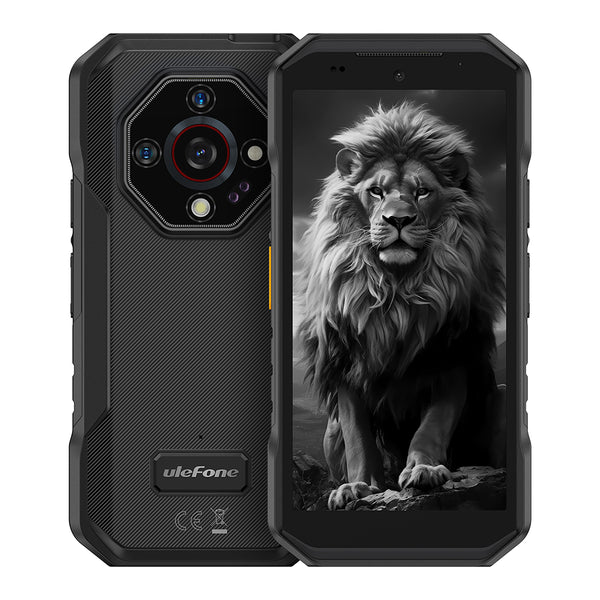
Most "best camera phone Android" listicles never mention a rugged phone. That's because they test in studios and on streets, not on job sites. The Armor 28 Pro pairs that 1-inch sensor with:
- A **50MP ultrawide** (Samsung JN1, 117°) for wide site shots and architecture
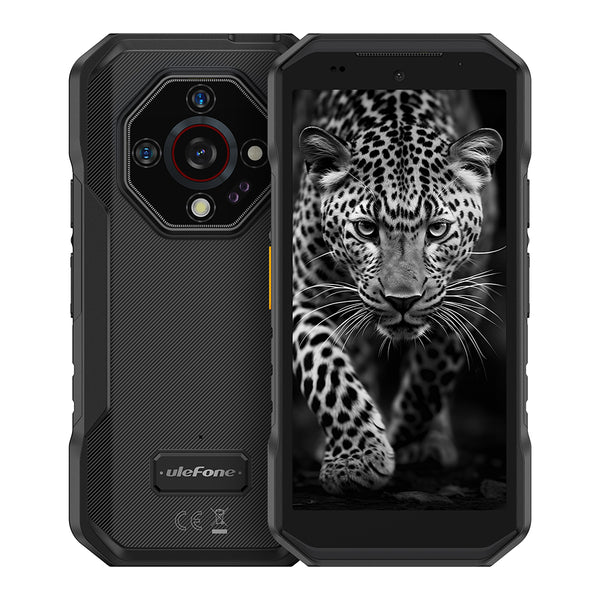
- A **64MP night-vision camera** for dark interiors, crawl spaces, and evening inspections
- A **6.67-inch 120Hz AMOLED** main display plus a secondary rear display — useful for framing selfies and checking shots at a glance
- A **10,600mAh battery** with 120W wired and 50W wireless charging — you can shoot all day and top up in minutes
And the part no flagship offers: it's IP68/IP69K and MIL-STD-810H rated. Rain, dust, and a drop on concrete don't end your photography. At about 450g it's heavier than a slim flagship, but the trade is a camera you don't have to baby.
A real-world example: a dimly lit wiring panel at 6 p.m. My old flagship produced brown noise. The Armor 28 Pro pulled a shot sharp enough to zoom into the breaker label. That's the difference a 1-inch sensor makes when the light isn't on your side.

If You Want More Power: Armor 28 Ultra
If on-device editing or heavier apps matter, the Armor 28 Ultra keeps the same camera core (IMX989 + 64MP night vision + 50MP ultrawide) and steps up to a faster chipset, 16GB RAM, and 1TB storage. It's the same image quality with more headroom.
Frequently Asked Questions
**Is a 1-inch sensor better than 200MP?** For low light, yes. Megapixels help when you crop deep; a big sensor helps when the scene is dark. The Galaxy's 200MP main is spectacular in daylight, but in evening shots the 1-inch IMX989 keeps up.
**Can a rugged phone really be a best phone for photography?** For outdoor, work, and family use, yes. You lose optical zoom and some AI polish, but gain a camera that survives drops, rain, and all-day shooting. If your photos happen in daylight studios, buy a flagship. If they happen on a job site, buy the rugged.
**Which is better for video — the iPhone or the Armor 28 Pro?** The iPhone still wins for polished color and cinematic modes. The Armor 28 Pro records 8K with solid stabilization and won't die mid-recording from battery stress. For practical filming, it's more than enough.
Final Verdict
The Galaxy S26 Ultra, iPhone 16 Pro Max, and Pixel 10 Pro are outstanding camera phones — for people who baby their phones. If your photography happens outdoors, on site, or anywhere a drop means disaster, the Ulefone Armor 28 Pro delivers flagship-class sensor size in a body that survives the job. It's the best camera phone for anyone who thought they had to choose between great photos and a phone that lasts.


Dejar un comentario
Todos los comentarios se revisan antes de su publicación.
Este sitio está protegido por hCaptcha y se aplican la Política de privacidad de hCaptcha y los Términos del servicio.