






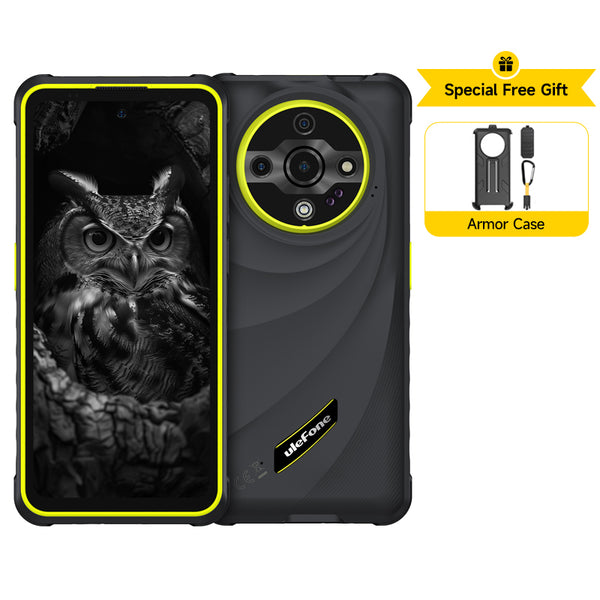
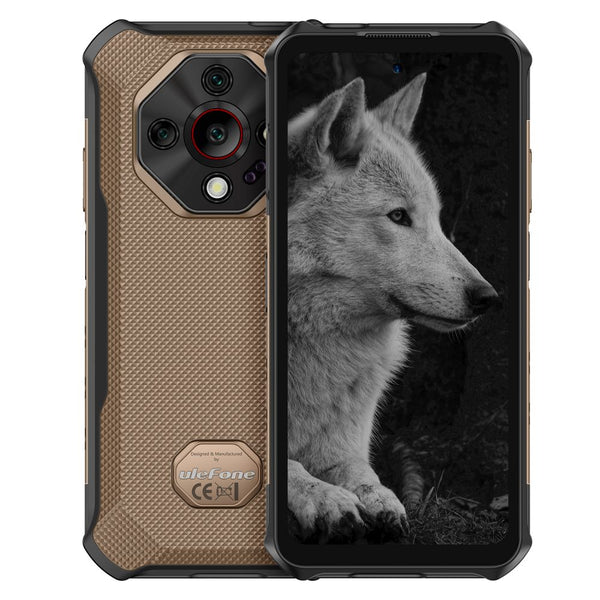
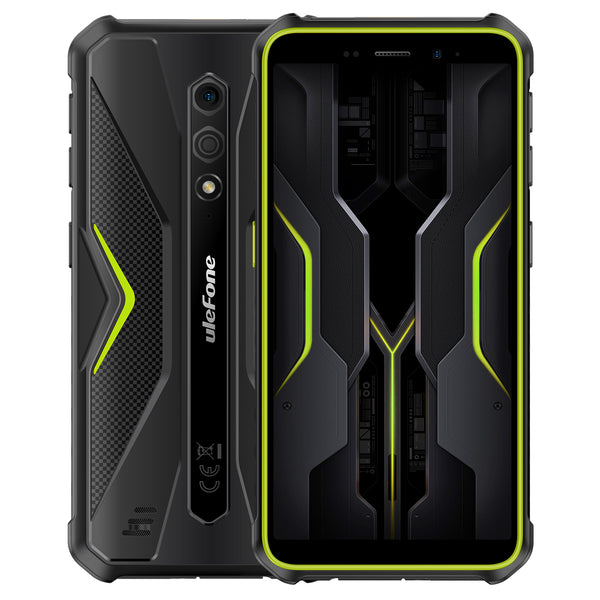
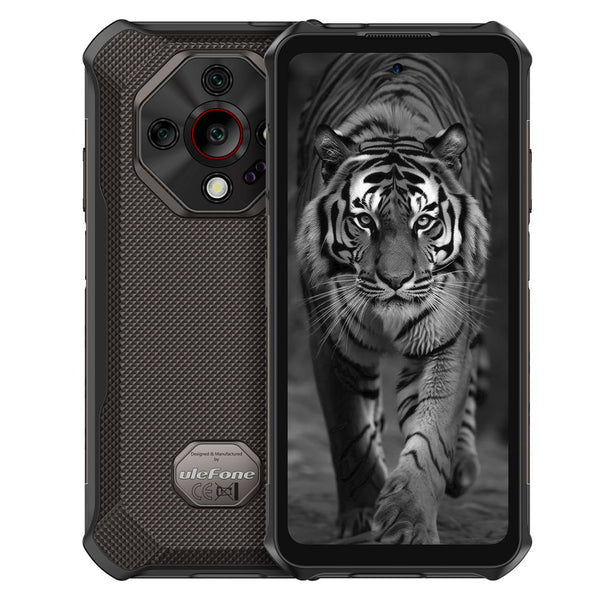










My phone slipped off the roof of my truck on a job site, bounced twice, and landed face-down on gravel. I picked it up, wiped the screen off, and kept working. That was the day I stopped buying "normal" phones. A rugged phone is built to survive what regular phones can't: drops onto concrete, rain-soaked pockets, dust storms, and the thousand small accidents that end a typical smartphone's life. If any of that sounds familiar, this guide walks you through what rugged phones actually are, what to look for when buying one, and which models are worth your money.
What Is a Rugged Phone?
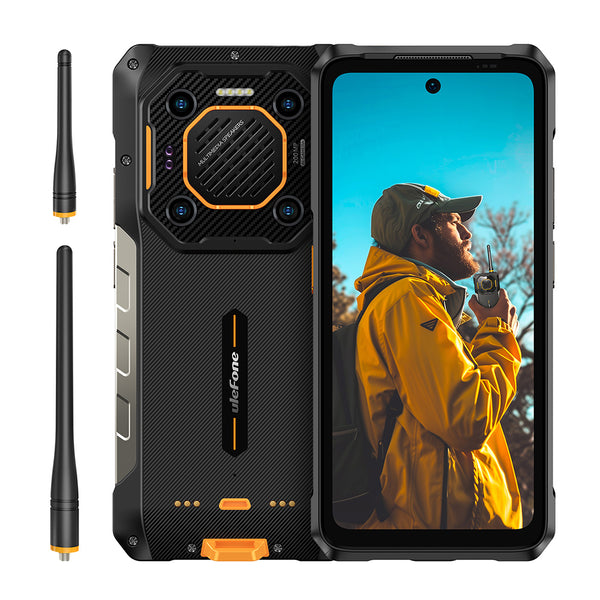
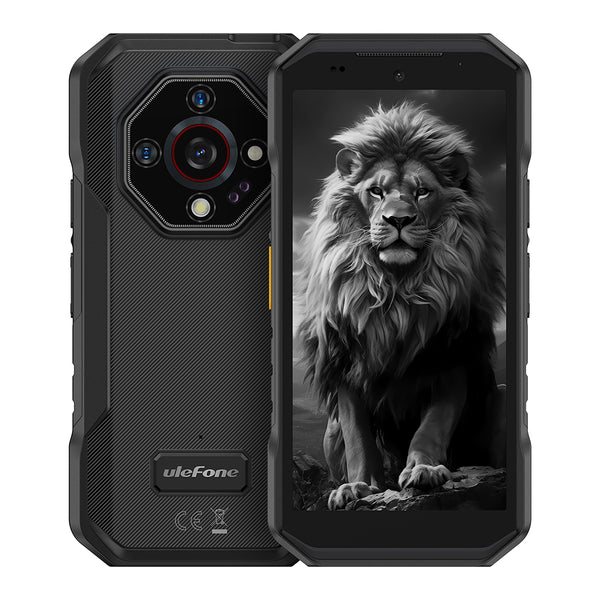
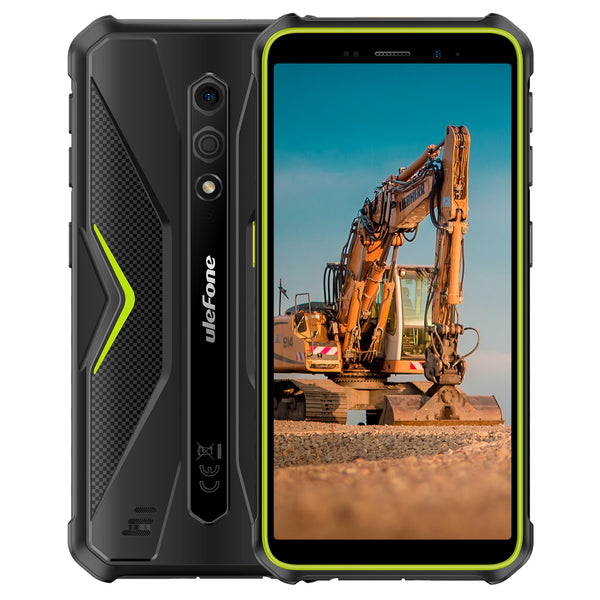
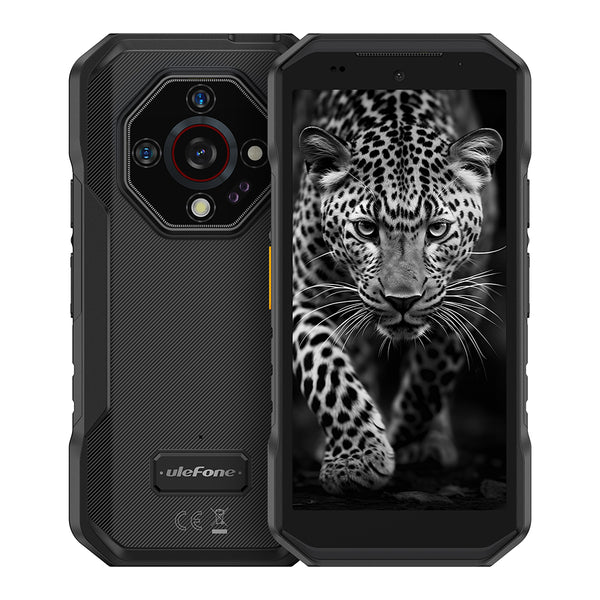
A rugged phone is a durable smartphone engineered from the inside out for harsh environments. Instead of relying on a case, it features reinforced frames, sealed ports, shock-absorbing corners, and tougher glass — protection is built into the body, not bolted on afterward.
A rugged Android phone keeps all the apps, cameras, and features you expect from a modern device, but it adds survival hardware most flagships skip: watertight construction, military-grade drop protection, and batteries sized for days of work rather than hours of scrolling.
The category used to mean slow, bulky, and expensive. That's no longer true. Today's models pack flagship-class chips, 5G connectivity, big batteries, and even built-in projectors — while still surviving the drops that would shatter a standard phone.
Why a Rugged Android Phone Beats a Case
Some people try to make a regular phone rugged by putting a heavy case on it. I've been there, and it doesn't work as well as you'd hope.
Cases add bulk but leave the USB port exposed, muffle the speaker, and trap heat. More importantly, a thick case protects the back and corners — it does nothing for the screen, and drops still crack glass and bend frames. Even a so-called waterproof phone can fail if its seals were never designed for real-world wear. Then there's the battery: the phone itself was never designed for field use, so you're still charging twice a day.
A rugged Android phone solves all of that at the source. Sealed ports mean dust and moisture never get inside. Reinforced frames and raised bezels mean the screen survives impacts. And because the battery is part of the design, you get two, three, or even ten days of use per charge instead of carrying a power bank everywhere.
Who Actually Needs a Rugged Phone?
Rugged phones aren't just for construction sites — though they're certainly perfect for those. The people who get the most out of them fall into a few clear groups:
Field workers. Electricians, surveyors, engineers, and site managers spend their days around dust, water, and dropped tools. A rugged phone that survives a week of real work beats a flagship that dies on day one.
Outdoor enthusiasts. Hikers, campers, overlanders, and fishermen want a phone that survives river crossings and dusty trails without a second thought.
Logistics and delivery crews. Drivers are in and out of vehicles all day, in all weather. Sealed ports and shockproof bodies mean one less thing to worry about between stops.
Emergency and rescue teams. First responders rely on devices that work when conditions are worst — rain, smoke, and debris.
Anyone who drops their phone. Honestly, if you've cracked a screen in the last two years, you're in the target market.
What to Look For in a Rugged Phone
Not all rugged phones are created equal. Here's what actually separates the good ones:
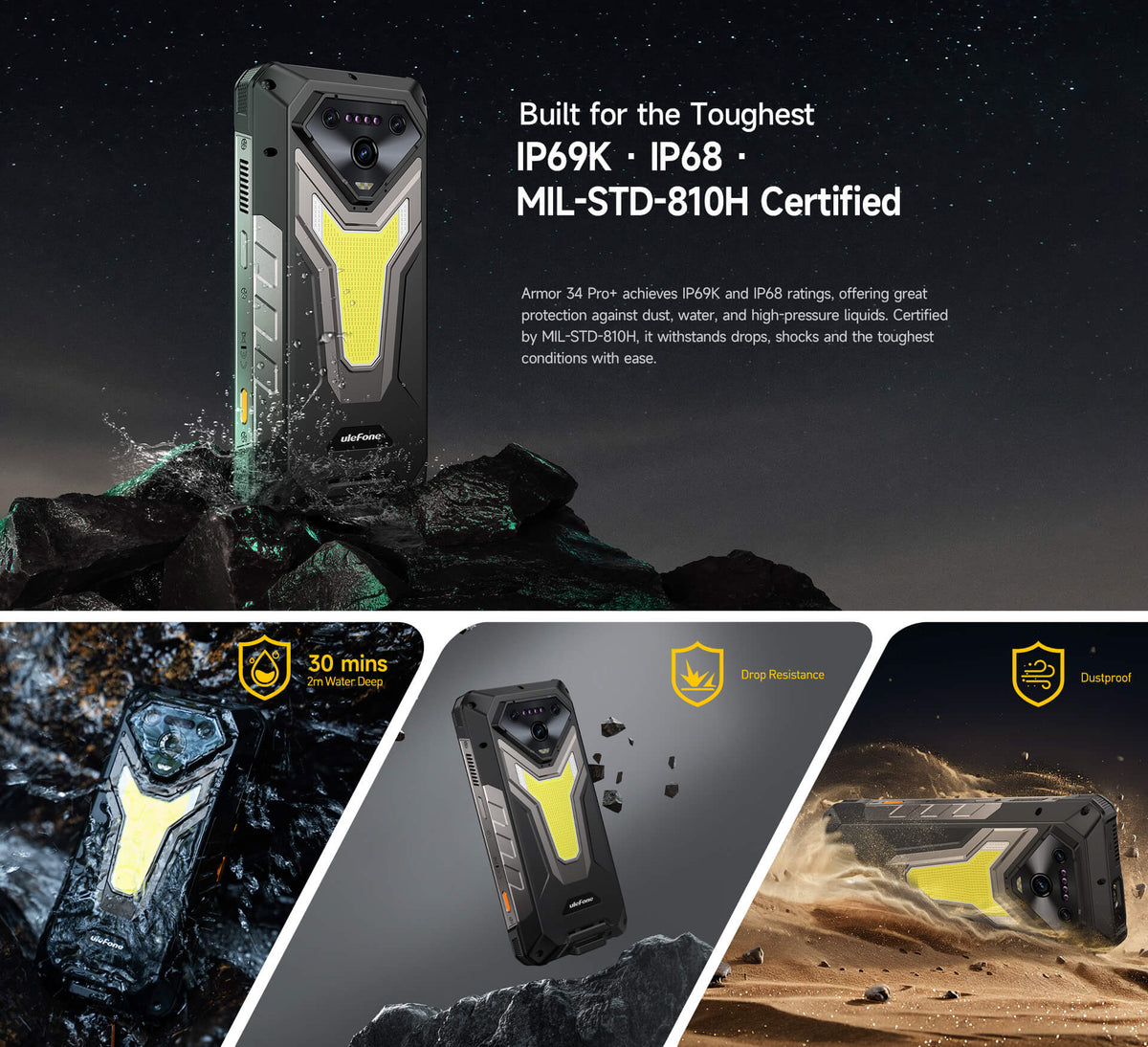
Protection ratings. Look for IP68 or higher plus MIL-STD-810H. IP69K is a genuine bonus for anyone around pressurized water.
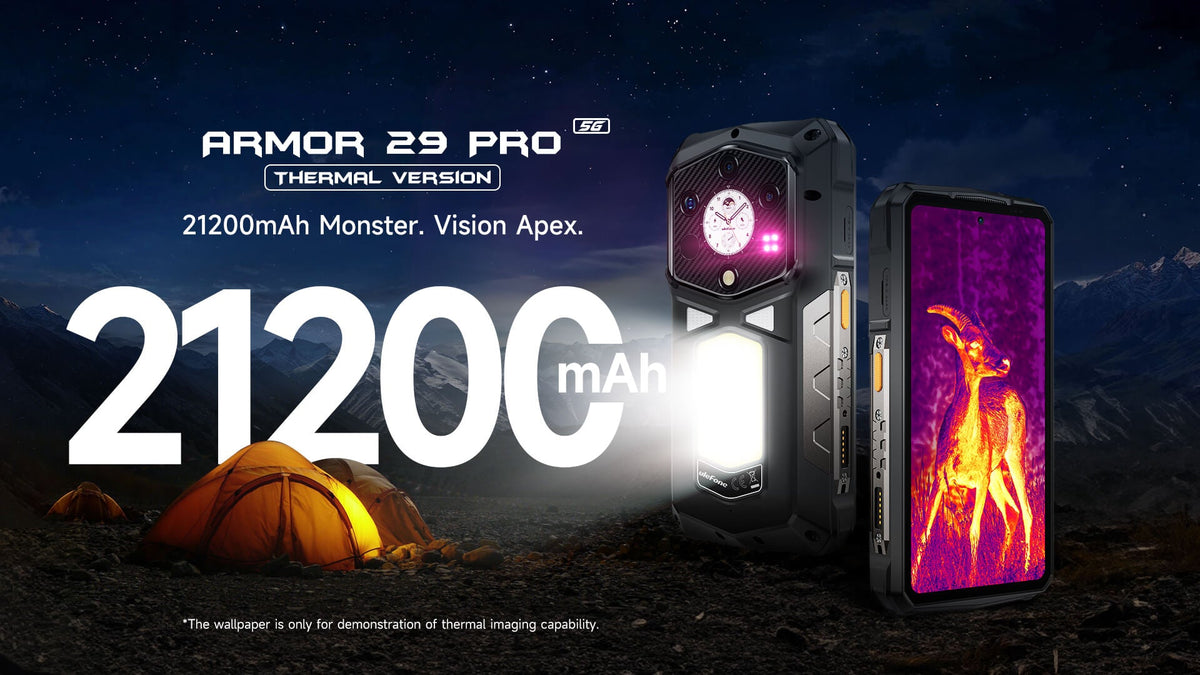
Battery capacity. A 10000mAh+ battery is the sweet spot for multi-day field use. Some models push to 25,500mAh, which can power other devices too.
Screen brightness. Outdoor readability matters. A 600-nit or brighter display stays visible in direct sunlight.
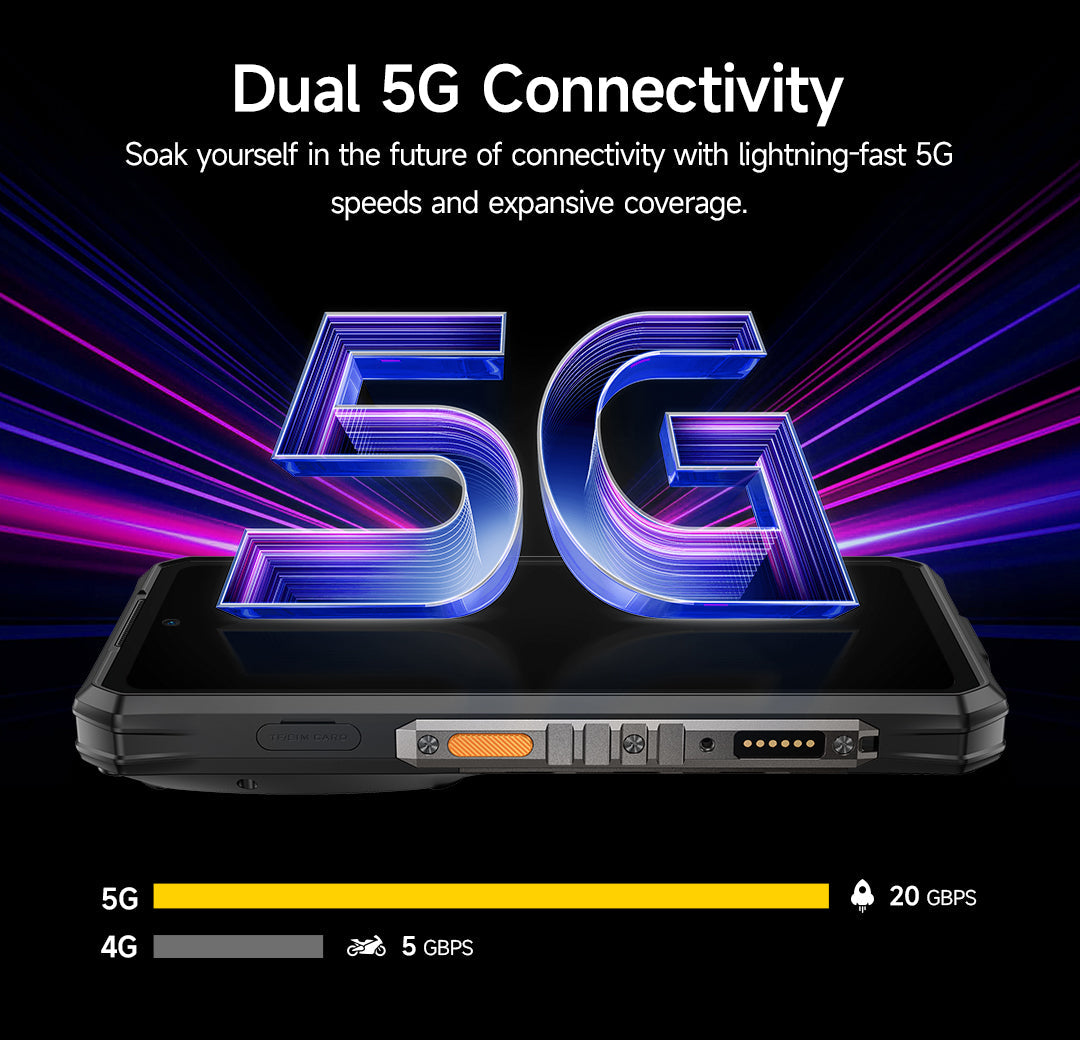
Performance and 5G. A modern chipset keeps the phone usable for years. The Ulefone Armor 34 Pro+ pairs a Dimensity 7400X 5G chipset with 16GB RAM and 512GB storage — plenty for work apps, maps, and media.
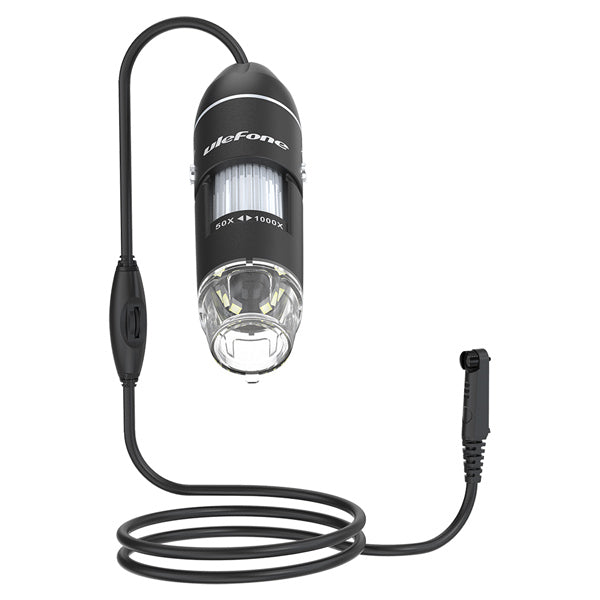
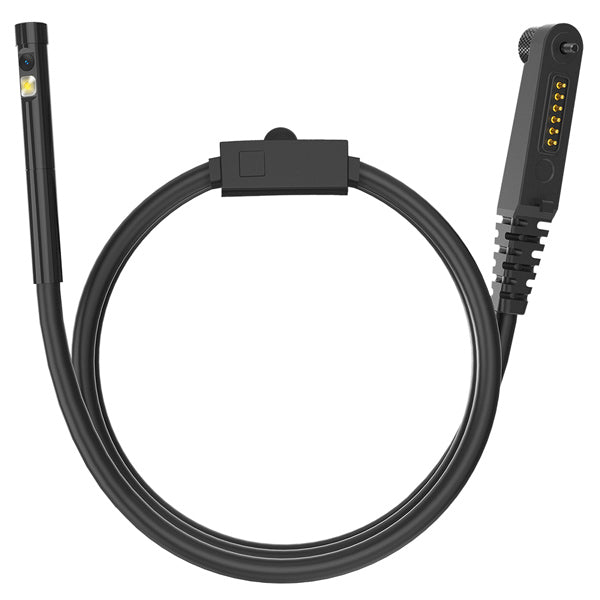
Extra hardware. The best rugged phones earn their price with features you can't get elsewhere: built-in projectors, high-lumen camping lights, thermal cameras, and loud speakers for outdoor audio.

Our Pick: Ulefone Armor 34 Pro+
If you want a rugged Android phone that does everything, the Armor 34 Pro+ is the one I'd put in my pocket today. It carries IP68 and IP69K water resistance plus MIL-STD-810H military-grade certification, so it shrugs off drops, dust, and washdowns without a second thought.
The battery is the headline: 25,500mAh, which Ulefone rates for up to ten days of typical use, with 66W fast charging to refill it quickly. Then there's the built-in projector — a DLP unit with 150 lumens, a 0.2-inch DMD chip, and a 100-inch maximum projection, plus intelligent autofocus and ±40° keystone correction. Real-world testing shows it can project continuously for 8 hours and 17 minutes before hitting 10% battery. Around a campsite or on a job site, that turns any flat surface into a screen.
The rest of the package holds up too: a 6.95-inch FHD+ 120Hz display, a 1100-lumen LED camping light with SOS mode, a 98dB speaker that covers small groups, and a Dimensity 7400X 5G chipset with 16GB RAM and 512GB storage.
If the projector isn't your thing, the Armor 28 Ultra is a strong alternative with a Dimensity 9300+ flagship chip and a 50W wireless charging — but for an all-rounder that survives anything and keeps entertaining you in the field, the Armor 34 Pro+ is hard to beat.

Frequently Asked Questions
Is a waterproof phone safe to swim with? Not really. The rating protects against rain, splashes, and quick washdowns, not prolonged submersion or swimming. It's also worth remembering that water resistance fades with age — seals and adhesives wear down over time, so the phone is less protected the longer you own it.
Do rugged phones weigh a lot? It depends entirely on the model, so check the spec sheet rather than assuming. A 10,600mAh rugged phone like the Armor 28 Ultra comes in at about 450g — heavier than a slim flagship, but easy enough to carry every day. A mega-battery phone like the Armor 34 Pro+ weighs around 825g, because the 25,500mAh battery alone accounts for most of that. If weight matters, look at the battery size first: more capacity almost always means more grams.
Do protection ratings wear out? Yes, and it's worth knowing. Seals and port covers degrade over time, especially with heavy use. A phone rated IP68 when new may not be after years of drops and dust. It's a reason to keep a rugged phone in good condition — and to treat the ratings as engineering specs, not a lifetime warranty.
Can a rugged phone do everything a normal phone can? Absolutely. Modern rugged phones run full Android, take good photos, support 5G, NFC payments, and wireless charging. You're not trading capability for durability anymore.
A rugged phone isn't just a phone that survives — it's a phone you can stop worrying about. Whether you're on a construction site, a campsite, or just tired of cracked screens, a genuine rugged Android phone like the Armor 34 Pro+ changes the relationship you have with your device. Drop it, soak it — then keep working. That's the point.
How the Armor 34 Pro+ Stacks Up Against the Competition
Specs only tell half the story, so here's how the Armor 34 Pro+ compares with two of the most popular rugged phones at similar price points — the OUKITEL WP30 Pro and the Blackview BV9300 Pro.
|
Model |
Chipset |
Battery |
Charging |
RAM / Storage |
Protection |
Standout feature |
|
Ulefone Armor 34 Pro+ |
Dimensity 7400X 5G |
25,500mAh |
66W wired |
16GB / 512GB |
IP68/IP69K + MIL-STD-810H |
Built-in projector, 1100-lumen camping light |
|
OUKITEL WP30 Pro |
Dimensity 8050 5G |
11,000mAh |
120W wired |
12GB / 512GB |
IP68/IP69K + MIL-STD-810H |
2.4K display, fastest charging |
|
Blackview BV9300 Pro |
MediaTek Helio G99 (4G) |
15,080mAh |
33W wired |
12GB / 256GB |
IP68/IP69K + MIL-STD-810H |
Huge battery, 100-lumen flashlight |
The WP30 Pro charges the fastest at 120W and its 2.4K panel looks sharp, but its battery is less than half the size of the Armor 34 Pro+. The BV9300 Pro brings a massive 15,080mAh cell and a built-in flashlight, yet it's a 4G phone, which limits it as a long-term buy. The Armor 34 Pro+ is the balanced pick: the biggest battery in the group, 5G, and genuinely useful extras like the projector and camping light that neither competitor offers.


Hinterlasse einen Kommentar
Alle Kommentare werden vor der Veröffentlichung geprüft.
Diese Website ist durch hCaptcha geschützt und es gelten die allgemeinen Geschäftsbedingungen und Datenschutzbestimmungen von hCaptcha.