






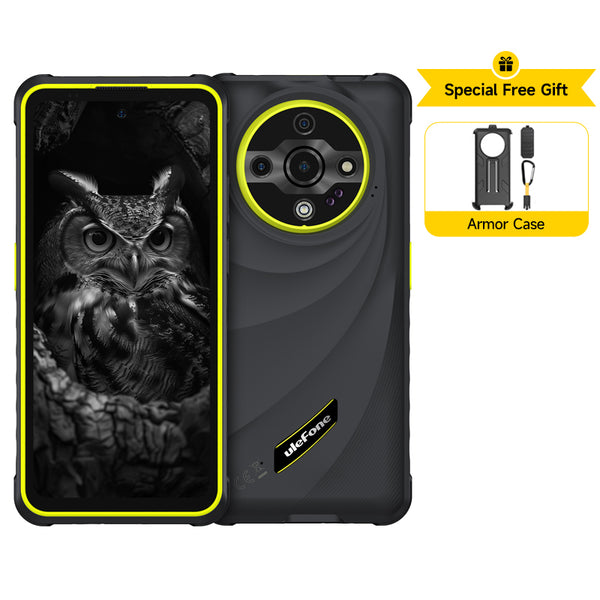
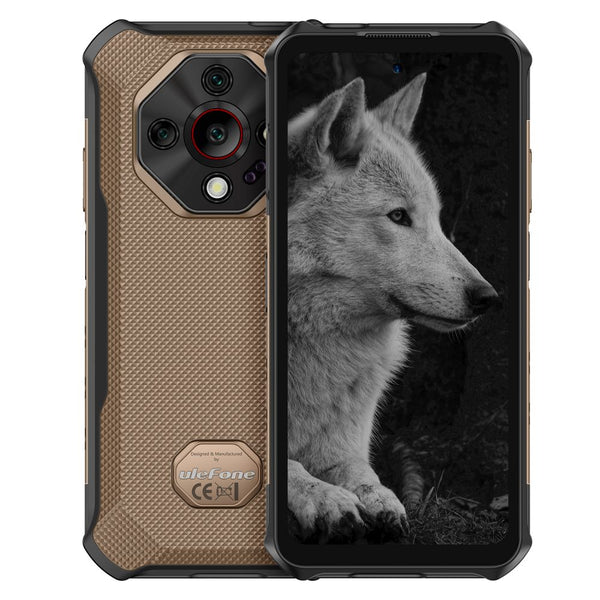
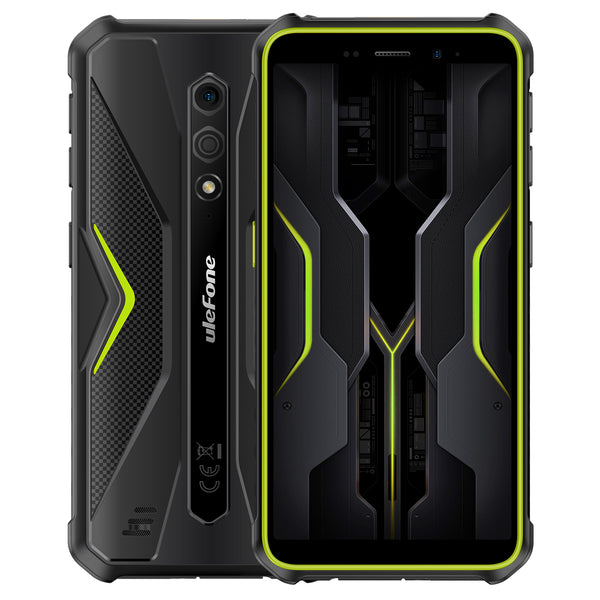
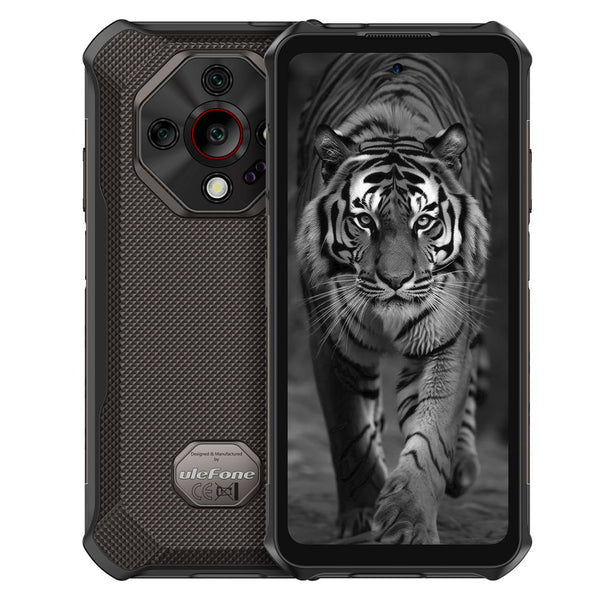


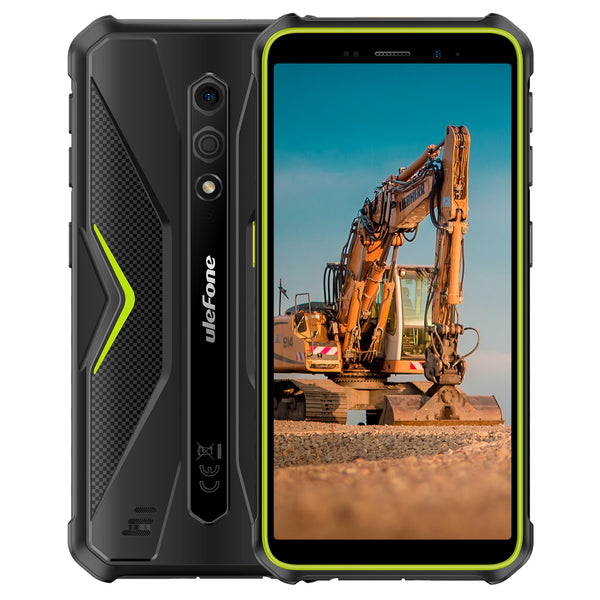


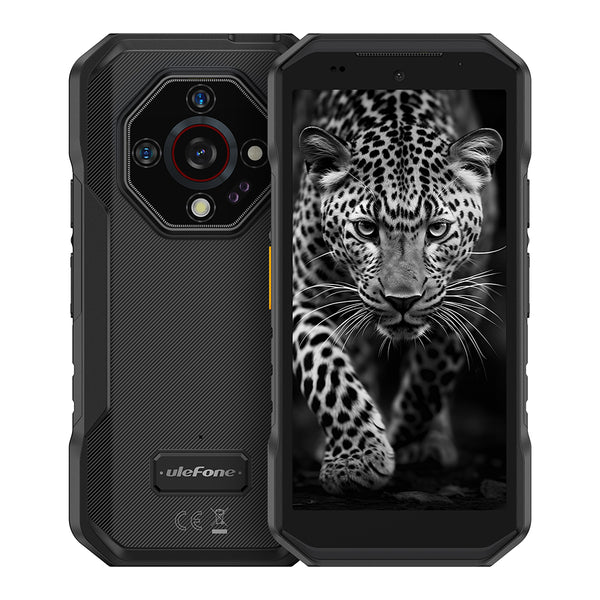


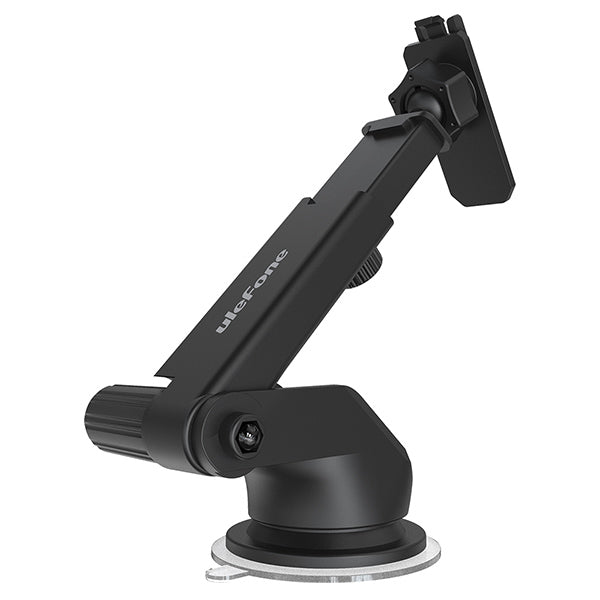


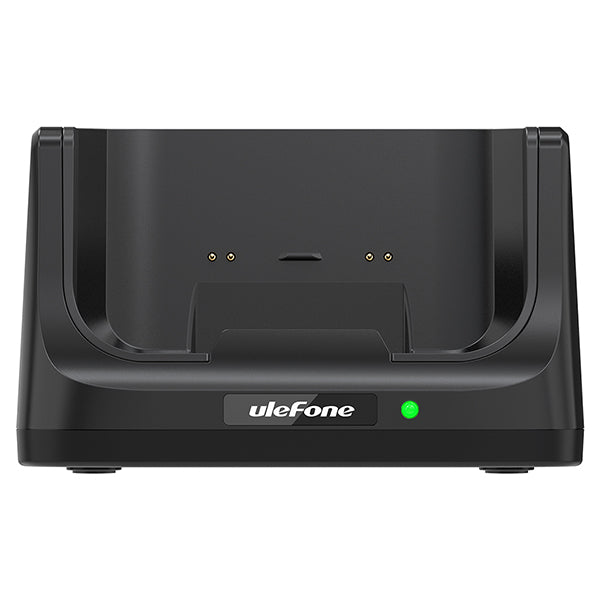


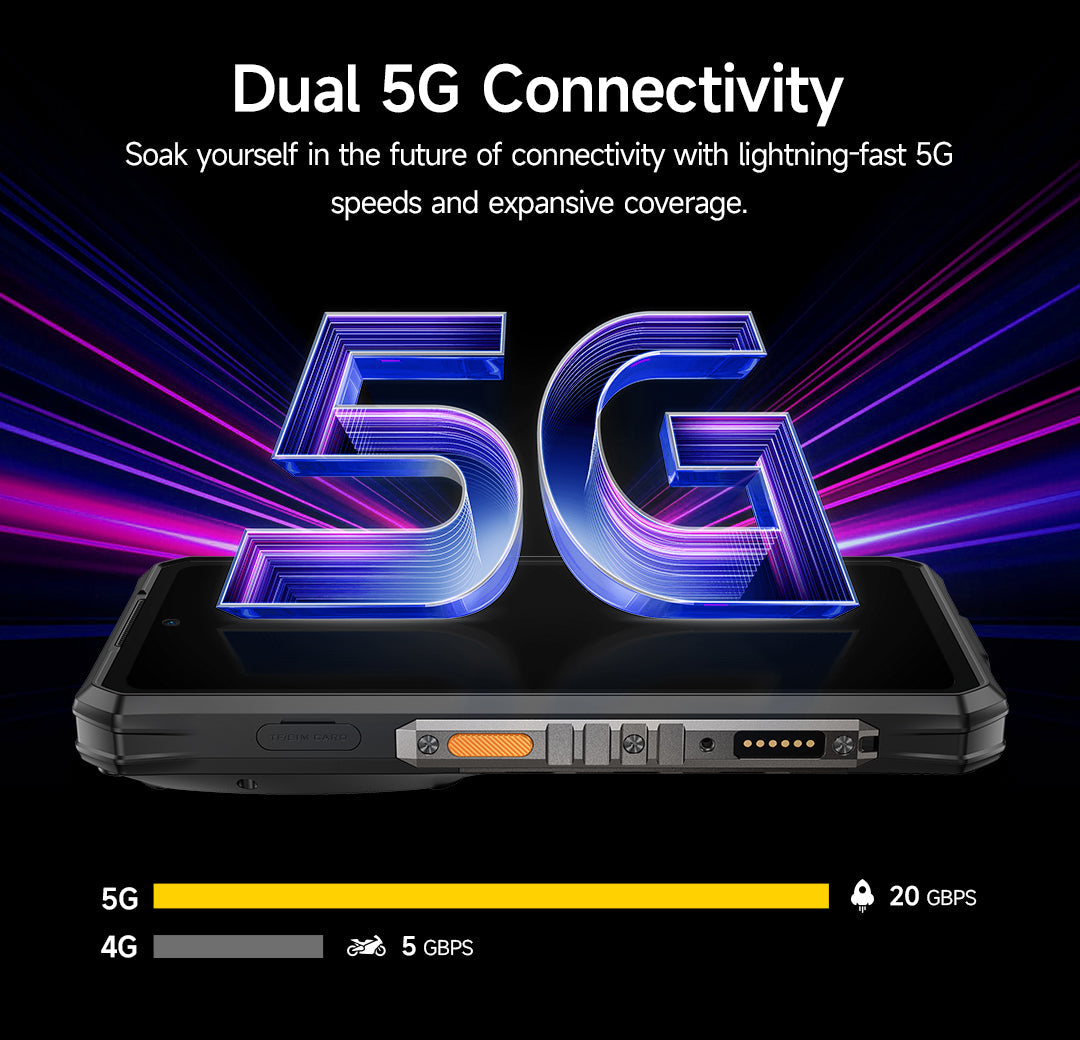
I remember the first time I used a 5G phone properly: a large video file that usually took minutes to sync finished in seconds, and a video call stayed crisp in a spot where 4G always stuttered. Five years ago that felt like magic. Today, 5G phones are the default, and the question isn't "should I get one" — it's "which one, and what should I look for?" This guide explains what a 5G phone is, how 5G changes daily use, and how to pick the right one — including why a rugged 5G phone might make more sense than you think.
What Is a 5G Phone?
A 5G phone is simply a smartphone with a modem that can connect to 5G networks, alongside 4G and older standards. In practice, that means a 5G-capable chipset — like the MediaTek Dimensity 7300 inside the Ulefone Armor 28 Pro — with the antennas and tuning to hold a stable 5G connection.
What 5G actually changes comes down to three things:
* Speed. Real-world 5G downloads are typically several times faster than 4G, and in good conditions they can be dramatically faster. Large files, app updates, and streaming in high quality simply stop being a wait.
* Latency. The delay between your tap and the network's response drops significantly. That matters for video calls, online gaming, remote control, and any tool that feels laggy on 4G.
* Capacity. 5G networks handle many more connected devices in the same area, which means a crowded stadium or worksite still gives you usable speeds.
What 5G Changes in Real Life
The spec-sheet numbers only tell part of the story. Here's what 5G actually feels like day to day:
Downloads that don't wait. Firmware updates, navigation maps, podcast episodes, work documents — they all arrive in seconds instead of minutes. If you've ever sat in a parking lot waiting for an update to finish, you know the feeling.
Video calls that hold up. 5G's lower latency and higher capacity make video calls smoother in marginal coverage, which matters for field workers checking in with the office, or families video-calling from a campsite.
Cloud work that works. Editing documents, syncing photos, and accessing large files from a server are all noticeably snappier on 5G. For people who work from their phone, that's a real productivity gain, not a marketing bullet.
Better performance in busy places. Airports, train stations, festivals, and construction sites full of phones — 5G was designed for exactly these dense, congested situations.
Rugged 5G Phones: Durability Meets Speed
Here's the part that surprises most people: some of the best 5G phones are rugged phones. A rugged 5G phone combines the speed and connectivity of a modern flagship with the durability to survive job sites, trails, and extreme weather.
That combination matters more than it sounds. A field engineer uploading 3D scans from a muddy site, a driver syncing delivery manifests in the rain, a rescue worker sharing live video from a remote location — these are exactly the situations where you need both fast 5G and a phone that won't die on impact.
The Ulefone Armor 28 Pro is a great example: a Dimensity 7300 5G chipset, 16GB RAM, and 512GB storage, wrapped in IP68/IP69K water resistance and MIL-STD-810H certification. It's a 5G phone built for rough conditions, and its 10,600mAh battery with 120W fast charging means you won't be hunting for an outlet in the middle of a shift.
What to Look For in a 5G Phone
Not every 5G phone is worth buying. Here's the checklist that actually matters:
Network support. Check that the phone covers the 5G bands used by your carrier and region — most modern models support the main sub-6GHz bands worldwide, which also makes them great travel phones.
Chipset. The modem lives inside the processor, so the chipset determines 5G performance and efficiency. A current mid-range chip like the Dimensity 7300 in the Armor 28 Pro handles daily 5G use easily; flagship chips like the Dimensity 9300+ in the Armor 28 Ultra add headroom for gaming and heavy multitasking.
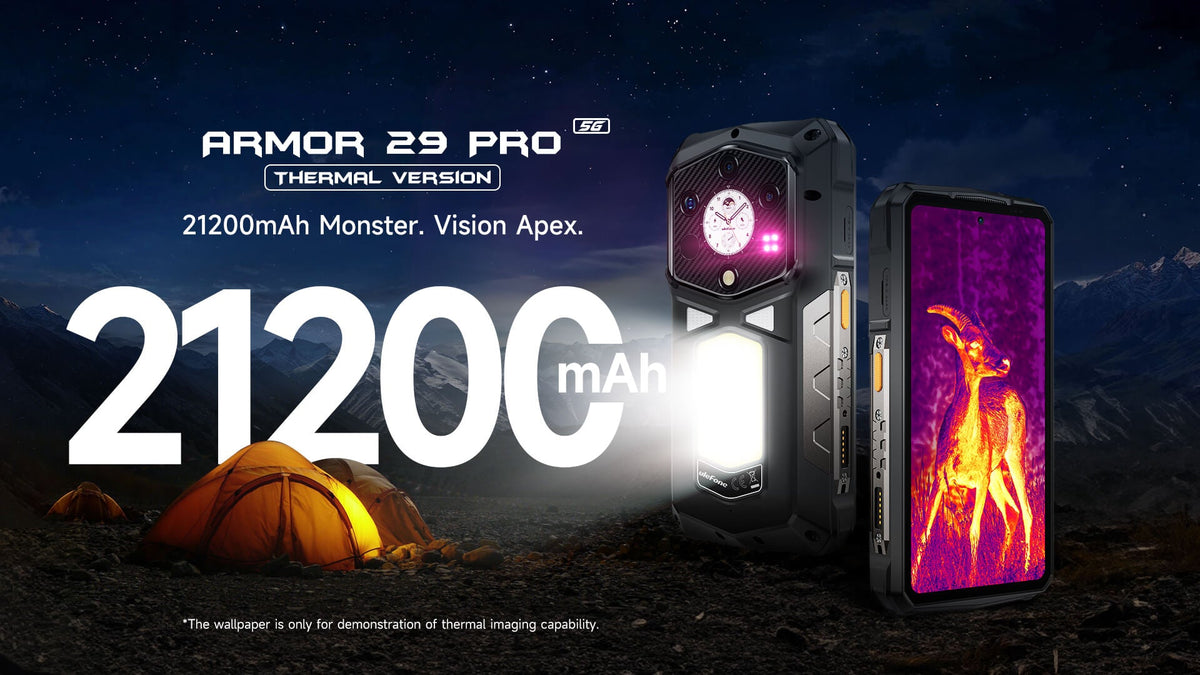
Battery. 5G draws more power than 4G, especially in weak-signal areas. A phone with a big battery — 10000mAh or more — is the difference between a 5G phone that lasts the day and one that doesn't.
Storage and RAM. 5G makes downloading and streaming effortless, which means you'll fill storage faster. 256GB or more is a comfortable baseline, and 512GB gives you room for years.
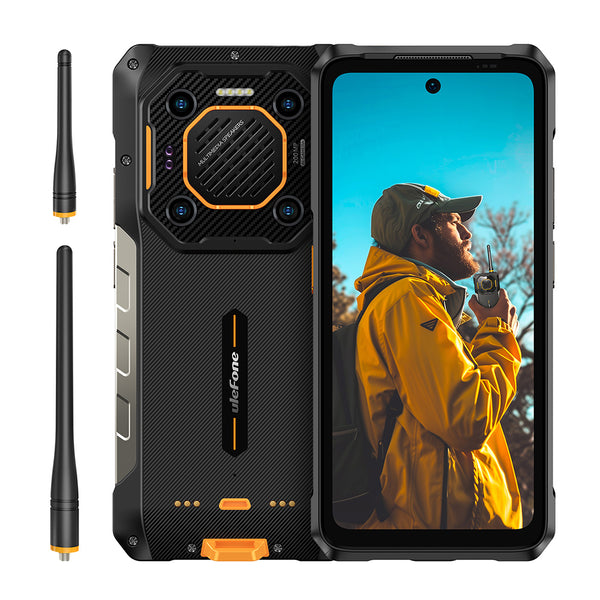
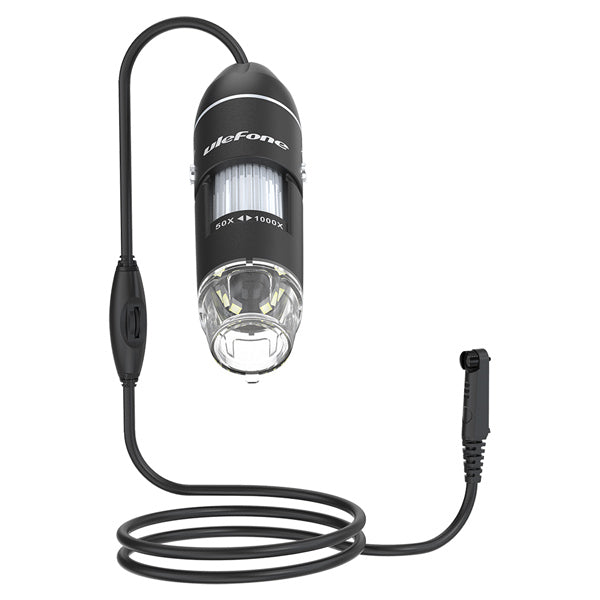
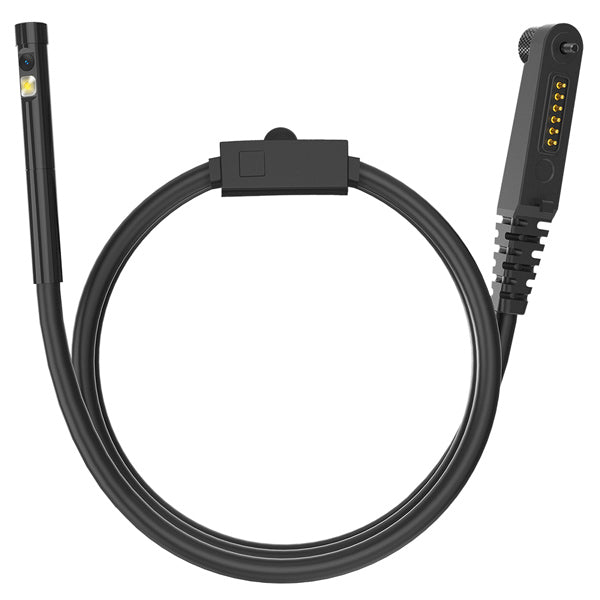
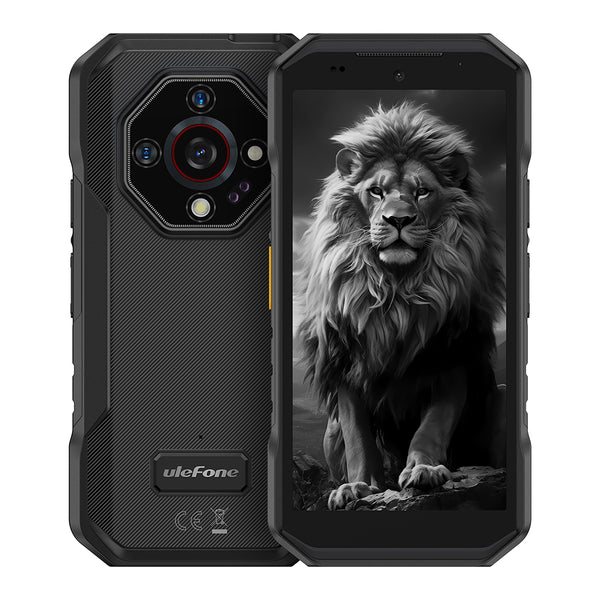
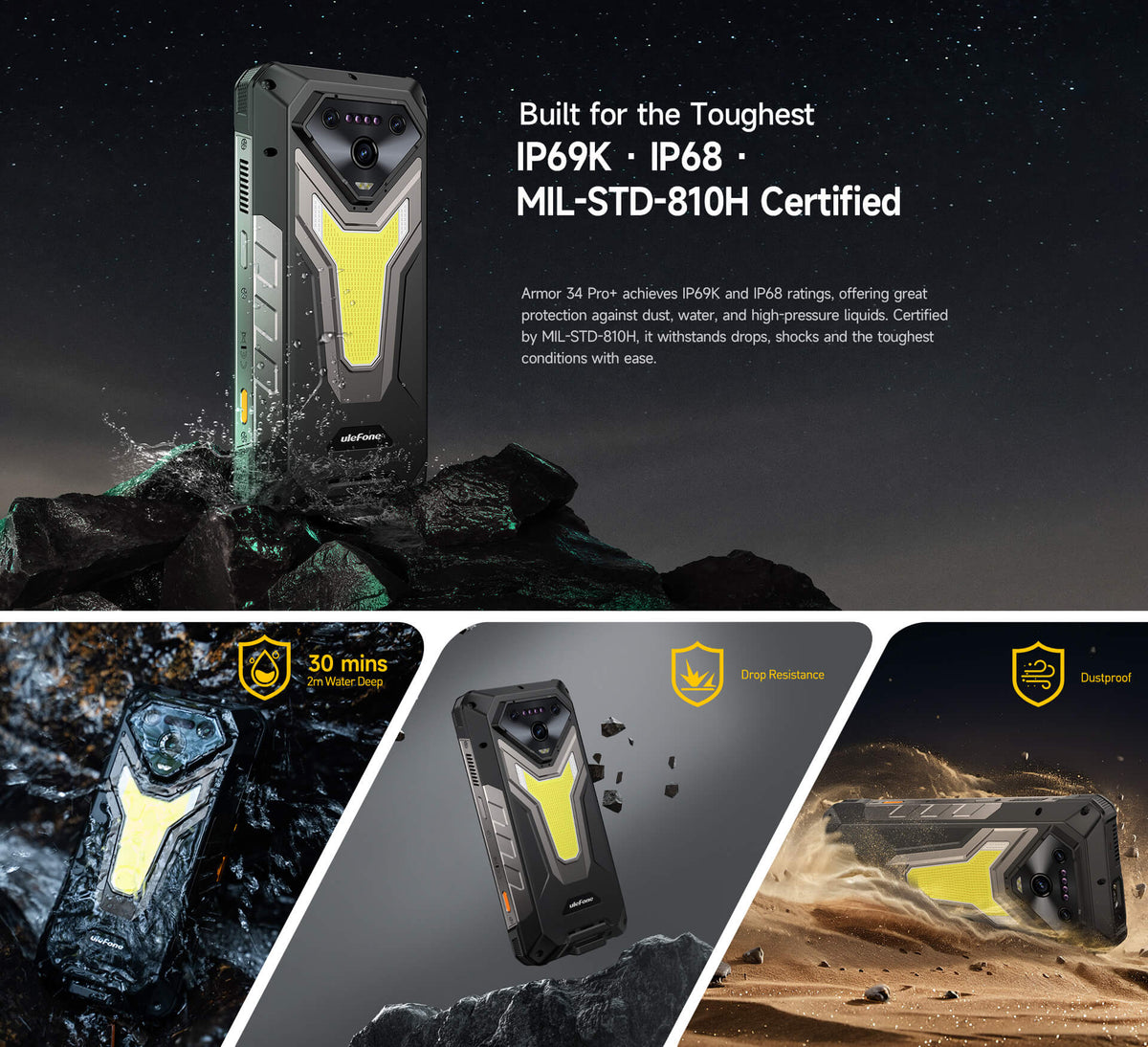
Durability and extras. If you work outdoors, a rugged 5G phone with IP68/IP69K ratings removes the worry factor entirely. And the best rugged models add genuinely useful extras — projectors, camping lights, thermal cameras — that no slim flagship offers.

Who Should Buy a 5G Phone?
Honestly, most people. 5G coverage is now standard in cities and towns, and carriers sell 5G plans as the default. There are a few groups who benefit the most:
Field and site workers. A rugged 5G phone means fast uploads from the job site, reliable video calls from remote locations, and a device that survives the work week. This is where the combination of 5G and rugged design earns its keep.
Heavy downloaders and streamers. If you download games, sync cloud storage, or stream high-quality video, 5G turns waiting time into done time.
Travelers. A phone with broad 5G band support is ready for roaming on other networks — one less thing to worry about when you land somewhere new.

Our Pick: Ulefone Armor 28 Pro
If you want a 5G phone that you never have to worry about, the Armor 28 Pro is my top recommendation right now. It pairs a Dimensity 7300 5G chipset with 16GB RAM and 512GB storage, a 10,600mAh battery with 120W wired and 50W wireless charging — all inside an IP68/IP69K and MIL-STD-810H certified body. The dual AMOLED display and the 50MP 1-inch Sony IMX989 camera make it the rare rugged 5G phone that's genuinely pleasant to use every day.
Want more raw performance? The Armor 28 Ultra upgrades to a Dimensity 9300+ flagship chip — still fully rugged and faster on paper, with the same 10,600mAh battery and 120W charging.
Frequently Asked Questions
Do I need a special SIM card for a 5G phone? Usually not. Most modern 5G plans include 5G access, and your current SIM typically works — you may just need to enable 5G in settings or confirm with your carrier.
Does 5G drain the battery faster? It can, especially in areas with weak signal where the radio works harder. That's why a big battery matters: a 5G phone with 10000mAh+ capacity sidesteps the problem entirely, and a rugged 5G phone like the Armor 28 Pro pairs fast connectivity with days of runtime.
Is 5G coverage good enough yet? In most cities and towns, yes. Coverage varies by region and carrier, but 5G is now the default in many areas — and a 5G phone still falls back to 4G seamlessly, so you lose nothing.
Will a 4G phone stop working? Not anytime soon. Carriers still support 4G and will for years. But as 5G becomes the standard and 4G gets more congested, a 5G phone is simply a better long-term investment — especially since phones last longer than they used to.
5G has moved from "the next big thing" to "the new normal." Whether you're a field worker who needs a rugged 5G phone that survives anything, a traveler who wants reliable connectivity anywhere, or just someone tired of waiting for downloads, there's a 5G phone that fits. Start with your priorities — speed, battery, durability, budget — and a model like the Armor 28 Pro will cover most of them at once.
Armor 28 Pro vs. the 5G Rugged Competition
To see how the Armor 28 Pro fits into the market, here's how it compares with two popular rugged 5G phones at similar price points — the OUKITEL WP30 Pro and the DOOGEE S200.
|
Model |
Chipset |
Battery |
Charging |
RAM / Storage |
Protection |
Standout feature |
|
Ulefone Armor 28 Pro |
Dimensity 7300 5G |
10,600mAh |
120W wired + 50W wireless |
16GB / 512GB |
IP68/IP69K + MIL-STD-810H |
Dual AMOLED display, 1-inch Sony IMX989 camera |
|
OUKITEL WP30 Pro |
Dimensity 8050 5G |
11,000mAh |
120W wired |
12GB / 512GB |
IP68/IP69K + MIL-STD-810H |
2.4K display, 108MP camera |
|
DOOGEE S200 |
Dimensity 7050 5G |
10,100mAh |
33W wired |
12GB / 256GB |
IP68/IP69K + MIL-STD-810H |
Rear AMOLED display, budget-friendly |
The WP30 Pro has the fastest chipset in the group and charges just as quickly as the Armor 28 Pro, while the S200 undercuts both on price. But the Armor 28 Pro wins on the details that matter daily: the brightest dual AMOLED setup, wireless charging that neither competitor offers, and a 1-inch camera sensor that no other rugged 5G phone has at this level.


Laisser un commentaire
Tous les commentaires sont modérés avant d'être publiés.
Ce site est protégé par hCaptcha, et la Politique de confidentialité et les Conditions de service de hCaptcha s’appliquent.