


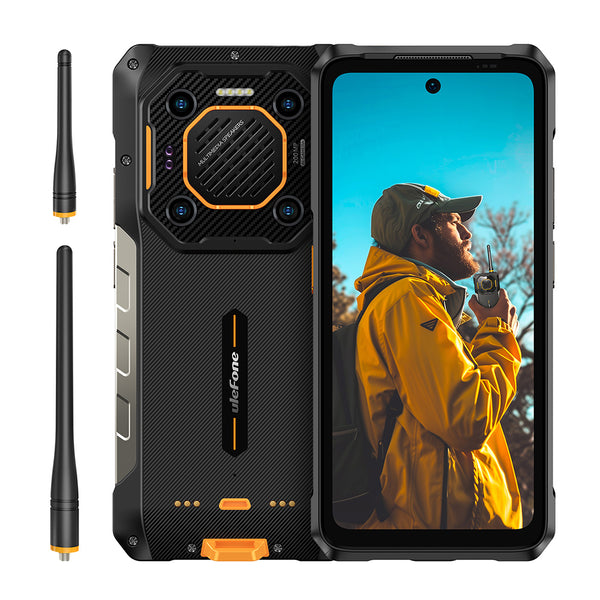


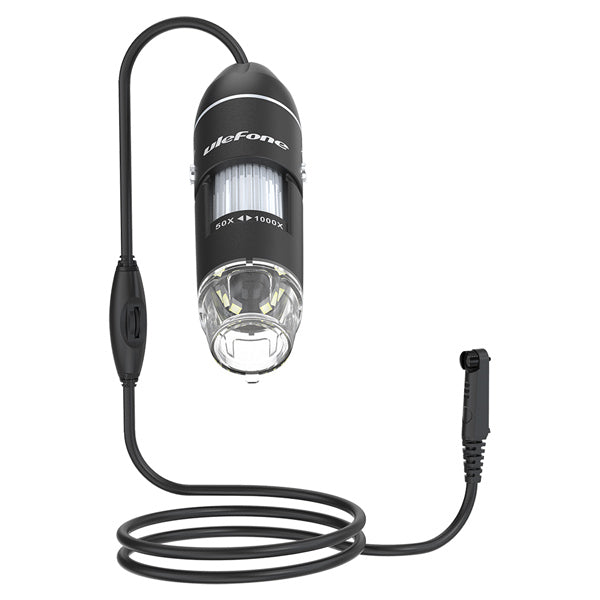
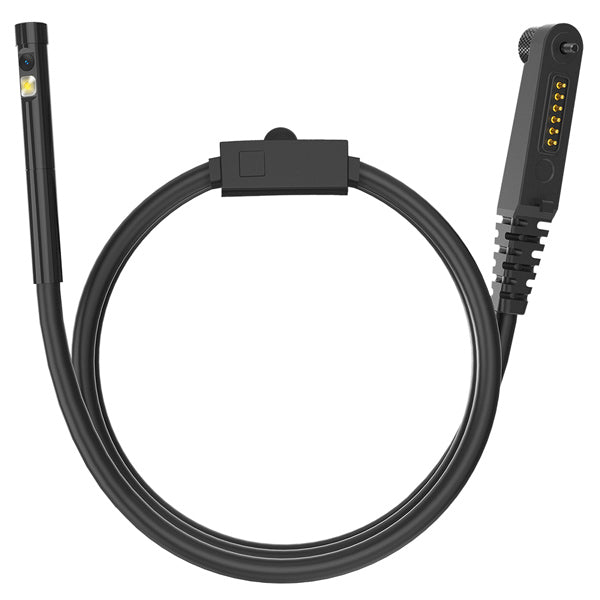


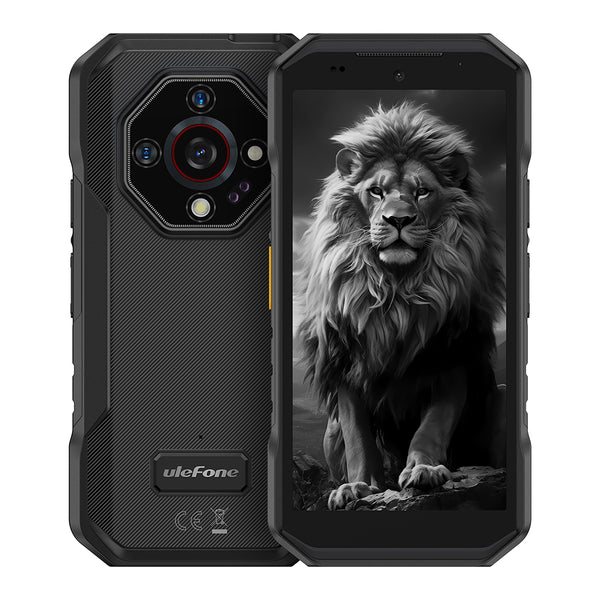
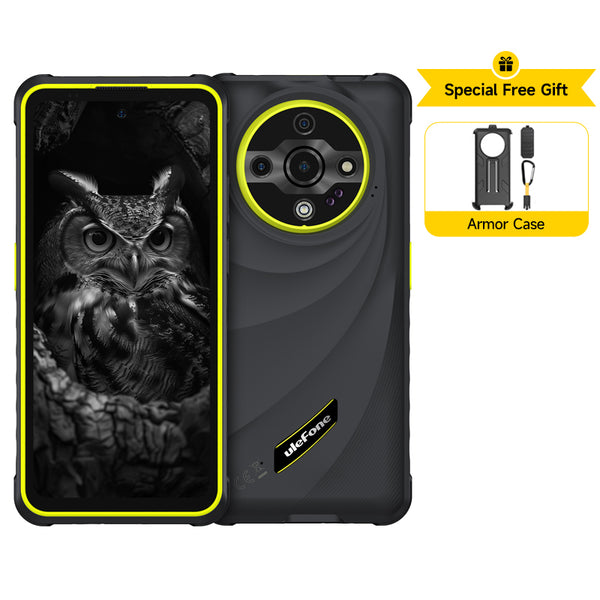
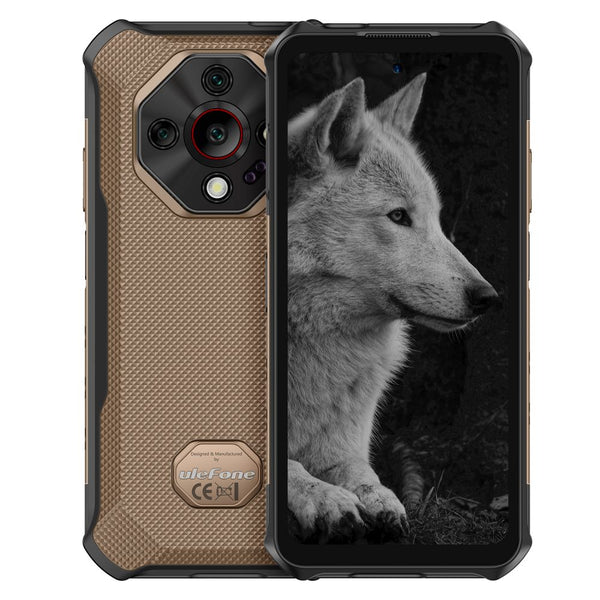
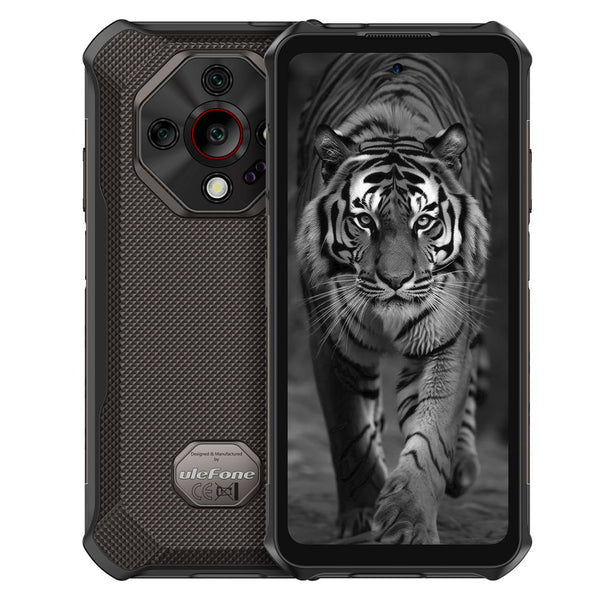




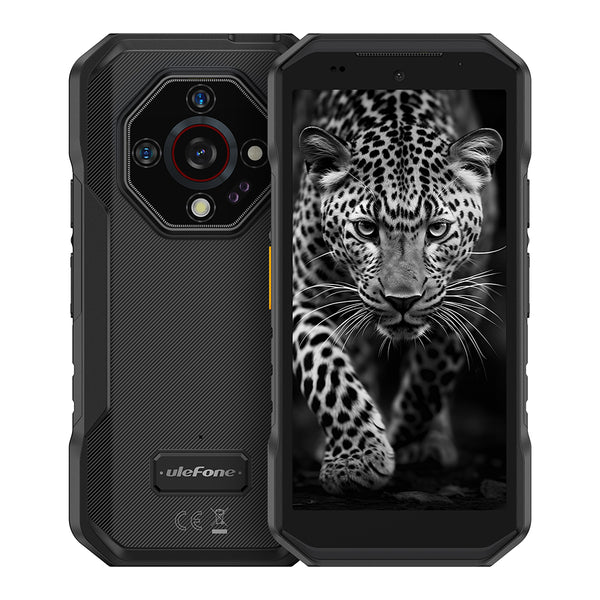






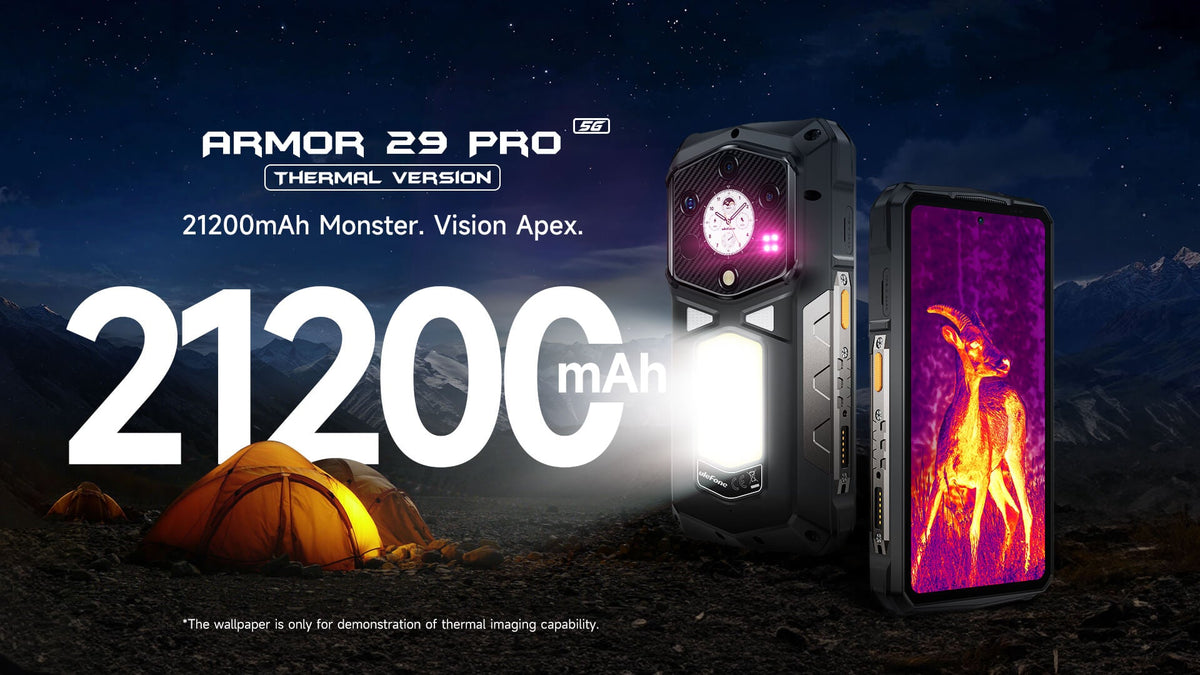
Let's be honest: when you hear about a thermal camera built into a smartphone, the first thought is usually "cool party trick." The Ulefone Armor 29 Pro Thermal is here to change that assumption. With next-gen AI thermal imaging and specs that hold up against dedicated professional imagers, this isn't a gimmick — it's a working tool you can carry in your pocket.
In this review, I'll walk through what each core spec actually means in day-to-day use, and why this phone earns a place in a professional's kit.
The Core Specifications That Redefine Mobile Thermal Imaging
|
Parameter |
Specification |
|
Thermal Resolution |
640 x 512 pixels |
|
Thermal Sensitivity (NETD) |
< 40 mK |
|
Frame Rate |
25 Hz |
|
Temperature Accuracy |
± 2 °C |
|
Temperature Range |
-20 °C to 550 °C |
|
Field of View (FOV) |
56° x 42° |
|
AI Enhancement |
Next-Gen AI Thermal Imaging |
The numbers above already tell most of the story: a 640 x 512 thermal core, < 40 mK sensitivity, and a temperature range that stretches from deep-freeze cold to industrial heat. Here's what each one means when you're actually using it.

1. 640 x 512 Thermal Resolution: See the Details Others Miss
Resolution is the first thing that separates a real thermal tool from a toy. With 640 x 512 pixels, the sensor produces 327,680 independent temperature points per frame — roughly four times the pixel count of the 256 x 192 sensors found in most mid-range thermal cameras.
That extra detail changes how you work. Instead of a blurry hot zone, you can pinpoint an overheating component on a circuit board, or tell exactly where a stud sits behind drywall. Many entry-level professional imagers run 320 x 240 or 384 x 288 sensors, so the Armor 29 Pro Thermal sits a clear step above them. Electricians inspecting a three-phase panel, for example, can read each breaker's temperature separately in a single frame — something low-resolution cameras simply blur together.
2. NETD < 40 mK: Sensitivity That Picks Up What You Can't See
NETD measures the smallest temperature difference the sensor can detect. At < 40 mK, this phone can register changes as small as 0.04 °C.
That matters because most commercial professional imagers sit in the 50-100 mK range. The higher sensitivity lets you catch the subtle stuff: insulation gaps that leak energy invisibly, early hot spots before they become electrical faults, or faint evaporative cooling behind a damp wall. On a hot day, when the difference between insulated and uninsulated wall sections can be as little as 0.5 °C, a typical 100 mK camera often misses it — this one doesn't.
3. 25 Hz Frame Rate: Smooth Real-Time Thermal Video
A 25 Hz refresh rate means the sensor updates the image 25 times per second — full real-time video, not the choppy slideshow you get from 9 Hz sensors (a common limit on entry-level exports). You can pan the phone smoothly, track a running engine, and watch temperature change live instead of frame by frame. For anyone inspecting moving machinery, that's the difference between seeing a transient hot spot and missing it entirely.
4. ± 2 °C Accuracy: Measurements You Can Trust
Measurement accuracy is where thermal gear earns or loses trust. This phone holds error within ± 2 °C, which matches the ± 2 °C or ± 2% reading spec of mainstream professional imagers.
Practically: if it reads a motor housing at 78 °C, the real temperature sits between 76 °C and 80 °C. That's precise enough to judge whether equipment is running inside safe limits — and to put numbers in an inspection report with confidence.
5. -20 °C to 550 °C: One Sensor for Cold Storage to Hot Machinery
The temperature span is what makes this a one-device solution. From -20 °C (well below freezing) to 550 °C, it covers cold-storage checks and hot industrial gear alike — most dedicated cameras only reach -10 °C to 400 °C.
Factory maintenance crews can use a single unit to check a -15 °C freezer compressor and a 500 °C kiln exhaust. Electricians get coverage well past the 150 °C mark where overloaded circuits start to show up.
6. 56° x 42° FOV: Wide Enough to Scan, Narrow Enough to Focus
The 56° wide by 42° vertical field of view is a practical middle ground. Ultra-wide 90° lenses shrink distant targets; narrow 25° lenses force you to reposition constantly. At 56° x 42°, you can scan a whole electrical panel from a comfortable distance, check a wall for insulation gaps in a couple of passes, and inspect an engine bay without contorting yourself. Home inspectors can capture two full living-room walls in one shot and spot corner defects on the first sweep.
7. Next-Gen AI Thermal Imaging: A Built-In Second Pair of Eyes
Hardware gets you the data; the AI makes sense of it. The Armor 29 Pro Thermal's next-gen AI thermal system turns passive imaging into active analysis:
• AI Image Enhancement: cleans up noise and sharpens thermal edges so subtle differences are easier to spot
• Smart Object Recognition: automatically identifies common targets like electrical panels, pipes and windows
• Dynamic Temperature Tracking: locks onto a point and records how its temperature changes over time
• AI-Assisted Reporting: annotates images with accurate temperature data for faster reports
• Predictive Fault Analysis: spots abnormal thermal patterns and flags potential bearing or circuit failures before they happen
Traditional cameras hand you raw data and leave interpretation to you. This phone acts as a built-in assistant — useful whether you're a veteran technician or someone new to thermal work.

Armor 29 Pro Thermal vs. Typical Professional Thermal Imagers
|
Feature |
Ulefone Armor 29 Pro Thermal |
Typical Professional Thermal Imager |
|
Thermal Resolution |
640 x 512 |
320 x 240 to 640 x 480 |
|
NETD |
< 40 mK |
50 mK to 100 mK |
|
Frame Rate |
25 Hz |
9 Hz to 30 Hz |
|
Accuracy |
± 2 °C |
± 2 °C or ± 2% reading |
|
Temperature Range |
-20 °C to 550 °C |
-10 °C to 400 °C (standard) |
|
Field of View |
56° x 42° |
25° to 50° (variable) |
|
AI Enhancement |
Yes, Next-Gen AI |
Rare or limited support |
|
Display |
6.95-inch high-definition smartphone screen |
3-inch to 5-inch small LCD |
|
Connectivity |
5G, Wi-Fi, Bluetooth |
Limited Wi-Fi & Bluetooth |
|
Reporting |
On-device AI-assisted generation |
PC software-dependent |
|
Portability |
Pocketable all-in-one device |
Independent device with carry case required |
|
Durability |
IP68/IP69K, MIL-STD-810H |
Non-rugged for most models |
|
Battery Life |
21200mAh, multi-day standby & usage |
4–8 hours continuous use (typical) |
The table makes the point: in core thermal performance, this phone doesn't just keep up with dedicated devices — it beats most of them, while also being a full smartphone with AI analysis and military-grade durability.
Real-World Scenarios: Where This Phone Earns Its Keep
Beyond the specs, here's where people actually put it to work.
1. Electrical Inspection
Pinpoint overloaded circuits, loose connections and aging components before they fail. The 640 x 512 resolution and < 40 mK sensitivity catch hidden risks early, cutting downtime and fire hazards.
2. Building Diagnostics
Find missing insulation, air leaks, hidden moisture and thermal bridges in any season. The wide FOV covers a full wall in one scan, which makes energy audits noticeably faster.
3. HVAC Maintenance
Check duct sealing, compressor condition and heat-exchanger efficiency. Dynamic Temperature Tracking helps catch intermittent faults that only appear while the system is under load.
4. Automotive & Industrial Monitoring
Scan brakes, exhausts and engine components, or keep an eye on motors, pumps and conveyors. The 25 Hz frame rate keeps up with moving parts, the 550 °C ceiling handles industrial heat, and the rugged build survives the workshop floor.
5. Solar Panel Inspection
Spot faulty cells, hot spots and bad connections across large arrays in one pass. High resolution lets you scan several panels at once and flag underperforming units quickly.
6. Emergency Response
In smoke-filled rooms or at fire scenes, the thermal view finds trapped people and hot hazard zones fast. AI-enhanced imaging gives first responders clear data for quicker, safer decisions.
Conclusion: A Pocket-Sized Professional-Grade Thermal Imager
The Armor 29 Pro Thermal isn't a phone with a thermal camera bolted on — it's a professional-grade thermal imager that also happens to be a rugged smartphone. Between the 640 x 512 core, < 40 mK sensitivity, 25 Hz frame rate, ± 2 °C accuracy, -20 °C to 550 °C range, and the 25,500mAh battery that keeps it running for days, it covers everything a standalone imager does — then adds AI analysis, full smartphone features and IP68/IP69K, MIL-STD-810H ruggedness on top.
For electricians, building inspectors, HVAC techs, automotive engineers and emergency responders, it isn't a compromise. It's a new standard for what portable thermal detection can be.


Laisser un commentaire
Tous les commentaires sont modérés avant d'être publiés.
Ce site est protégé par hCaptcha, et la Politique de confidentialité et les Conditions de service de hCaptcha s’appliquent.