






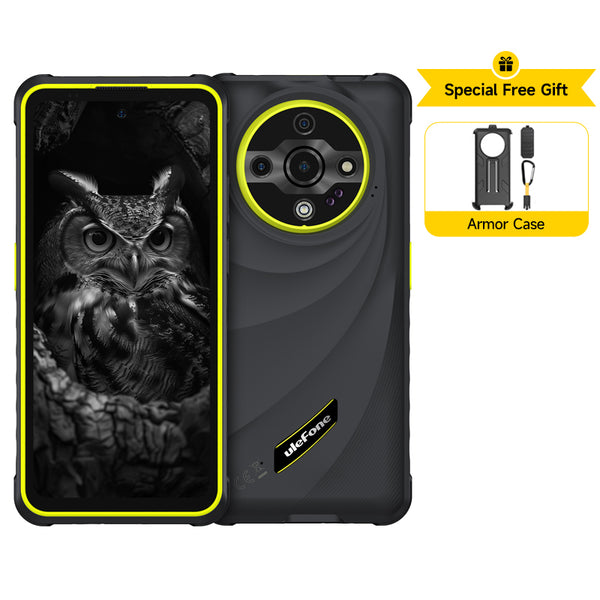
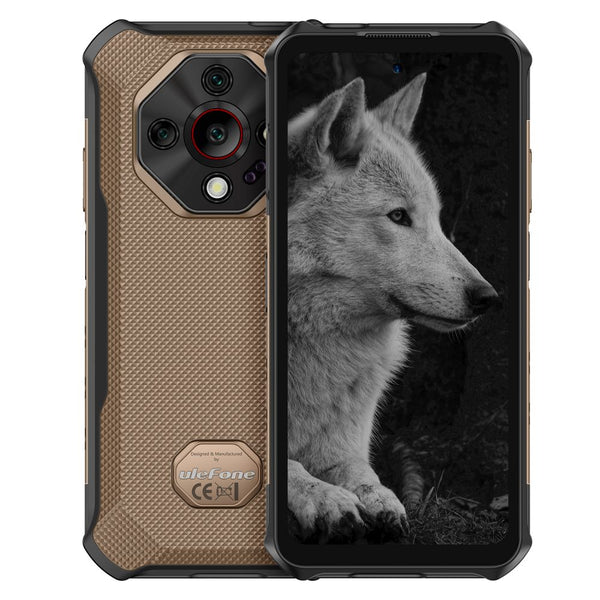
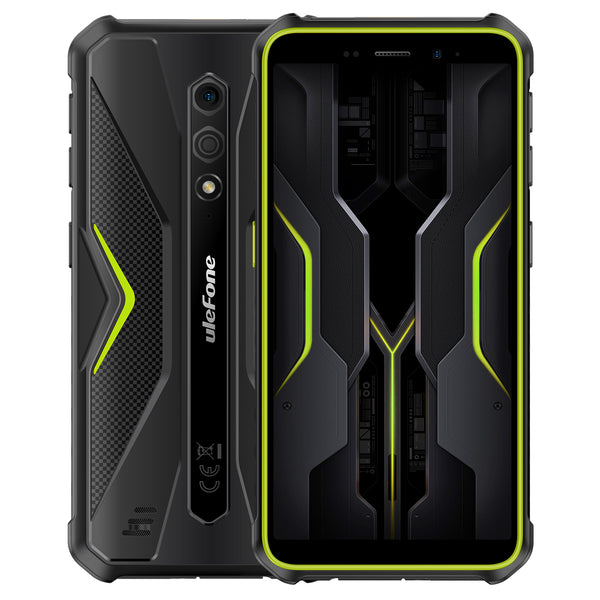
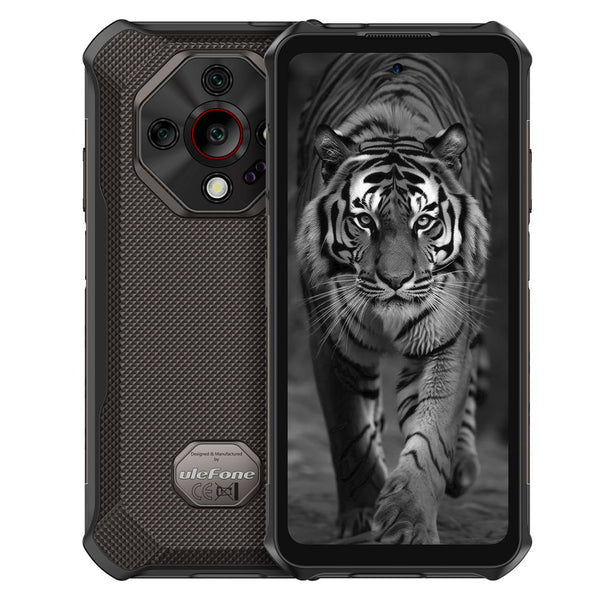










Every evening for years, my nightly ritual was the same: fumble for a cable in the dark, plug in the phone, and hope the connector survived another day of dust and drops. Then I switched to a wireless charging rugged phone, and that ritual disappeared. Wireless charging used to be a feature reserved for slim flagships, but today's rugged models combine the convenience of charging pads with military-grade durability — and fast 50W wireless charging has turned the feature from a gimmick into a real alternative to cables. If you work outdoors, spend time in dusty environments, or just want to retire your cables for good, here's what you need to know, and which phones actually deliver.
What Is a Wireless Charging Phone?
A wireless charging phone is a durable smartphone that supports wireless charging alongside the usual IP68/IP69K water and dust resistance and MIL-STD-810H drop protection. Instead of plugging in a cable, you drop the phone on a pad and the battery refills through electromagnetic induction. Simple as that.
The practical benefit is bigger than convenience. Because a rugged phone with wireless charging never needs its port opened for daily charging, the USB-C port stays sealed longer, keeping out dust, moisture, and wear. For a device rated for extreme environments, that small difference meaningfully extends real-world reliability — fewer port repairs, fewer water-damage worries.
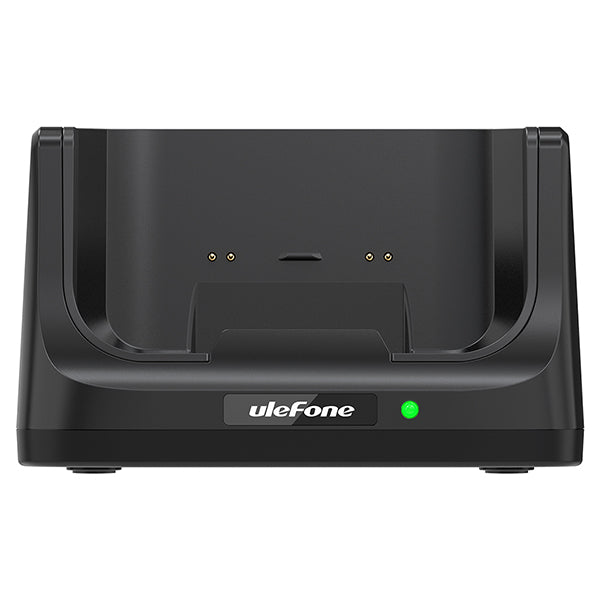
It also changes daily habits. A pad on your desk, nightstand, or dashboard means the phone is topped up whenever you set it down. No hunting for a cable, no worn-out connectors, no port left exposed on a dusty job site.
How Wireless Charging Works on a Rugged Phone
Wireless charging works through electromagnetic induction: a coil in the charging pad creates an alternating magnetic field, and a matching coil inside the phone converts that field back into electricity. Both coils need to line up, which is why most pads have a marked sweet spot — or magnetic alignment that snaps the phone into place. In practice, you learn the spot in a day and never think about it again.
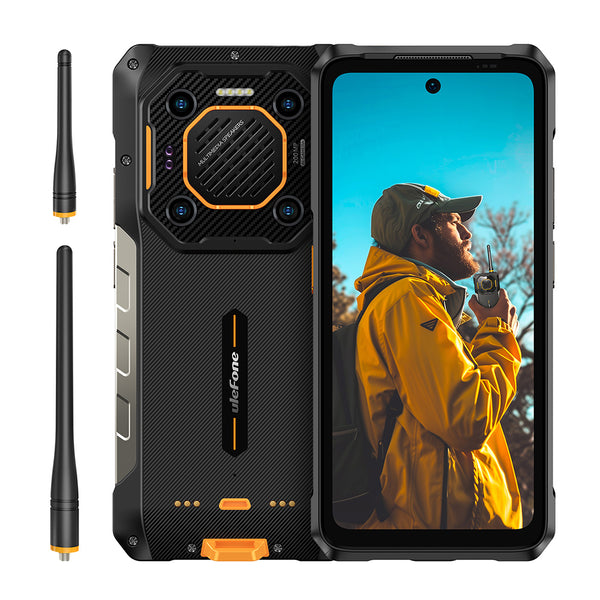
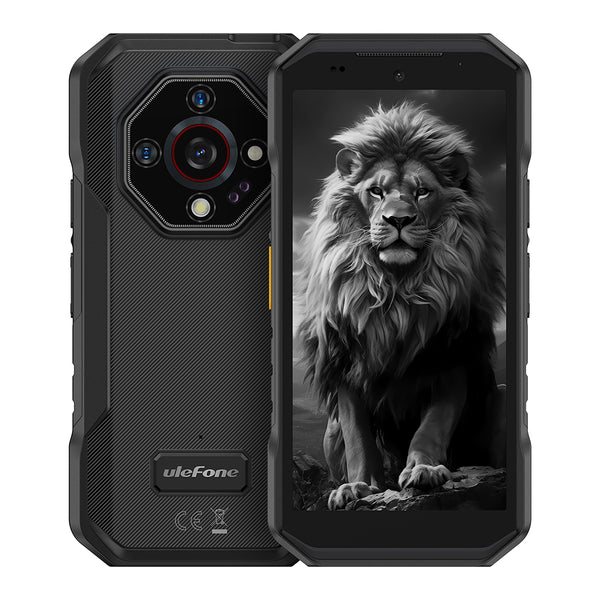
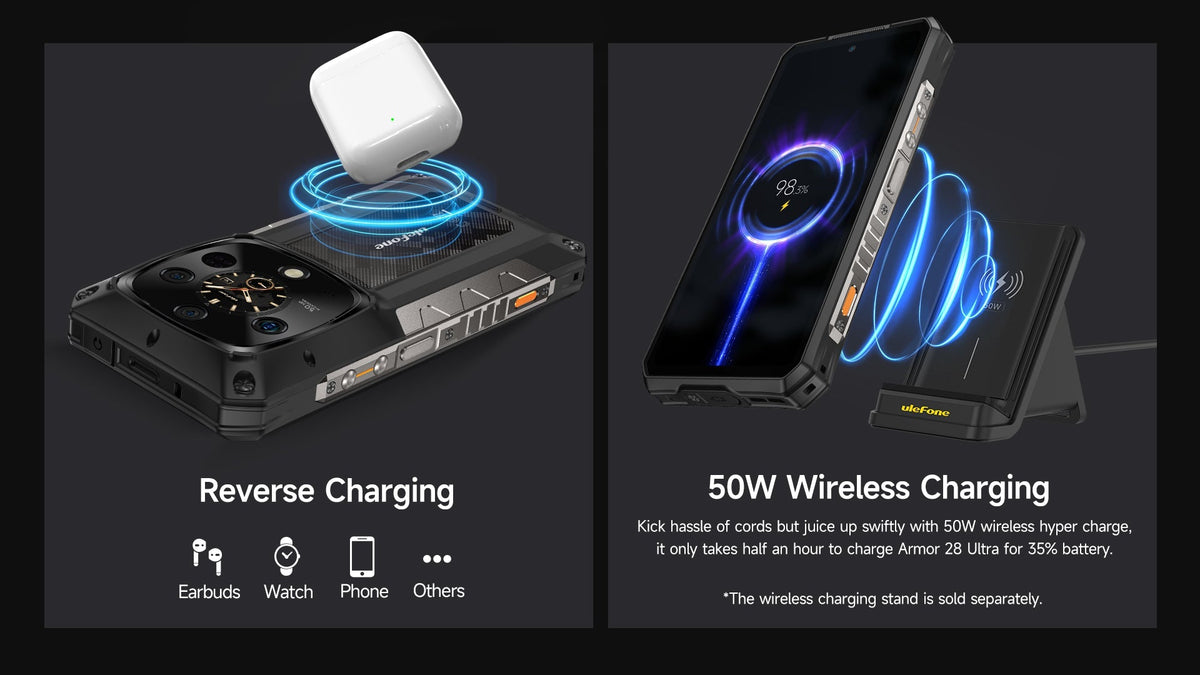
Charging speed depends on the power the phone accepts. Entry-level rugged phones top out at 15W, fine for a slow overnight charge. Higher-end models push much further. The Ulefone Armor 28 Ultra supports 50W wireless charging, which refills its 10,600mAh battery at speeds that rival many wired chargers. Ulefone's Armor 27T Pro+ offers 30W wireless charging and wireless reverse charging as a more affordable alternative.
The pad and the phone negotiate the power level before charging starts, so the phone only draws what it can safely accept. That's why a phone rated for 50W works fine on a slower pad — it just charges at the pad's rate — and why pairing a high-power phone with a matching pad is what unlocks the speed.
Why Wireless Charging Matters on a Rugged Phone
Sealed design stays sealed. Every time you plug in a cable, the port is exposed to grit and moisture. A wireless charging phone lets you charge daily without ever opening the port — the feature that matters most on a rugged device.
One less thing to break. Cables bend, connectors wear, and ports fill with dust on job sites. I've killed more phones via dead ports than cracked screens. Charging by induction removes those failure points entirely.
Power in awkward places. Nightstands, truck consoles, camp tables, field vehicles — they can all host a charging pad. You drop the phone down and it charges, no fumbling with cables in the dark or while wearing work gloves.
Extra utility with reverse charging. Models with wireless reverse charging, like the Armor 27T Pro+, can top up your earbuds, smartwatch, or a friend's phone straight from your device.

What to Look For in a Wireless Charging Rugged Phone
Charging speed. 15W is the baseline, 30W is comfortable, and 50W is flagship territory — and a phone that pairs with 50W wireless chargers, like the Armor 28 Ultra, delivers fast wireless charging that genuinely cuts the time you spend waiting on a pad. That's the difference between a quick top-up and an all-day charge.
Battery capacity. Wireless convenience matters most when the battery lasts. Backed by 50W wireless chargers, the Armor 28 Ultra combines 50W wireless charging with a 10,600mAh battery and 120W wired fast charging as a backup. Best of both worlds, honestly.
Reverse wireless charging. If you carry multiple devices, reverse charging turns your phone into a portable charger for the rest of your gear — great for earbuds and watches on long trips.
Pad compatibility. Stick with charging pads from reputable brands. Fast wireless charging usually needs a pad that matches the phone's supported power level — a 15W pad will still charge a 50W phone, just slowly. Magnetic pads keep the coils aligned automatically in vehicles and on desks, and a pad with built-in cooling helps in warm climates.

Who Needs a Wireless Charging Rugged Phone?
Field workers. Charging by induction in a work truck or on a dusty site keeps the phone sealed and the port clean. A rugged phone with wireless charging survives the week better than one that gets plugged in daily.
Outdoor adventurers. Camping, overlanding, remote travel — pads are a natural fit. Drop the phone on a solar-fed pad during the day, pick it up full in the evening.
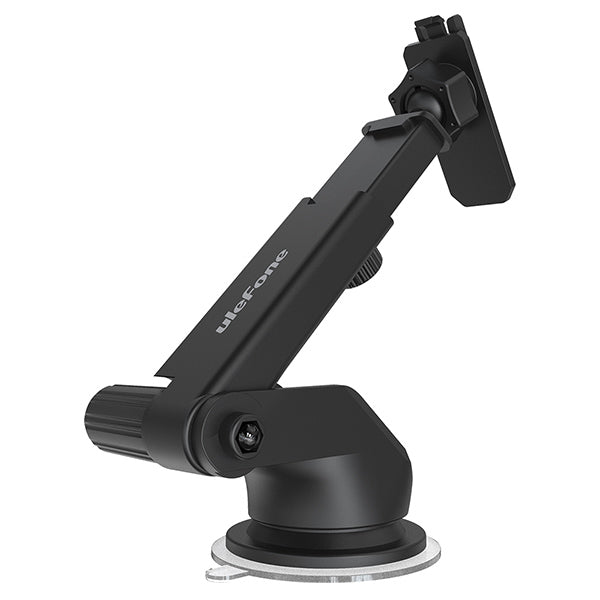
Car commuters. A magnetic or flat charging pad in the dashboard means the phone charges every time you drive, and it doubles as a phone mount. No cable tangle in the cup holder.
Logistics and delivery crews. Drivers in and out of the vehicle all day can top up between stops without ever unsealing the phone. On a long route, that's the difference between finishing the shift with a dead phone and arriving with a full one.
Anyone tired of cable clutter. If your desk is a tangle of chargers, a wireless charging phone simplifies the setup without sacrificing durability.
Our Pick: Ulefone Armor 28 Ultra
The Armor 28 Ultra is the strongest all-around wireless charging phone I'd recommend today. It combines 50W wireless charging, a 10,600mAh battery, and 120W wired fast charging with IP68/IP69K-rated durability and a 6.67-inch AMOLED display. If you want the speed without the flagship price, the Armor 27T Pro+ delivers 30W wireless charging, wireless reverse charging, and the same 10,600mAh capacity for less.
Frequently Asked Questions
Is wireless charging slower than wired charging? It can be. Entry-level 15W pads are slower than modern wired chargers, but high-end rugged phones now support 50W wireless charging, which narrows the gap considerably.
Does wireless charging work with a case? In most cases, yes — rugged cases work fine with wireless charging. Very thick cases or metal attachments can interfere, so test your setup before relying on it in the field.
Does wireless charging heat up the phone? Some warmth is normal — a small amount of energy is lost as heat in the coils. It's safe within the phone's designed range, but avoid charging in direct sun or hot vehicles, and pick a pad with cooling if you live somewhere warm.
Can I use any charging pad? Any wireless charger will charge the phone. To get the fastest speeds, though, choose a pad rated for the same power level as your phone.
Can I wirelessly charge in wet or dusty conditions? We'd advise against charging in wet or humid conditions. The IP68/IP69K rating protects the phone itself, but charging in rain, near water, or in high-humidity spots is risky — keep both the phone and the pad dry, and charge in a sheltered spot.
How It Stacks Up: Doogee V40 Pro and Phonemax P10
Curious how Ulefone compares to other wireless-ready rugged phones? The Doogee V40 Pro brings 15W wireless charging with an 8,680mAh battery, while the Phonemax P10 offers 15W wireless charging and 10,000mAh. Both are fine mid-range options, but their 15W pads are overnight-charge territory — the Armor 28 Ultra's 50W wireless charging refills its 10,600mAh battery in a fraction of the time.
|
Model |
Wireless charging |
Battery |
Wired charging |
|
Ulefone Armor 28 Ultra |
50W |
10,600mAh |
120W |
|
Doogee V40 Pro |
15W |
8,680mAh |
33W |
|
Phonemax P10 |
15W |
10,000mAh |
33W |
Wireless charging phones have grown from a gimmick into a genuinely useful feature. With fast 50W charging, sealed designs, and reverse charging support, models like the Armor 28 Ultra prove convenience and durability can live in one device — and once you go wireless on a job site, you won't miss the cables.


Leave a comment
All comments are moderated before being published.
This site is protected by hCaptcha and the hCaptcha Privacy Policy and Terms of Service apply.