






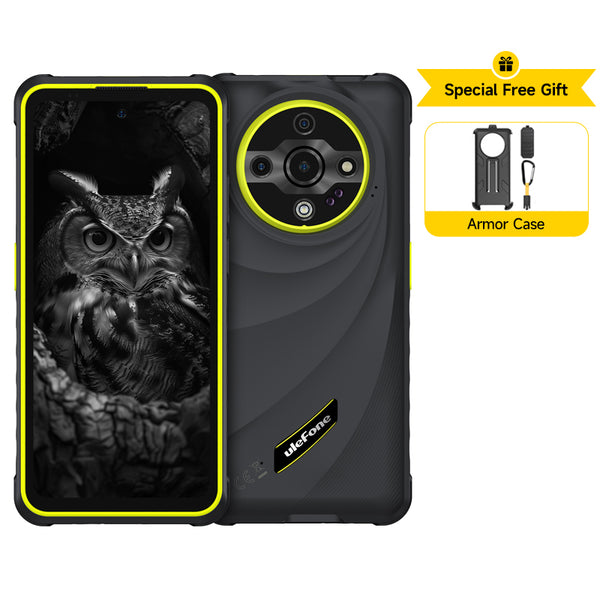
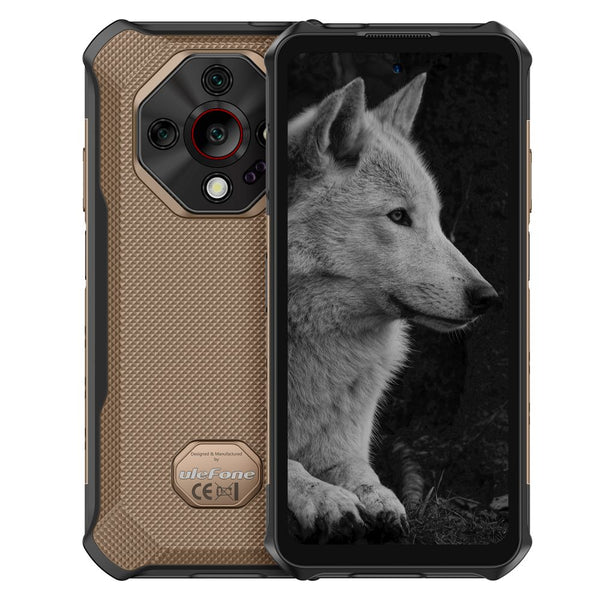
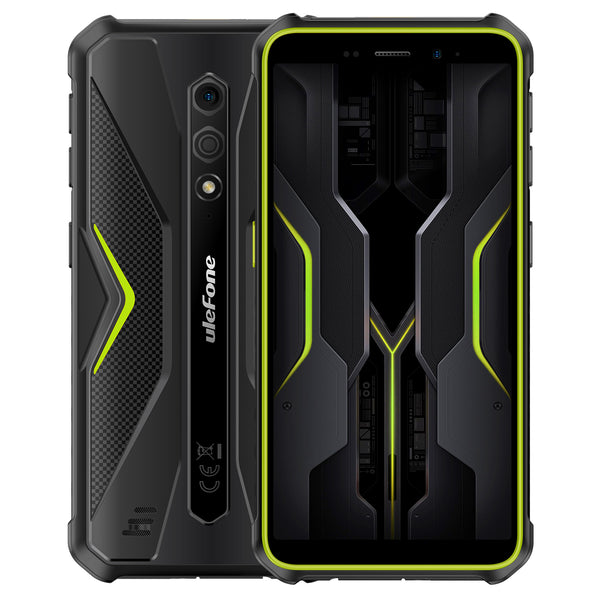
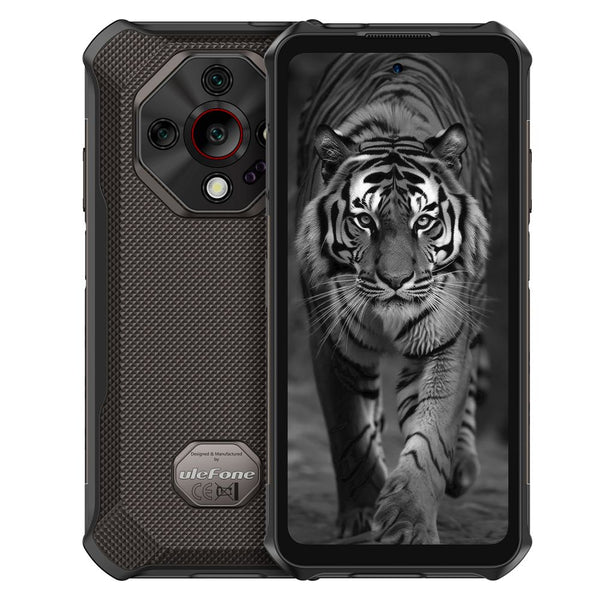


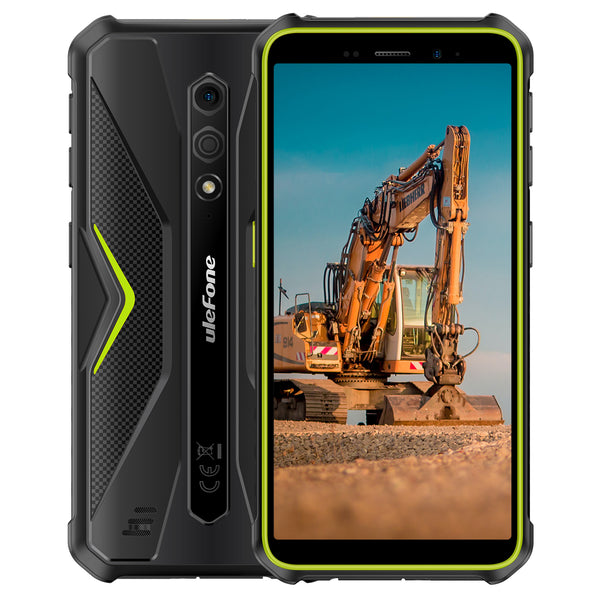


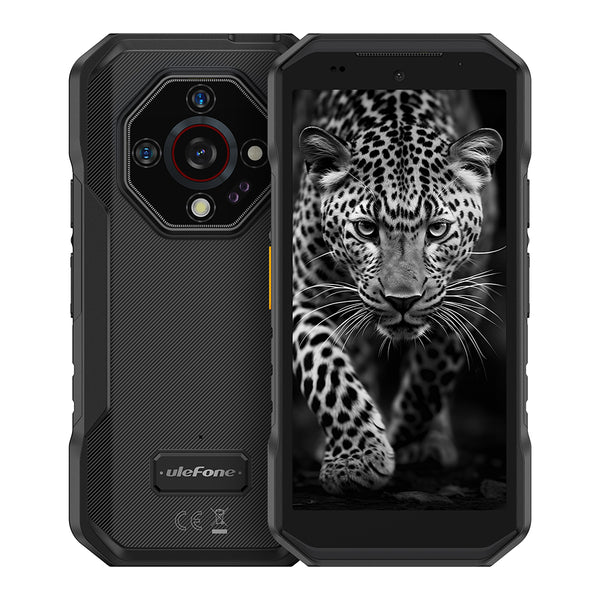


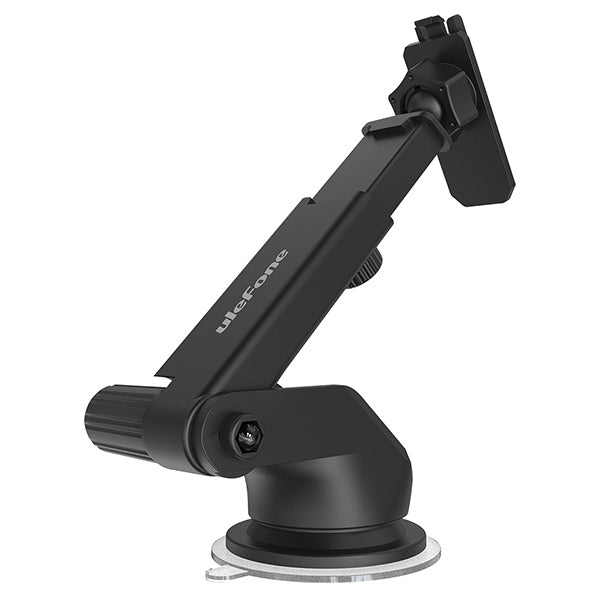


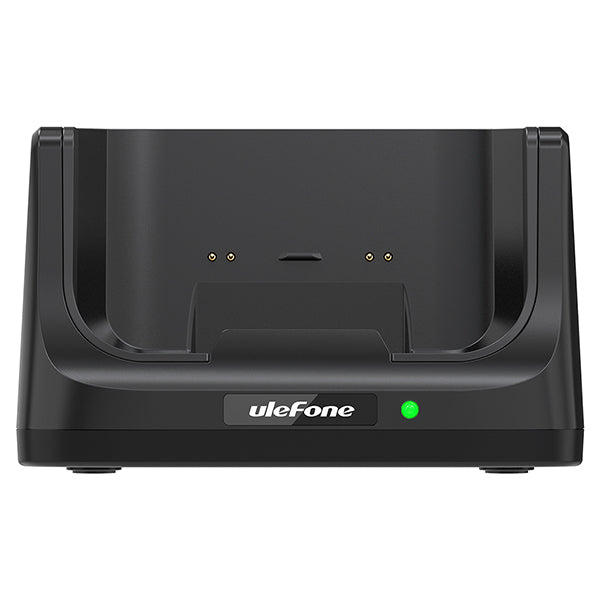


Buying your first rugged phone is different from buying any other phone. You're not comparing megapixels or bezel sizes — you're asking one question: whether the durability matches the description, and where the honest limits are. Most reviews answer with spec tables. This guide answers with what actually happens when a rugged phone goes through real days, how it compares with a normal flagship in a protective case, and which model earns its price for your particular use. Ruggedized phones start from a different design brief, and a durable smartphone costs more than a normal one — there's a good reason for that.
What a Durable Smartphone Actually Is
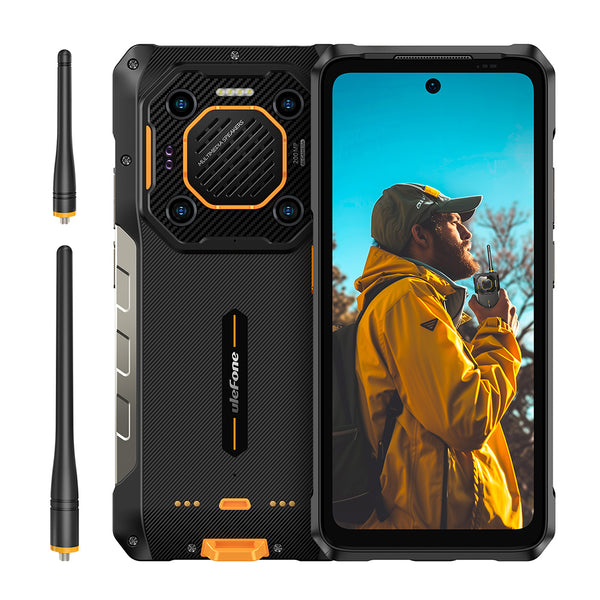
A durable smartphone isn't a normal phone squeezed into a thicker shell. The build is different from the ground up: the frame is a shock-absorbing skeleton, the display sits below the edge of the bezel instead of flush with it — so a face-first drop lands on plastic, not glass. The corners are shaped to take an impact first. That's why a rugged phone is built to outlast a normal one — the whole device is designed around impact and intrusion, not just styled for them.
The ratings tell you what each layer actually does. IP68 means the phone is dust-tight and can sit in fresh water under conditions the maker specifies — a depth and a time limit, and those numbers vary by model. IP69K adds resistance to high-pressure, high-temperature water jets, which matters if the phone gets washed down with a pressure washer. MIL-STD-810H is a military test method for drops, temperature swings, and vibration — not a guarantee, but a lab result you can check. That's the short version of IP68 vs IP69K: one is about submersion, the other is about washdowns, and neither means the phone is indestructible.
Then there's the battery, and this is the spec most people underestimate. Where a normal flagship fits roughly 5,000mAh, a durable phone starts around 10,000mAh and the heavy hitters push past 20,000mAh. That's not a bigger number for the spec sheet — it changes the rhythm of your week. Charge overnight, use it through the day, repeat. The trade-off is bulk: 400g-plus is typical, and the biggest models push past 700g. It takes a day or two to stop noticing.
Ruggedized Phones vs a Flagship in a Case
The honest comparison isn't ruggedized vs rugged — both words describe the same category of phone. The comparison people actually make is a rugged phone against a flagship in a heavy case, and that's where the difference shows up.
A flagship plus an OtterBox-style case costs real money — the case alone runs $40-70 — and it adds bulk without solving the battery problem. The rugged vs OtterBox question usually comes down to what breaks: a case helps with drops, but a normal phone's glass is still exposed at the screen, the charging port still takes in dust, and the battery is still 5,000mAh. A rugged phone seals all of that into the design.
Then there's the removable-battery question. Light, serviceable rugged phones like the Samsung XCover series let you swap a battery in the field; big-battery bricks like the Ulefone models here do the opposite — endurance you don't have to manage instead of hot-swappable cells. The XCover vs Ulefone choice is really about your day.
What to Check Before You Buy
Keep the checklist short, and go in knowing how you'll actually use it.
Protection depth first. Look for IP68/IP69K plus military-standard drop testing — and keep in mind the rating describes the tests it passed, not a promise of indestructibility.
Battery or a swappable battery second. 10,000mAh handles a full day easily; 20,000mAh-plus stretches well beyond it in normal use. If you'd rather not carry the weight, a serviceable battery like the XCover's is the alternative. Fast charging matters too — 120W turns a coffee stop into a real top-up instead of an hour at a wall socket.
Weight third, honestly. 400g is noticeable; 700g is a brick in a pocket. Know which you'll actually carry every day.
Screen brightness fourth if you work outside. 600 nits handles indoor use; 2,000-plus nits keeps the screen legible under direct sunlight.
Then the extras — the LED, night vision, sub-display — and skip what you won't actually put to work.
How the current contenders line up:
|
Model |
Battery |
Charging |
Weight |
Price |
Standout Feature |
|
Ulefone Armor 29 Ultra |
21,200mAh |
120W |
688g |
$1,049.99 |
1-inch camera + 2200-nit dual AMOLED |
|
OUKITEL WP500 Ultra |
10,000mAh |
45W |
414.3g |
$849.99 |
Thermal camera + 1TB storage |
|
DOOGEE V Max 2 Pro |
22,000mAh |
120W |
635g |
$859.00 |
200MP camera + 1,000-lm camp light |
All three sit in the same flagship tier — roughly $850 to $1,050 at their official stores — so the comparison is fair. The OUKITEL WP500 Ultra is the light one at 414g with a thermal camera, but its 10,000mAh battery is less than half the size of the Armor's. The DOOGEE V Max 2 Pro matches the Armor's 120W charging with a 22,000mAh battery, a 200MP main camera, and a 1,000-lumen camping light. Which one is "best" depends on what you're optimizing for — which is exactly the point of the next section.
The Toughest Phone Depends on the Failure
Ask three people what the toughest phone 2026 is and you'll get three answers, because "toughest" splits into different failure modes.
If your failure is running out of power, the toughest phone is the one with the biggest battery — the 22,000mAh DOOGEE or the 21,200mAh Ulefone beat everything else in this group. If your failure is a cracked screen, a lighter phone with military-rated drop protection might be the smarter pick — 414g is a lot easier to hold onto than 688g. If your failure is missing a shot, the phone with the 1-inch sensor and the night-vision camera wins, because no armor helps when the photo is already gone. And if your failure is a phone that slows down by the end of a long day, the chipset matters more than the rating.
That's why a single "toughest" ranking is misleading. What you actually need is the most durable smartphone for your specific failure mode — and once you know yours, the choice narrows fast.

Ulefone Armor 29 Ultra
For my money, the Ulefone Armor 29 Ultra is the most complete rugged phone of the group — not the lightest, not the cheapest, but the one that covers the most failure modes at once.
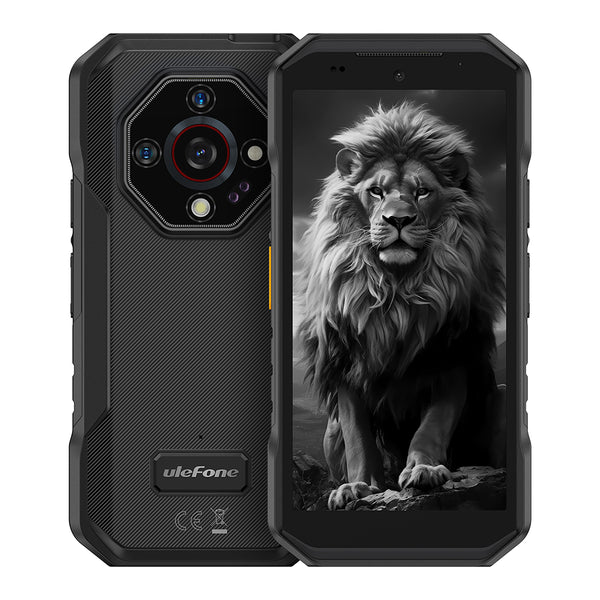
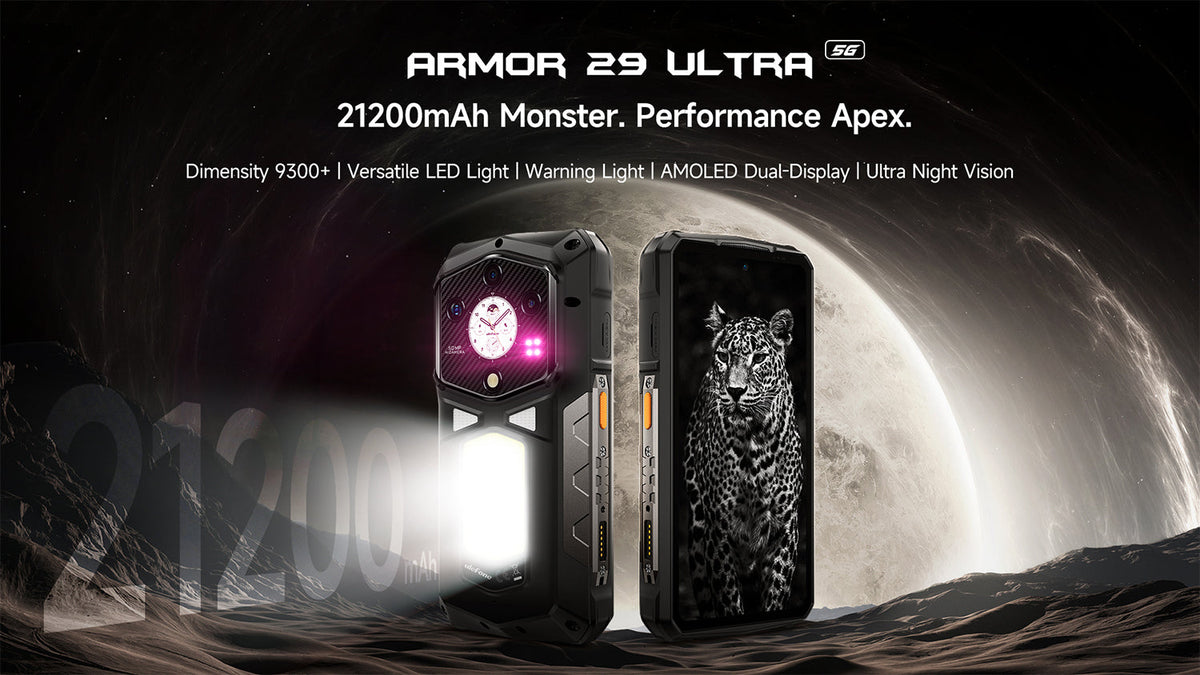
Start with the battery: 21,200mAh with 120W flash charging — among the fastest charging setups you'll find on a rugged phone — plus 10W reverse charging to top up earbuds or a smartwatch in the field. Under the hood is a Dimensity 9300+ chipset with 16GB of RAM and 1TB of storage running Android 15, so it keeps up with current flagships in day-to-day use. The 6.67-inch AMOLED display hits 2200 nits peak brightness, which is the difference between seeing your screen and squinting at it in full sun, and there's a 1.04-inch rear sub-display for notifications without touching the main screen.
The camera is where this phone separates itself. A 1-inch Sony IMX989 50MP main sensor — the same class of sensor you find in premium camera phones — handles 8K video and low-light shots, and the 64MP night-vision camera shoots in near-total darkness. The 50MP ultra-wide and 50MP selfie camera round out a quad setup that would look at home on any camera-focused flagship.
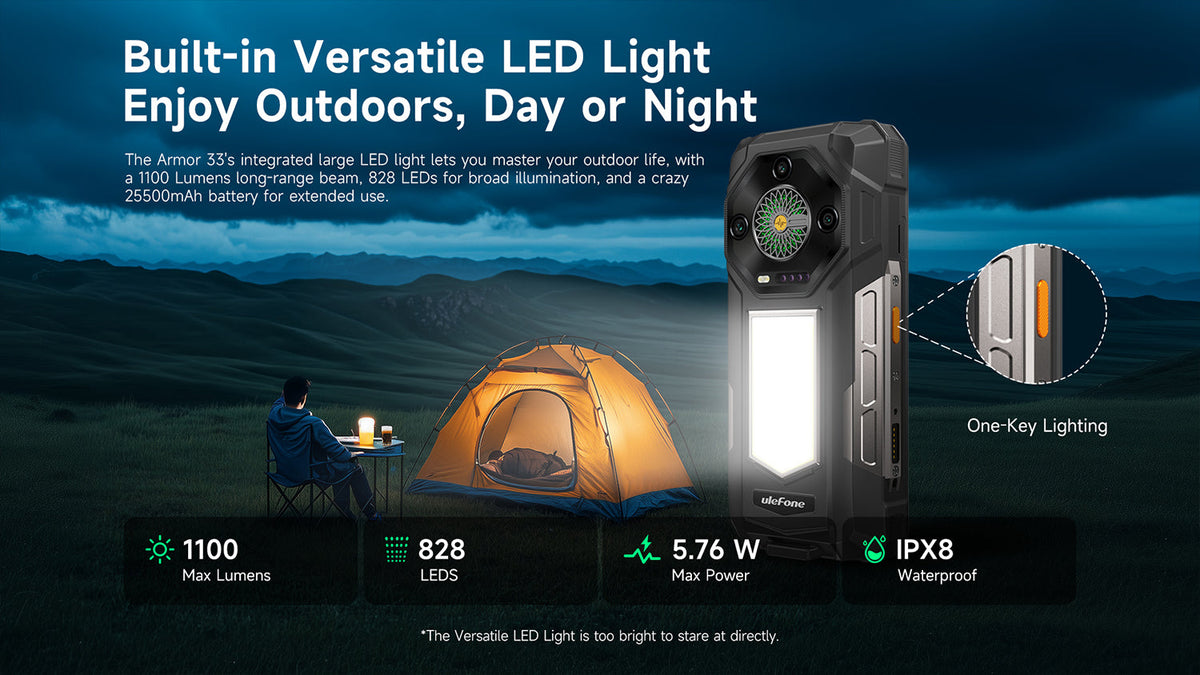
Outdoors, there's a 1,000-lumen camping light with red/blue warning modes for emergencies. Protection is IP68/IP69K with MIL-STD-810H certification and Gorilla Glass 3 on the display. It's heavy at 688g — that's the price of the battery and armor — but it's built to outlast the alternatives. At $1,049.99 it's not cheap, but compare it against a fragile flagship plus a case plus a power bank plus a separate camera and the math changes.

Common Questions, Straight Answers
**Is a protective case enough, or do I need a rugged phone?** If drops are your only problem, a good case on a normal phone goes a long way. If dust, water, battery life, or work conditions are part of the picture, a case doesn't fix any of those — it just adds bulk. That's the rugged vs case answer in one line.
**Do I have to trade performance for durability?** Not anymore. Current rugged phones run proper mid-range and flagship chips — the Armor 29 Ultra's Dimensity 9300+ is the same class of silicon you'd find in a modern flagship. "Slow" is a reputation this category has mostly outgrown.
**How often do I need to charge it?** Nobody honest quotes exact days, because screen time and signal strength change everything. What's consistent is the rhythm: a 10,000mAh phone gets you through a full day of normal use, and a 21,200mAh phone like the Armor 29 Ultra usually means charging every other day rather than daily. Most people who switch drop the power bank from their bag within a week.
**What do I give up?** Weight and thickness — and honestly, low-light photography compared with the very best camera flagships, though the 1-inch sensor here closes most of that gap. The trade is that ruggedized phones are built to survive what usually kills a normal one — which is exactly the point.
The Bottom Line
Here's the honest math. Fixing a cracked screen on a normal flagship runs $200-300, and a battery that dies by afternoon means carrying a power bank or replacing the phone early. A rugged phone collects that cost up front — and then stops asking for it. If drops, weather, or long days are part of your routine, the Armor 29 Ultra is the durable smartphone that makes a serious drop a lot less likely to end in a repair bill.


Leave a comment
All comments are moderated before being published.
This site is protected by hCaptcha and the hCaptcha Privacy Policy and Terms of Service apply.