


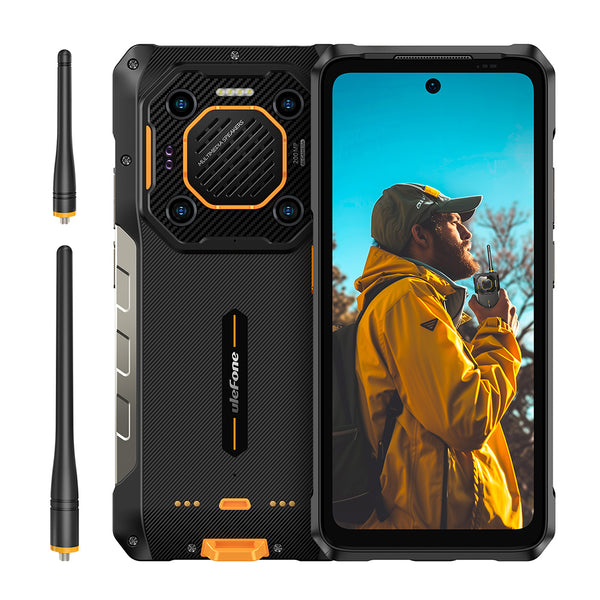


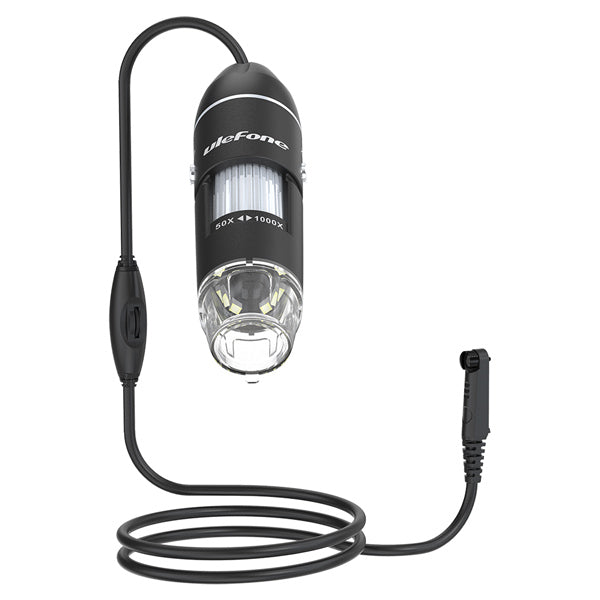
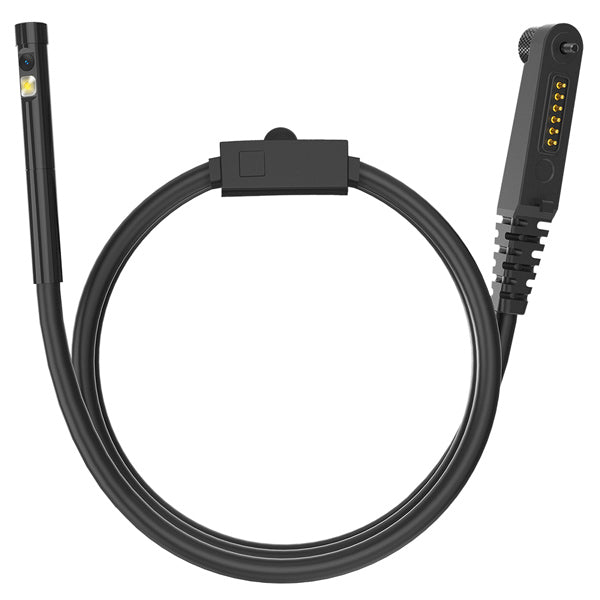


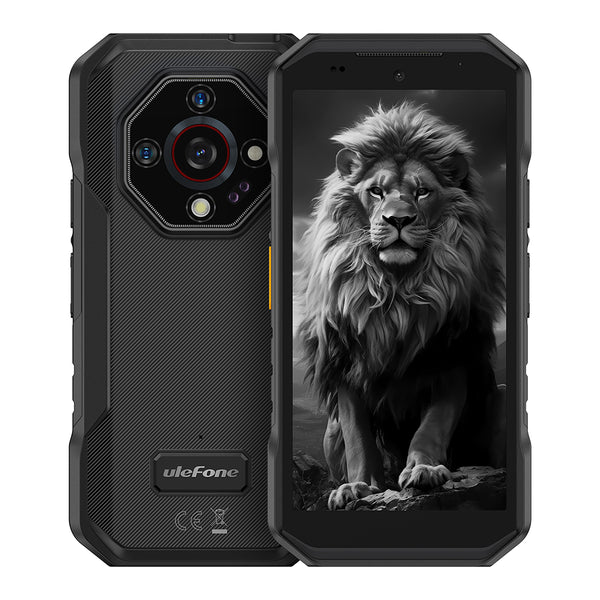
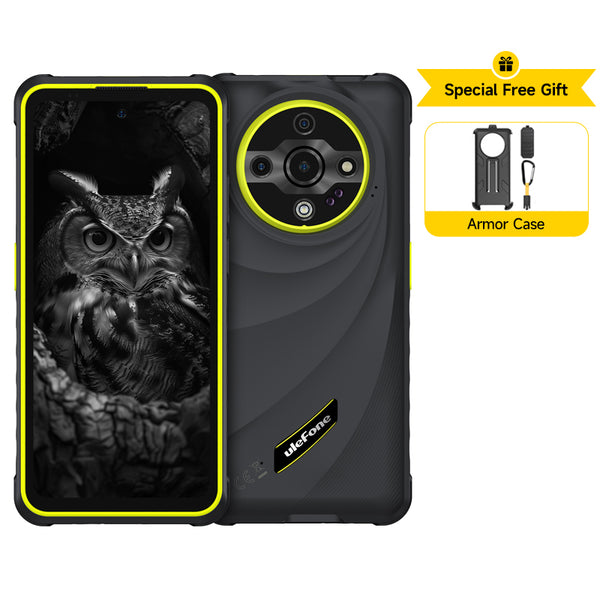
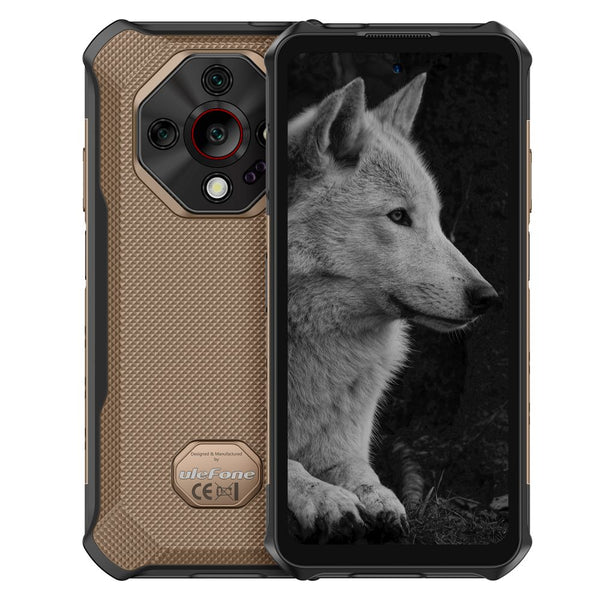
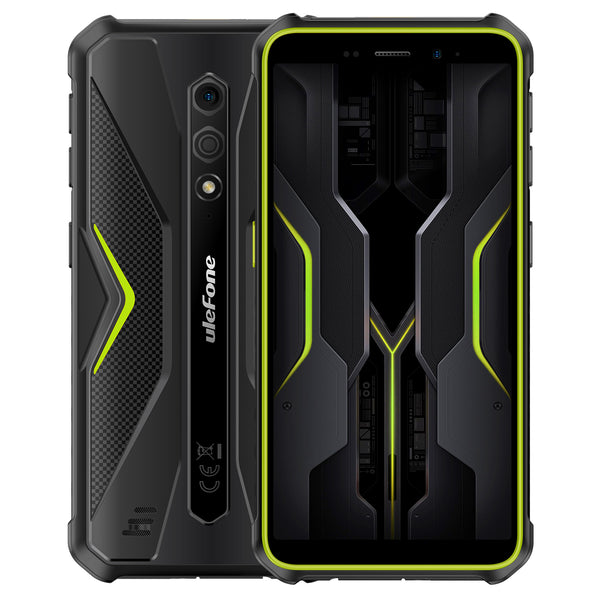
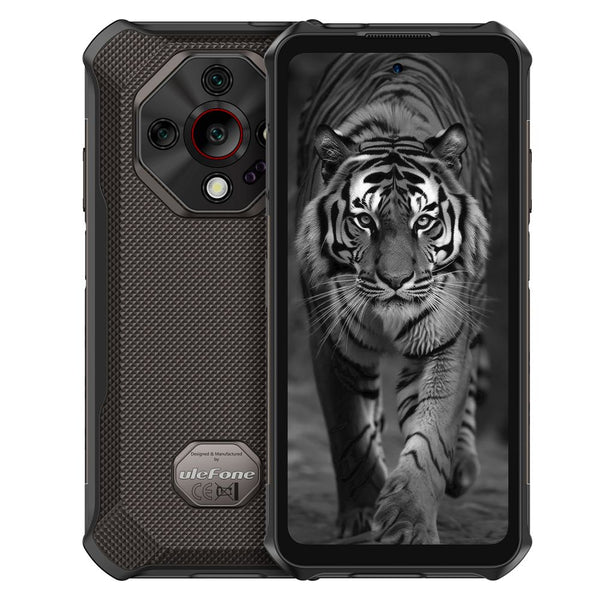











Search "work phone" and the top results are almost funny. Pixel for Business. The Galaxy S range. The iPhone 17 Pro Max. IT departments buy these by the thousands, lock them down, hand them out at onboarding, and call it a day.
They're not wrong. For a desk job, a flagship is exactly what you want. It's fast, the screen is lovely, and every enterprise app you'll ever install runs on it without a hiccup.
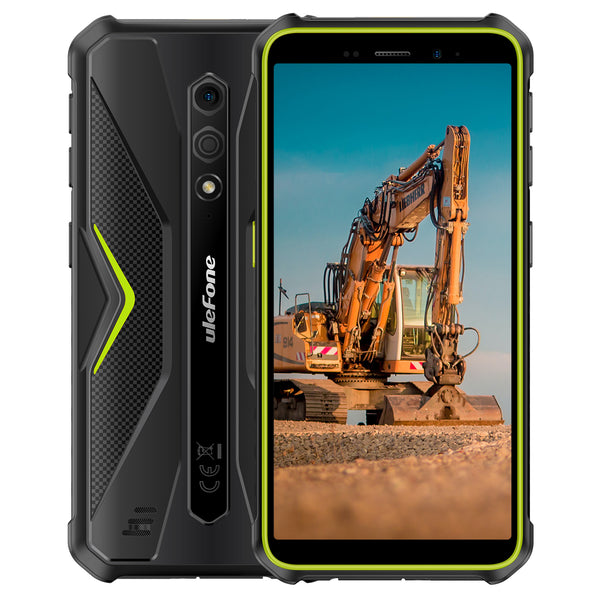
The catch is that not everyone works at a desk. If your day involves a hard hat, a tool belt, a truck, or a roof, the phone that survives a boardroom meeting doesn't survive a concrete drop. I've worked with enough electricians, plumbers, and site foremen to know how this plays out: they buy a nice flagship because it's what everyone recommends, and six months later it's wrapped in a cracked-screen screen protector and held together with a case that barely contains it. If you've ever shopped for a work mobile phone that actually lives through a Tuesday on site, you already know the feeling.
This guide starts where the Google results start — with what flagships actually do well as work phones. Then it gets honest about where they fall apart, and why a rugged phone like the Ulefone Armor 28 Ultra Thermal ends up being the more sensible phone for work on a real job site.
What Flagships Actually Do Well
Let's not trash flagships. They're the default for a reason.
Raw speed is the obvious one. An A19 Pro, Snapdragon 8 Elite, or Tensor G4 chews through cloud apps, video calls, and sprawling PDF work orders without pausing. If you're bouncing between a CRM, a calendar, a Slack group, and a video call from the front seat of a truck, that smoothness is what keeps you from looking like you're fighting your own phone.
The screen matters more than people expect. A 2,000-nit OLED panel out in direct sunlight is the difference between reading a blueprint and holding the phone at an angle like you're trying to hide it. Add a 120Hz refresh rate and scrolling through long inspection reports stops feeling like a chore.
Cameras on flagships are genuinely useful on a job. You snap the serial plate, the finished tile, the leak you're about to bill for, and send it off — and the photo is clear enough that the office doesn't call you back asking for another.
Battery is fine too. A modern flagship makes it through a normal shift, and 20 minutes at a charger gets you back to half.
So: office, sales route, finished-building inspections — a flagship is the right call. The trouble starts when the environment stops being polite.
What Goes Wrong Out on Site
I've seen the same pattern play out on enough jobs.
The drop is the big one. A Gorilla Glass phone shrugs off a waist-high fall onto carpet. It does not shrug off the same fall onto rebar, a steel stair, or the bed of a dump truck. Cracked screens on construction sites are a standing joke, and I've watched guys drop $1,200 phones onto concrete like it's just Tuesday. A repair that costs $300 is already more than a cheap rugged phone.
Then there's dust and water. Flagships survive splashes. They don't survive a day of sawdust in the charging port, a pressure washer kicked on nearby, or a coffee spilled into the center console. That slow creep of grit into every seam is how a perfectly good iPhone becomes a paperweight twelve months in.
The bigger thing nobody talks about is what flagships *can't* do. They don't have a thermal camera. They don't have night vision. If you're an electrician trying to trace an overheating breaker in a panel, a plumber hunting for a hot-water leak behind a plaster wall, or an inspector checking whether the insulation in a new build is actually there, you're either carrying a second tool — a $500 thermal camera — or you're guessing.
That's the gap. Rugged phones aren't worse flagships. They're tools built for a different job.
What a Rugged Phone Brings That a Flagship Doesn't
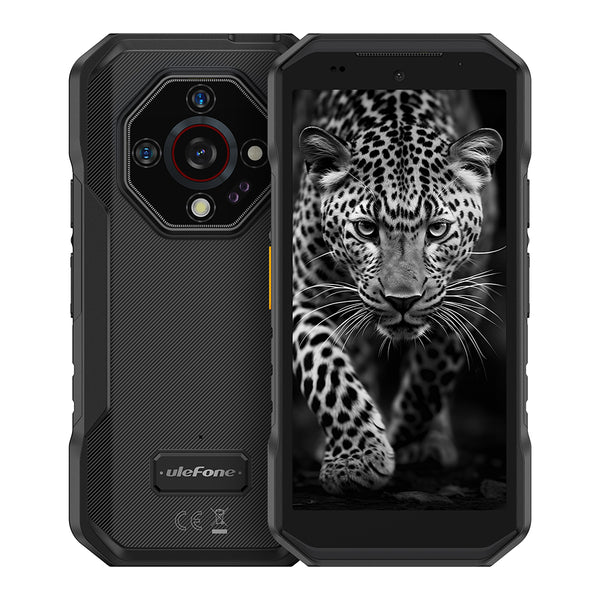
A phone like the Armor 28 Ultra Thermal doesn't ask you to give up the flagship stuff. It keeps the fast chip, the bright AMOLED, the good main camera — and bolts on the things a site actually needs.
IP68 and IP69K plus MIL-STD-810H means rain, dust, immersion, and drops are just part of the day, not a reason the phone stops working. The built-in ThermoVue T2 sensor (640×512, 25Hz) is the headline feature: point it at a breaker panel and you can see which circuit is running hot, point it at a wall and you can spot a hidden pipe or a missing insulation gap. No second tool, no guessing.
Then there's a 64MP OV64B infrared camera that works in pitch black — useful in a crawl space, a basement, or after-hours inspections when you've only got the work light clipped to your hard hat.
And the battery. 10,600mAh with 120W wired and 50W wireless. A day of photos, calls, and thermal scans doesn't leave you panicking about outlets.

Our Pick: Ulefone Armor 28 Ultra Thermal
If you're reading this because you want a phone for work that actually lives on site, the Armor 28 Ultra Thermal is the one I'd point you to. It's one of the very few rugged phones that doesn't feel like a compromise.
Inside it's running a Dimensity 9300+ (4nm, up to 3.4GHz) with 16GB of RAM and 1TB of storage — that's flagship-tier silicon, not some slow entry-level chip. The 6.67-inch 120Hz AMOLED hits 2,200 nits, which is as bright as anything from Samsung or Apple, and there's a small 1.04-inch secondary screen on the back for glancing at notifications without opening the phone.
The main camera is a 50MP Sony IMX989 with a 1-inch sensor and f/1.9 — the same size of sensor you'd find in a proper flagship, capable of 8K video. It's good enough that documenting a finished install actually looks professional.
The thermal sensor measures from −20°C to 550°C with ±2°C accuracy, which is plenty for inspection and diagnostics. Charging is 120W wired and 50W wireless, and the whole thing is IP68/IP69K sealed with Gorilla Glass Victus on both screens. It weighs 450g — heavy by flagship standards, light compared with most big-battery rugged devices I've tried.
It's the phone I'd hand an electrician, a plumber, a home inspector, or a facilities manager. Flagship speed, flagship camera, plus two tools — thermal and night vision — that no iPhone or Galaxy includes at any price.

How It Stacks Up Against Flagship Work Phones
|
Model |
Chipset |
Display |
Main Camera |
Battery |
Rugged Rating |
Thermal / Night Vision |
|
Ulefone Armor 28 Ultra Thermal |
Dimensity 9300+ |
6.67" 120Hz AMOLED 2200 nits |
50MP IMX989 1-inch |
10,600mAh / 120W |
IP68/IP69K, MIL-STD-810H |
Yes (640×512 thermal + 64MP NV) |
|
iPhone 17 Pro Max |
A19 Pro |
6.9" ProMotion, 2,000+ nits |
48MP |
~5,000mAh |
IP68 only |
No |
|
Samsung Galaxy S26 Ultra |
Snapdragon 8 Elite |
6.9" 120Hz AMOLED |
200MP |
~5,000mAh |
IP68 only |
No |
|
Google Pixel 10 Pro |
Tensor G4 |
6.7" 120Hz LTPO |
50MP |
~5,000mAh |
IP68 only |
No |
The flagships are lighter (around 230g versus 450g), they have nicer software polish, and they hold resale value better. Fair enough. But once your work isn't at a desk, the trade flips: the Armor survives the drop, the rain, and the dust, and it adds the thermal and night-vision cameras that turn the phone from a communication device into something you actually diagnose problems with.
Quick Questions
**Flagship or rugged — which one for work?** If you're mostly in offices, trucks, and finished buildings, take the flagship. If you're on concrete, in mechanical rooms, or outside in weather, the Armor 28 Ultra Thermal is the call — and the thermal camera alone tends to pay for itself on the first real job.
**Can I use it as my everyday personal phone too?** Yes. It runs stock Android with Google services, Widevine L1, dual SIM, and all the normal apps. The only real compromise is the weight — 450g in a jeans pocket is noticeable.
**How accurate is the thermal camera?** It reads −20°C to 550°C to within ±2°C at 640×512. That's accurate enough for inspection work; it isn't medical-grade thermography.
Bottom Line
For office workers, the best work phone really is a Pixel, a Galaxy, or an iPhone — Google's top results aren't wrong about that. But for anyone whose job happens outdoors, on site, or in environments a flagship wasn't designed for, a rugged phone is a phone for work that no flagship can match. The Ulefone Armor 28 Ultra Thermal gives you flagship speed and a flagship camera, then adds thermal imaging, night vision, and an IP68/IP69K body that actually makes it through the workday.



Commenta
Nota che i commenti devono essere approvati prima di essere pubblicati.
Questo sito è protetto da hCaptcha e applica le Norme sulla privacy e i Termini di servizio di hCaptcha.