
















Two trips, two problems. On a city-break trip, I came home with hundreds of grainy photos — the kind where the food looks meh and the architecture shot is out of focus. On a backroad camping trip, I came home with a dead phone by day three and a cracked screen from dropping it on rock.
After a few more trips, the pattern was obvious: a single travel phone has to compromise. You either carry a camera phone that can't survive a drop, or a tank that takes boring photos. The smarter move I've landed on is matching the phone to the kind of traveler you are on this particular trip.
Below are the two I now pack, depending on where I'm going.
Why One Phone Isn't Enough on the Road
The reason I stopped trying to pick a single best phone for travel is that "travel" covers two completely different jobs. On a city break, your phone is a camera, a map, a translator, and a boarding-pass holder — all used on cafe tables and cobblestones. The worst thing that happens is a cracked screen. On a camping trip, your phone is a survival tool, a light source, and a lifeline — used in rain, dust, and on rock. The worst thing that happens is a dead phone with no outlet for three days.
A phone that compromises between those two roles compromises at both. So I stopped compromising.

The City Trip: Armor 28 Ultra
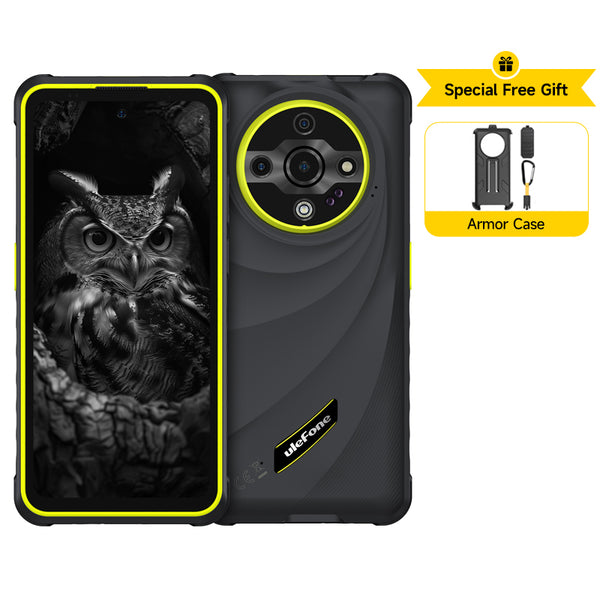
If your trip is cities, food, museums, and street photography — and you want the photos to actually do the trip justice — the Armor 28 Ultra is the best phone for travel of this kind.
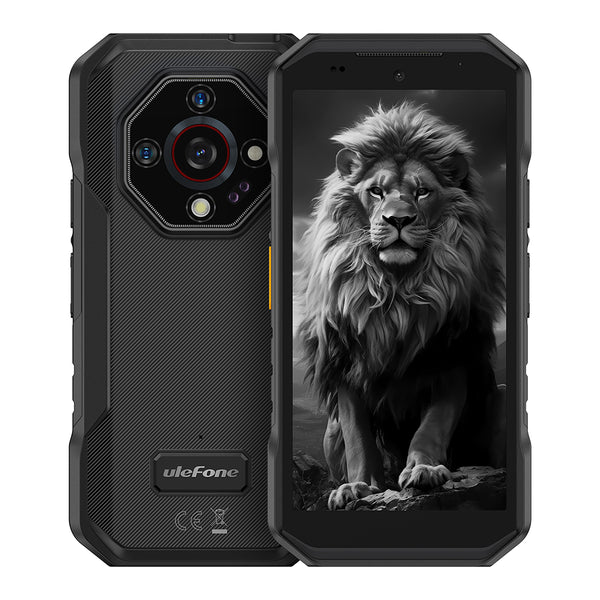
It's basically a flagship camera phone that's also rugged. The 50MP Sony IMX989 1-inch main sensor is the headline: 8K video, sharp low-light street shots, and a 64MP night-vision camera plus a 50MP ultrawide for wide scenes. For a traveler who actually photographs the trip, that's the whole argument. The 6.67-inch AMOLED screen peaks at 2,200 nits — bright enough to check photos in direct sun, and the always-on display means quick glances at the time and boarding pass without unlocking.
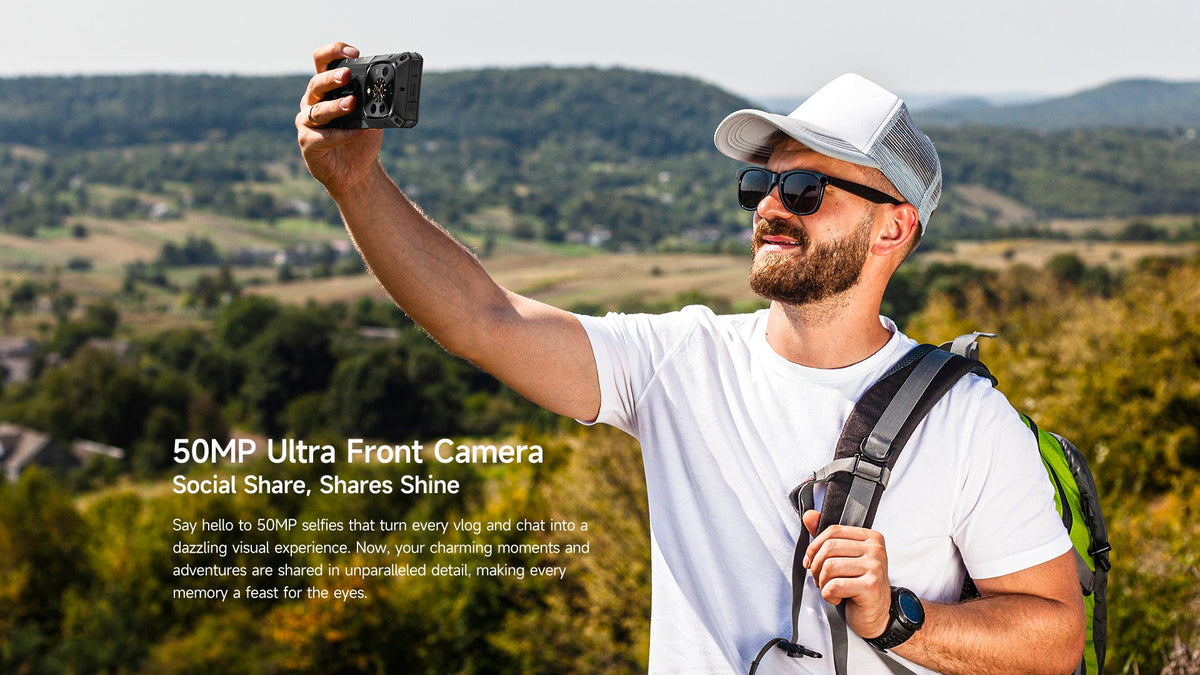
And because it's a travel phone, it doesn't punish you for the chaos of a trip: Gorilla Glass Victus, sealed against rain and drops, 10,600mAh battery, and 120W charging that gets you from near-empty to full over a short café stop. It even does 50W wireless charging, so on a hotel desk it just sits on a pad instead of hunting for the right cable. 16GB RAM and 1TB storage means every photo and download from the trip fits, and the secondary rear screen doubles as a live viewfinder for selfies.
It's 450g — heavier than a slim flagship, but light compared with the rugged behemoths below.
The travel details are what make it. On a hotel desk, the 50W wireless charging means it just sits on a pad — no fumbling with cables in a dark room. At airport lounges, the always-on display shows the boarding time without waking the phone. The secondary rear display flips the camera around for better selfies in front of landmarks. And 1TB of storage means you never delete photos mid-trip to make room — a tiny luxury that stops being tiny by day ten of a two-week vacation.
For international trips, dual SIM is quietly one of the most useful features: a local data SIM for the country you're in, plus your home SIM still active for calls and texts — no more carrying two phones or swapping cards in a hostel at midnight. The 10,600mAh battery also means you're not hunting for an outlet on a day of museums and walking: a full charge easily covers a full day of navigation, photos, and transit. On a city break, that kind of battery peace of mind is worth more than the extra 50 grams.

The Wild Trip: Armor 27T Pro+
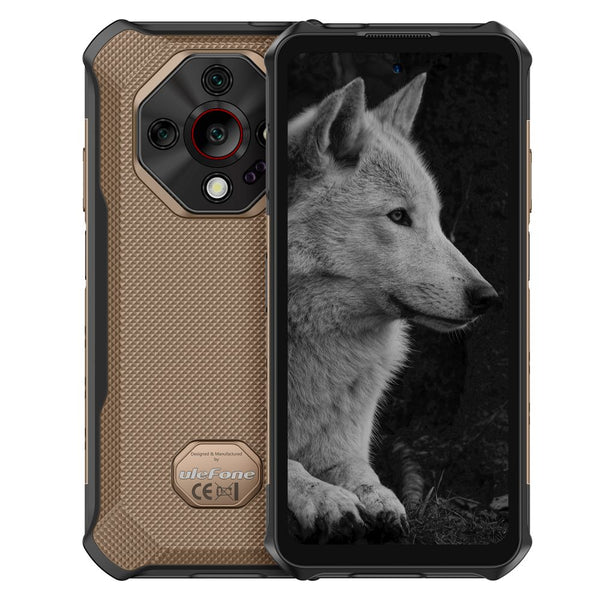
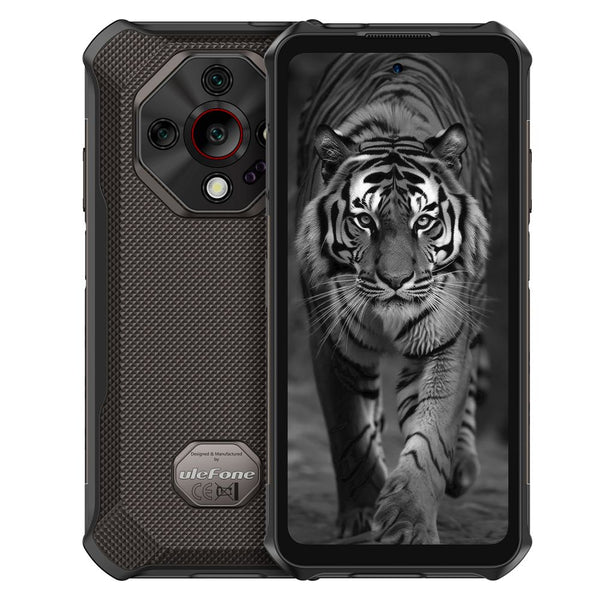
If your trip is the other kind — national parks, backroads, campsites, places with patchy signal — the Armor 27T Pro+ is the outdoor phone that earns its keep.
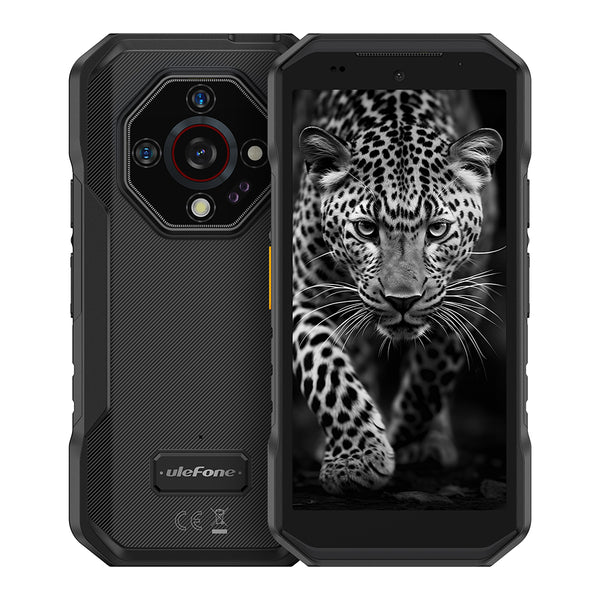
The difference is the FLIR thermal camera built into the back. It sounds like a gimmick until you need it: finding cold spots in a tent at night, checking that a camp stove burner is actually off, spotting wildlife warmth in the dark, or just impressing everyone at camp. Combined with the 64MP night-vision camera, this is the phone that turns after-dark camping from "use a flashlight" into "actually see things."
The travel practicals are there too: 10,600mAh battery for multi-day hikes, 33W charging plus 30W wireless, 5G for when you do get signal, and a 50MP main camera for daytime landscapes. At 441g, it's light enough to carry all day, and the IP68/IP69K sealing means rain, river spray, and beach dust are all handled. It's the kind of outdoor phone you can drop on rock, leave out in a storm, and pull out still working.
Practical trips perks: 30W wireless charging means a pad in the tent or truck cab keeps it topped without plugging in, and it reverse-charges smaller gear — your earbuds, your GPS watch. Dual SIM works the same way on the road: keep your home number active for the occasional call while using a local data SIM for navigation in national parks. For anyone who's spent a trip rationing every percentage on the phone, that combination of big battery and sealed build is what turns a camping trip into something you don't stress about.
Which One Goes in Your Bag?
- **Cities, food, photography, cafes →** Armor 28 Ultra. The camera and AMOLED screen make every photo look like the trip felt.
- **National parks, camping, backroads, low power access →** Armor 27T Pro+. The thermal and night-vision cameras are genuinely useful in the wild, not just gimmicks.
- **Can't decide?** Be honest about how you'll use it. If you're mostly walking cities with outlets everywhere, you don't need thermal imaging. If you're three days from a plug, you don't need a 1-inch camera sensor.
Frequently Asked Questions
**Can I use a regular flagship for travel photos instead?** Yes, and the photos will be slightly better. But one drop on cobblestones or one splash from a water taxi and you're carrying a paperweight in a foreign country. The rugged tax is the peace of mind.
**Do I need thermal imaging on vacation?** Probably not — but night-vision definitely does. Campsites, evening walks, restaurants with dim lighting: the 64MP night-vision camera takes usable photos where a flagship's main sensor is just noise.
**Is a waterproof phone safe for the beach or pool?** Sealed IP68/IP69K phones handle beach spray and splashes, but rinse with fresh water after saltwater or chlorine exposure, dry the ports, and don't take it swimming. Protection also weakens gradually as the seals age.
How They Compare
Here's how the two picks compare with two other rugged phones travelers consider:
|
Model |
Battery |
Charging |
Camera Standout |
Travel Highlight |
|
Ulefone Armor 28 Ultra |
10,600mAh |
120W + 50W wireless |
50MP IMX989 1-inch, 8K |
AMOLED 2200 nits, rear display |
|
Ulefone Armor 27T Pro+ |
10,600mAh |
33W + 30W wireless |
FLIR thermal + 64MP night vision |
Thermal imaging for the wild |
|
DOOGEE V Max S |
22,000mAh |
33W |
108MP |
1000-lumen camping light |
|
OUKITEL WP30 Pro |
11,000mAh |
120W |
108MP |
Fast charging |
The Armor 28 Ultra wins on image quality and screen; the Armor 27T Pro+ wins on what it can see in the dark. The DOOGEE and OUKITEL are solid alternatives, but neither pairs a great travel camera with the protection both Ulefones offer.
For a best phone for travel that matches the trip in front of you, choose the camera — or choose the thermal. Either way, it survives the journey.



Commenta
Nota che i commenti devono essere approvati prima di essere pubblicati.
Questo sito è protetto da hCaptcha e applica le Norme sulla privacy e i Termini di servizio di hCaptcha.