






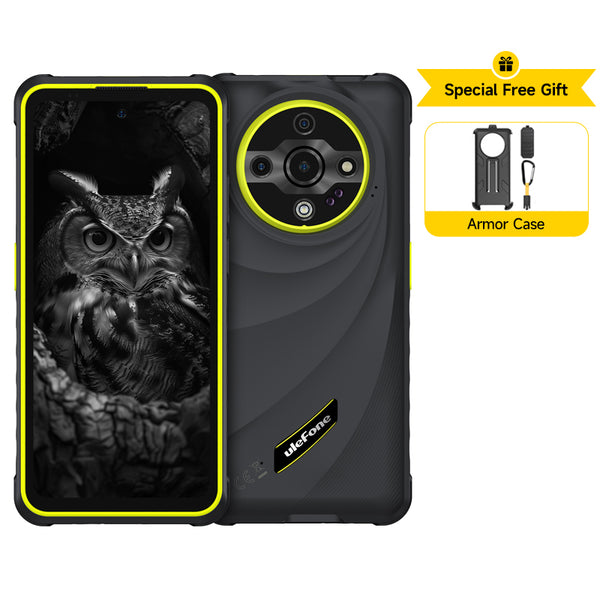
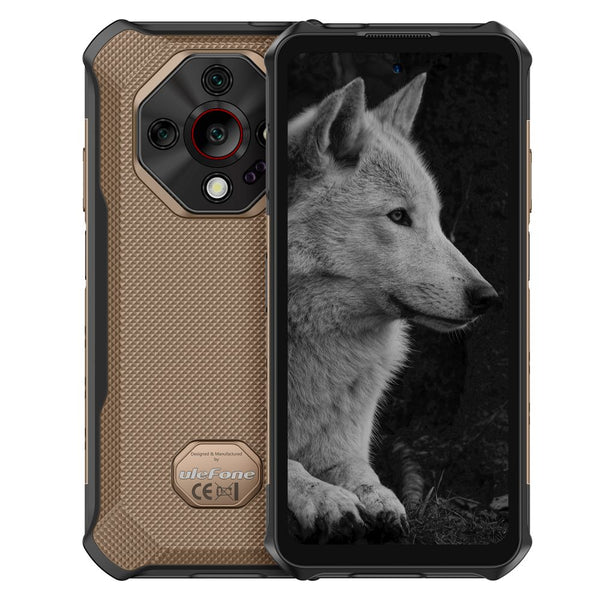
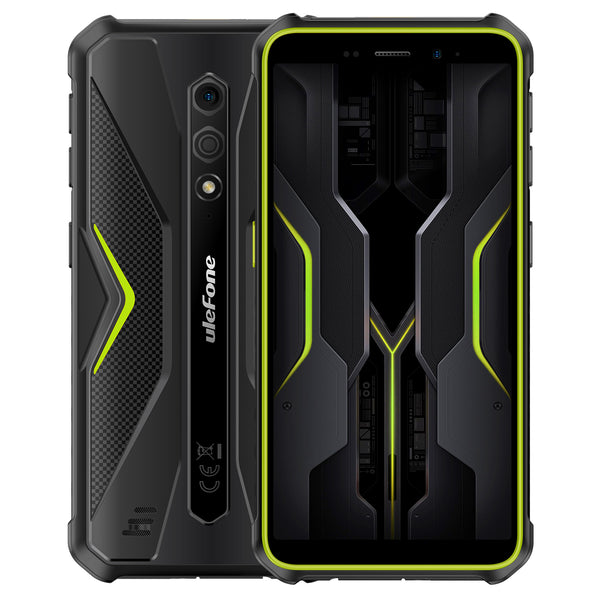
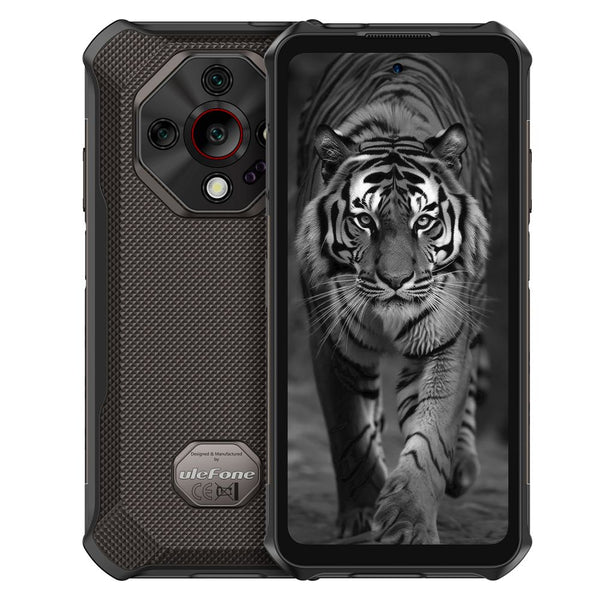










If you've ever watched your phone hit 20% by lunchtime, you already know: the "all-day battery" marketing line means roughly what the manufacturer wants it to mean. PhoneArena's real-world battery tests — browsing, video, and gaming back-to-back — show just how thin flagship endurance really is in 2026.
Below is what independent testing actually shows for the best-selling phones this year, followed by where the rugged big-battery phones fit in — because once you see the gap, the category stops looking like a niche and starts looking like the answer.
What Flagship Battery Life Actually Looks Like
PhoneArena's test runs each phone through the same workloads: a mixed-use estimate, continuous web browsing, continuous video playback, and continuous gaming. Here are the 2026 results that matter:
|
Phone |
Battery |
Estimated |
Browsing |
Video |
Gaming |
|
OnePlus 15 |
7,300mAh |
10h 44m |
30h 6m |
12h 37m |
14h 16m |
|
OPPO Find X8 Ultra |
6,100mAh |
8h 56m |
23h 36m |
11h 1m |
12h 47m |
|
Apple iPhone 17 Pro Max |
5,088mAh |
7h 46m |
20h 9m |
9h 37m |
11h 34m |
|
Samsung Galaxy S26 Ultra |
5,000mAh |
7h 53m |
20h 10m |
9h 54m |
11h 49m |
|
Google Pixel 10 Pro |
4,870mAh |
7h 17m |
20h 55m |
10h 18m |
4h 36m |
|
Google Pixel 10 |
4,970mAh |
7h 16m |
21h 0m |
10h 0m |
5h 1m |
|
Google Pixel 10 Pro XL |
5,200mAh |
6h 58m |
19h 41m |
10h 0m |
4h 35m |
Read that carefully. The "best" battery in the flagship world — the OnePlus 15 at 7,300mAh — delivers about 10 hours of mixed use. The iPhones and Galaxies most people actually buy deliver 7–8 hours. That's a workday. Not a weekend, not a road trip — a workday.
For anyone whose day includes GPS navigation, hotspot sharing, field photos, or remote sites with no outlets, that's not enough. It's why power banks became a standard pocket item. It's also why the biggest battery phone category exists.

Why mAh Isn't the Whole Story
Honest caveat first: capacity doesn't equal runtime. A more efficient chip can stretch a smaller battery further, and a brighter screen or 5G pulls more power. PhoneArena's numbers show this — the Pixel 10 Pro XL has a bigger battery than the iPhone 17 Pro Max but scores lower on the mixed-use estimate.
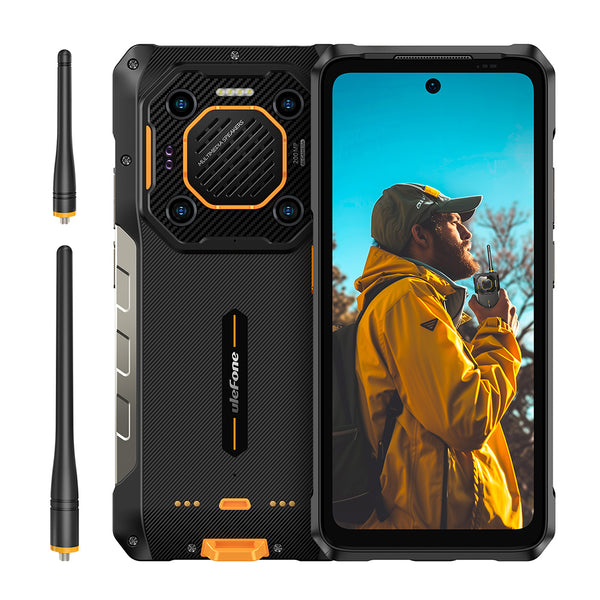
But once you cross into five-digit territory, the math stops mattering. A 25,500mAh cell isn't "slightly bigger" than a 5,000mAh one — it's five times the capacity. Even at half the efficiency, it wins. That's the category the Ulefone Armor 34 lives in.
The Biggest Battery Phones You Can Buy
Here's where the big-battery rugged phones sit against the flagships above:
|
Phone |
Battery Capacity |
Fast Charging |
Weight |
|
Ulefone Armor 34 |
25,500mAh |
66W |
763g |
|
DOOGEE V Max S |
22,000mAh |
33W |
~620g |
|
Blackview BV9300 Pro |
15,080mAh |
33W |
~520g |
|
OUKITEL WP30 Pro |
11,000mAh |
120W |
~467g |
|
*Flagship reference* |
*5,000–7,300mAh* |
*25–65W* |
*200–250g* |
The Armor 34 isn't just ahead of the flagships — it's ahead of every other rugged phone too. 25,500mAh is roughly 3.5x the iPhone 17 Pro Max's cell. Ulefone rates standby at about 1,380 hours; real-world mixed use depends on workload, but "days, not hours" is the experience.
The Best Battery Phone for Work: Ulefone Armor 34
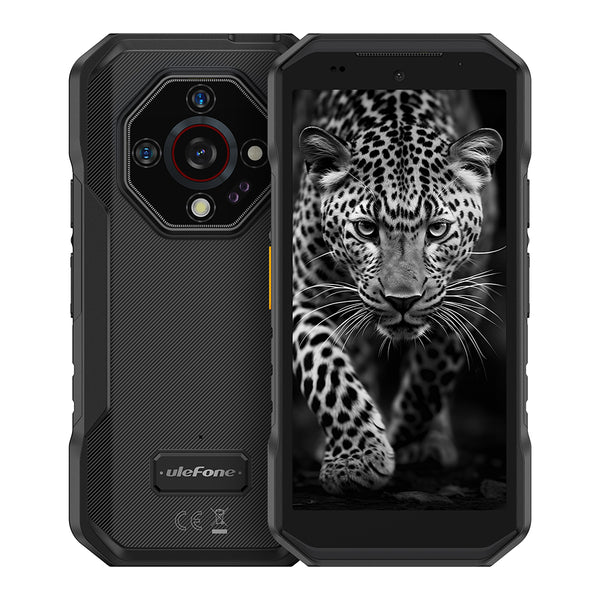
If you want a best battery phone that doesn't make you plan your day around charging, the Armor 34 is the pick. The 25,500mAh battery is the centerpiece: multi-day field work, long shifts, constant GPS or hotspot use — the phone keeps going when everything else has given up.
The rest of the package earns its keep. Dimensity 7300 chipset runs Android smoothly, the 1100-lumen LED light with SOS mode covers you at night, and the red-and-blue warning light adds a safety touch on site. It's IP68/IP69K and MIL-STD-810H, so rain, dust, and drops don't end your workday. Yes, it weighs 763g — the honest trade for the biggest battery phone you can buy. Most people stop noticing the weight after a day; they never stop noticing the battery.

Fast Charging Changes the Math
A huge battery helps, but fast charging makes it practical. The Armor 34's 66W wired charging tops up a 25,500mAh cell surprisingly quickly for its size — a lunch break gets you enough power for the rest of the day.
The scenario that sold me: a two-day job with no electricity on site. Day one, the phone sat at 80% after GPS, hotspot, and long calls. Day two, same workload, still above 40% when I packed up. I never once looked for an outlet. A flagship would have died by the first afternoon.
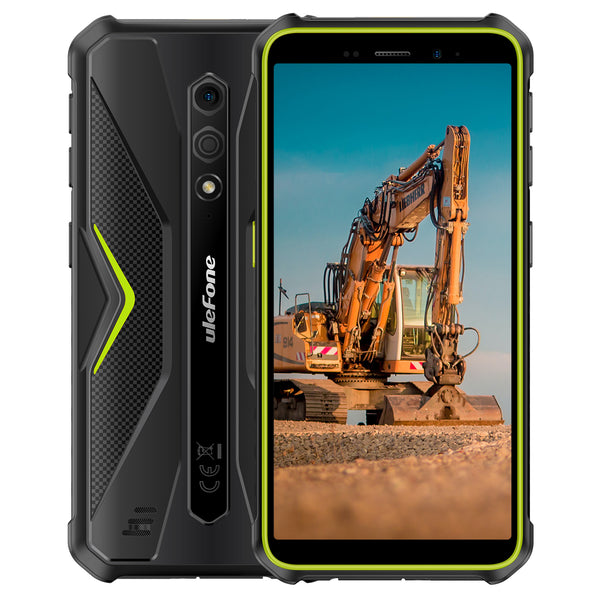
If you'd rather have less weight and faster top-ups, the Armor 28 Pro is the alternative: 10,600mAh with 120W wired and 50W wireless charging. For people who'd rather not carry a 763g phone all day, that's often the smarter buy.
How to Choose
- **Mixed heavy use, remote sites, unreliable power →** Armor 34.
- **Walking between sites, 5G matters, lighter carry →** Armor 28 Pro.
- **Desk job with outlets everywhere →** Any flagship is fine; you don't need this category.
Frequently Asked Questions
**Is a bigger mAh number always better?** Past a point, yes. Below ~8,000mAh, chipset efficiency and screen matter. Above 10,000mAh, capacity dominates.
**Does fast charging damage the battery?** Modern staged charging protects battery health; extreme heat is the real wear factor, whatever the wattage.
**What is the biggest battery phone available?** The Ulefone Armor 34 at 25,500mAh is the largest in a mainstream rugged phone, followed by DOOGEE's 22,000mAh V Max S.
Final Verdict
The flagship table above tells the story: even the best batteries in mainstream phones last one workday. If your work or travel lives outside the grid, the Ulefone Armor 34 is the biggest battery phone you can buy — and the one that turns "finding an outlet" from a daily stress into a non-event.



Laisser un commentaire
Tous les commentaires sont modérés avant d'être publiés.
Ce site est protégé par hCaptcha, et la Politique de confidentialité et les Conditions de service de hCaptcha s’appliquent.