






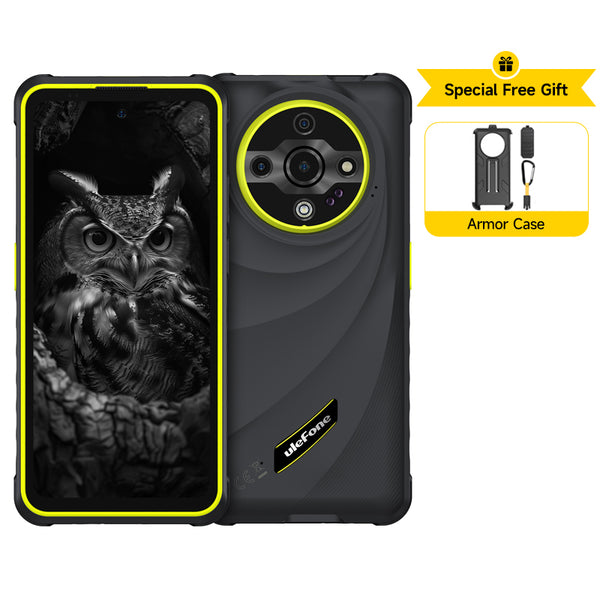
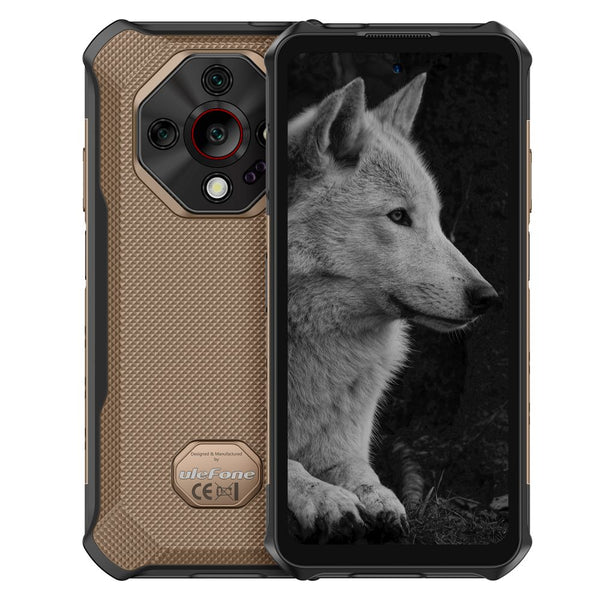
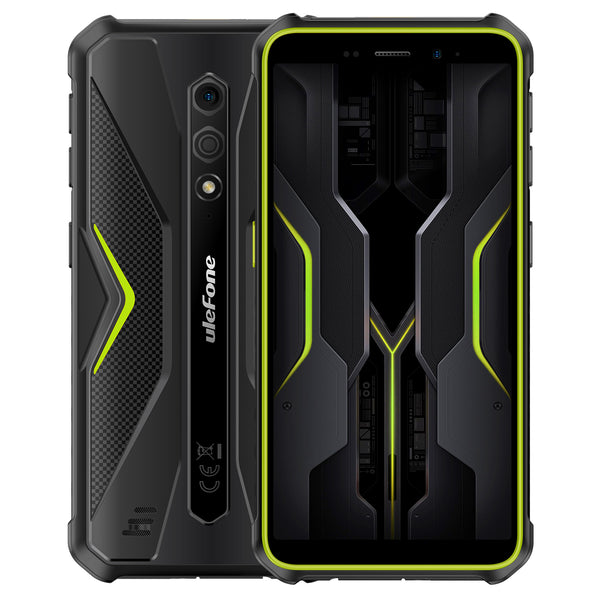
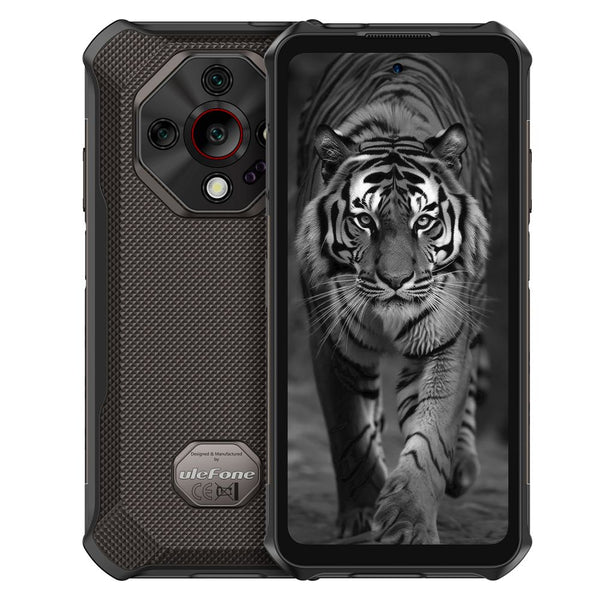










If you're shopping for a rugged phone in the last few years, you've probably noticed the same thing I have: the tougher they get, the bigger they get. Most rugged mobile phones on the market right now are built like bricks, and there's a reason for that. A big battery needs space. Layers of shock-absorbing material need space. Manufacturers keep adding more of both, and the result is a phone that could double as a doorstop. That trade-off is fine if you live in a truck, but it falls apart the moment you actually have to carry the thing all day.
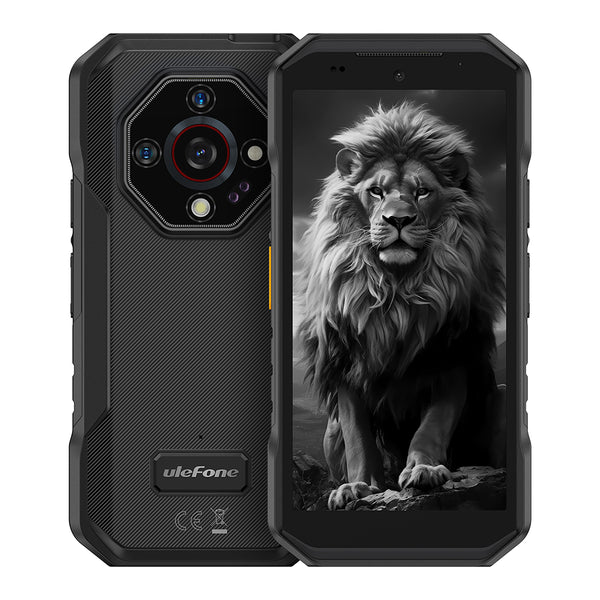
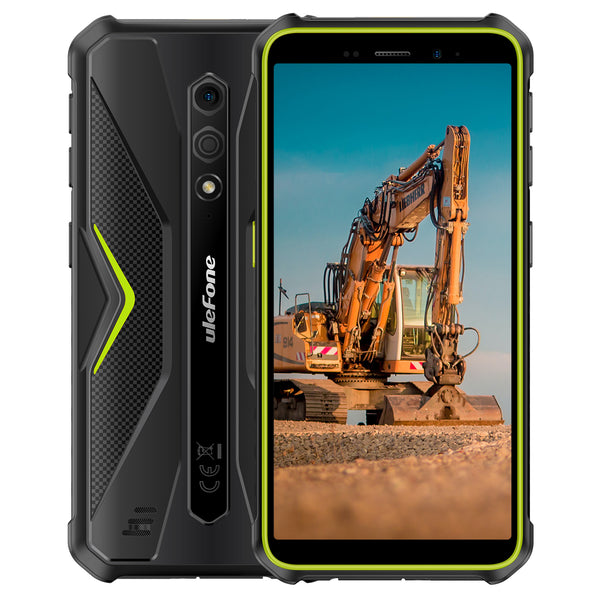
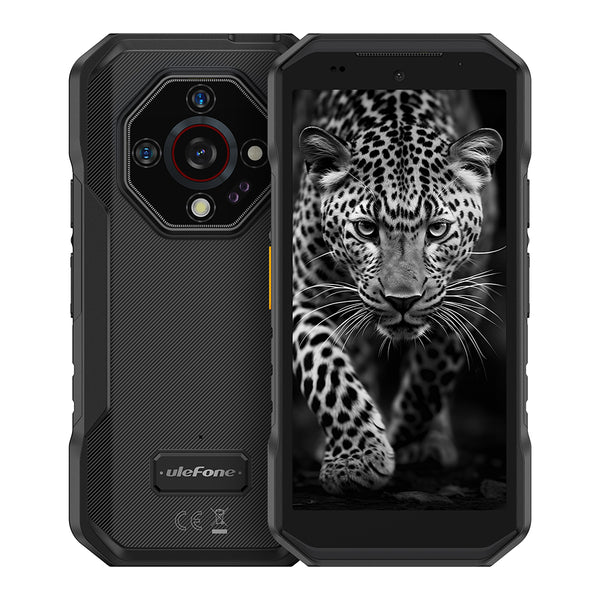
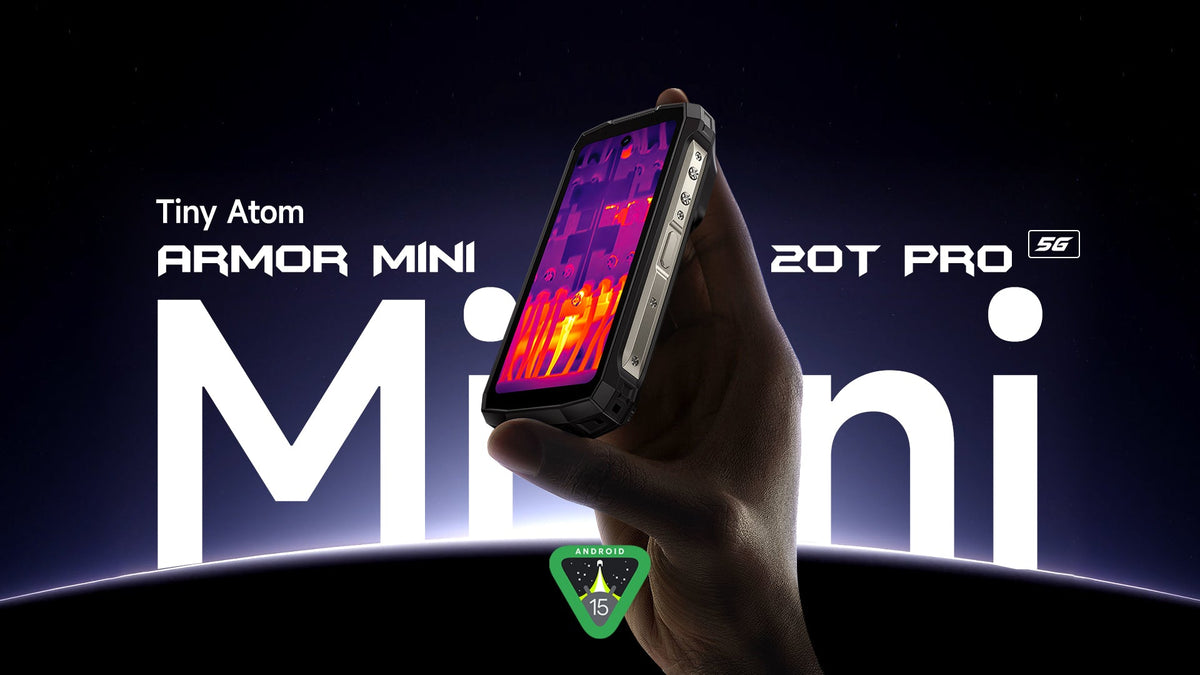
The Armor Mini 20T Pro from Ulefone goes the other way. It's a 4.7-inch rugged phone that weighs 301 grams, keeps the full IP68/IP69K and MIL-STD-810H rating, and still squeezes in a 50MP main camera with a 1/1.31-inch sensor, a FLIR thermal module, and a 500-lumen LED array. If you're deciding between a rugged android phone that lives in a chest pocket and one that lives in the truck, this is the first compact model where you don't have to give up the toolbox to save the pocket space.
Why Most Rugged Mobile Phones Are Built Like Bricks
Open any comparison roundup of rugged mobile phones and you'll see the same pattern: 6.5-inch screens, 350 to 700 grams of weight, and batteries that go up past 20,000mAh. Those numbers are impressive on a spec sheet, and they genuinely help people who work in places without a power outlet for days at a time.
But they come with real costs. A 600-gram phone is heavy in a chest pocket, uncomfortable in a belt holster, and honestly annoying to use one-handed on a ladder or a forklift. It's also harder to keep in a small work bag. For a lot of field workers — inspectors, technicians, delivery drivers, trail guides — the "bigger is tougher" logic breaks down at around the 300-gram mark. That's where a phone stops being a tool and starts being cargo.
The Most Durable Phone Isn't Automatically the Biggest
Ask ten people for the most durable phone and half of them will point at the heaviest model in the store. But durability and mass are different things. The most durable phone for you is the one that's actually with you when you need it — and a 301-gram phone that lives in your pocket all day protects you better than a 600-gram phone that stays in the truck because it's too much hassle to carry.
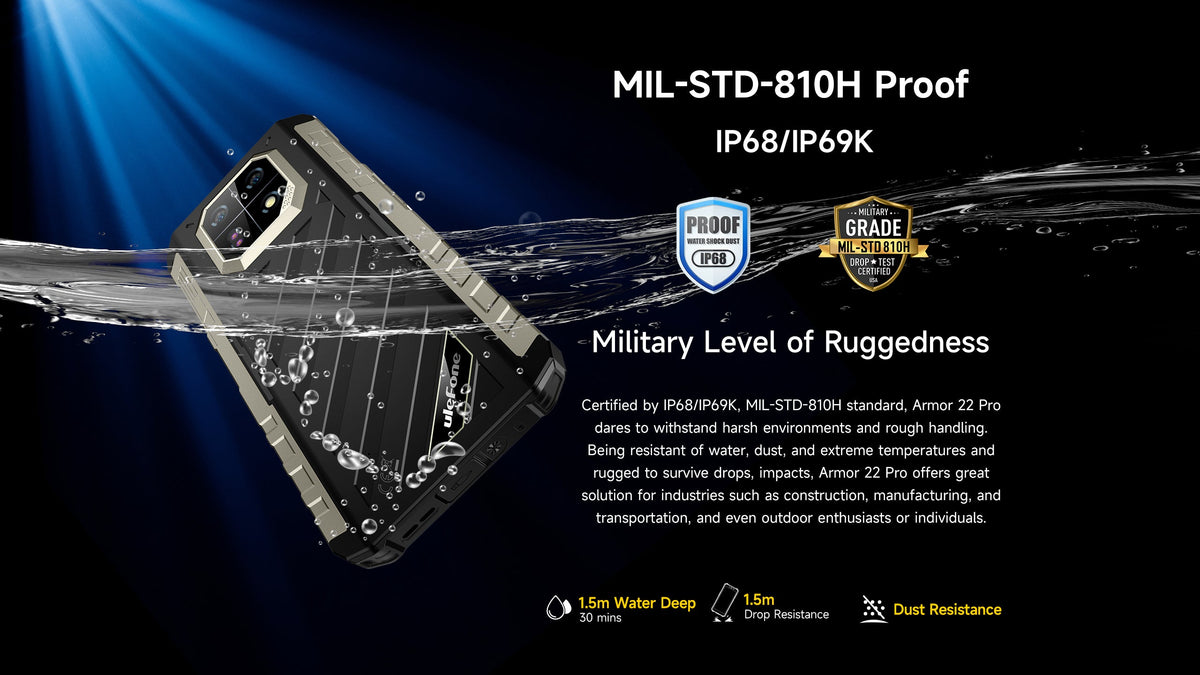
That's the argument this compact design makes. Same IP68/IP69K and MIL-STD-810H protection as the big brothers, a large-sensor camera that keeps up with much larger phones, and a battery that's sized for the 4.7-inch screen and entirely reasonable in daily use. The 6200mAh cell is rated for up to 336 hours of standby and 34 hours of talk time, and 33W charging tops it up quickly when you're near an outlet.
Rugged Android Phone vs a Flagship With a Case
The usual alternative to a rugged android phone is a regular flagship wrapped in a heavy protective case. It works, up to a point, but the case approach comes with its own compromises. A beefy case adds most of the bulk and weight you were trying to avoid, the camera module stays exposed, and you still don't get the things a dedicated build brings along: a physical gloves mode for winter work, an IR blaster, dual 5G SIM slots, a 500-lumen light, or a thermal camera.
A rugged phone is that protection integrated at the factory instead of bolted on later. Nothing to add, nothing to catch on a tool belt, and no extra layer to take off when you need the charging port. For the pocket-first field worker, the integrated build is usually the cleaner answer.
Ultra Rugged Smartphone: Brick vs Compact
When people talk about an ultra rugged smartphone, they usually mean one of two designs: the full-size brick with a 20,000mAh-plus battery, or the compact build that keeps the ratings and the tools but trims the weight. Both are legitimately durable — the choice is about which failure mode you're optimizing for.
If your work keeps you away from power for days, the brick's giant battery wins. If your work keeps you moving between ladders, scaffolding, and customers, the compact build wins, because a phone that's actually in your pocket is a phone that's actually protecting you. The Armor Mini 20T Pro sits firmly in the second camp: same protection class, roughly half the weight of the big battery bricks, and the tools still on board.
Ultra Rugged Smartphone Comparison at a Similar Price
To see how it stacks up, here's the Mini 20T Pro against two rugged competitors currently sold at official stores in a similar price band:
|
Model |
Price |
Screen |
Battery |
Weight |
Main camera |
Protection |
|
Ulefone Armor Mini 20T Pro |
$469.99 |
4.7" 90Hz |
6200mAh |
301g |
50MP (1/1.31") |
IP68/IP69K, MIL-STD-810H |
|
OUKITEL WP300 5G |
$419.99 |
6.58" |
16000mAh |
510g |
108MP |
IP68/IP69K |
|
DOOGEE V40 Pro |
$664.00 |
6.78" |
8680mAh |
382g |
200MP |
IP68/IP69K |
The WP300 5G gives you a bigger battery and a larger screen for $50 less, but it weighs 510 grams and you don't get the thermal camera or the 500-lumen light. The V40 Pro has the highest-res main camera of the three, but it's $194 more expensive and heavier than the Mini 20T Pro. If you want to go lighter still, a Samsung Galaxy XCover-class phone shaves off a few more grams, but it gives up the thermal camera and the work light that make the Mini 20T Pro a full toolbox. If your priorities are portability plus a full toolset, the Mini 20T Pro is the only one in this group that fits the bill without compromise.

The Armor Mini 20T Pro: A Compact Rugged Phone With a Real Toolbox
The specs, straight from the official product page:
|
Component |
Armor Mini 20T Pro |
|
Display |
4.7-inch HD+ (720x1600), 90Hz, 700 nits, Gorilla Glass Victus |
|
Chipset |
MediaTek Dimensity 6300 5G, 6nm octa-core |
|
Memory |
8GB RAM + 8GB virtual, 256GB storage |
|
Main camera |
50MP Samsung GN1, 1/1.31-inch sensor, f/1.95 |
|
Front camera |
32MP |
|
Thermal camera |
FLIR Lepton 3.5 module |
|
Battery |
6200mAh, 33W wired charging |
|
LED |
130 LEDs, 500 lumens |
|
Weight |
301 grams (133.5 x 63.3 x 24.9mm) |
|
Protection |
IP68/IP69K, MIL-STD-810H, Gorilla Glass Victus |
|
OS |
Android 15 |
|
Extras |
Dual 5G SIM, NFC, IR blaster, gloves mode, underwater camera mode |
The headline feature is the camera. A 50MP Samsung GN1 sensor with a 1/1.31-inch format is the kind of hardware you normally find in Ulefone's much larger models, and it shows in daylight shots — crisp detail, natural colors, and a f/1.95 aperture that helps in dim conditions. There's a 32MP front camera for video calls on site.
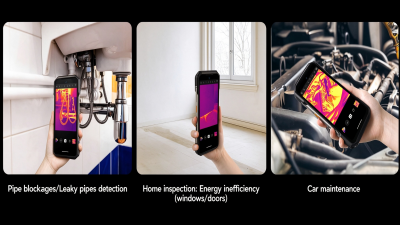
Then there's the FLIR thermal module. FLIR Lepton 3.5 is the same sensor family used in dedicated thermal tools, and Ulefone's app gives you temperature readouts, adjustable MSX blending, and isotherm overlays. If your work involves checking breakers, motors, pipes, or anything else that gives off heat, this is the kind of thing that turns a phone into an inspection tool.
The 500-lumen LED array is the other underrated feature. It's a 130-LED panel on the back that works as a work light or an emergency signal light. For anyone who's ever tried to read a label in a dark crawlspace or flag down help at night, it's the feature you didn't know you needed.
One honest note on fit: don't buy the Mini 20T Pro if you need a 20,000mAh-class battery for days with no outlet, if your days are mostly long-screen media, or if you're chasing a 1-inch-class main sensor. Those are different tools for different jobs — this one is built for the pocket-first field worker.

Quick FAQ
Here are the questions that come up most with this compact rugged phone:
**Does a compact rugged phone give up any protection?**
No — the Mini 20T Pro carries the same IP68/IP69K and MIL-STD-810H ratings as Ulefone's full-size models, with Gorilla Glass Victus up front. Smaller body, same rating.
**Is a 6200mAh battery enough for field work?**
For the 4.7-inch screen, it's sized to carry a normal working day. It's rated for up to 336 hours of standby and 34 hours of talk time, and 33W wired charging tops it up whenever you're near power.
**Does it work with two SIM cards?**
Yes — dual 5G SIM slots, plus NFC, an IR blaster, and a gloves mode that works with work gloves on.
The Bottom Line
The Armor Mini 20T Pro is the most convincing compact rugged phone I've seen in this price band. It keeps the protection ratings people actually care about, adds a proper large-sensor camera and FLIR thermal imaging, and does it all in a 301-gram body that disappears into a pocket. If you're shopping for your first rugged android phone and keep going back and forth between portability and protection, this one closes the gap. For the right buyer, it's the best of both worlds: rugged phone durability without the brick weight.


Commenta
Nota che i commenti devono essere approvati prima di essere pubblicati.
Questo sito è protetto da hCaptcha e applica le Norme sulla privacy e i Termini di servizio di hCaptcha.